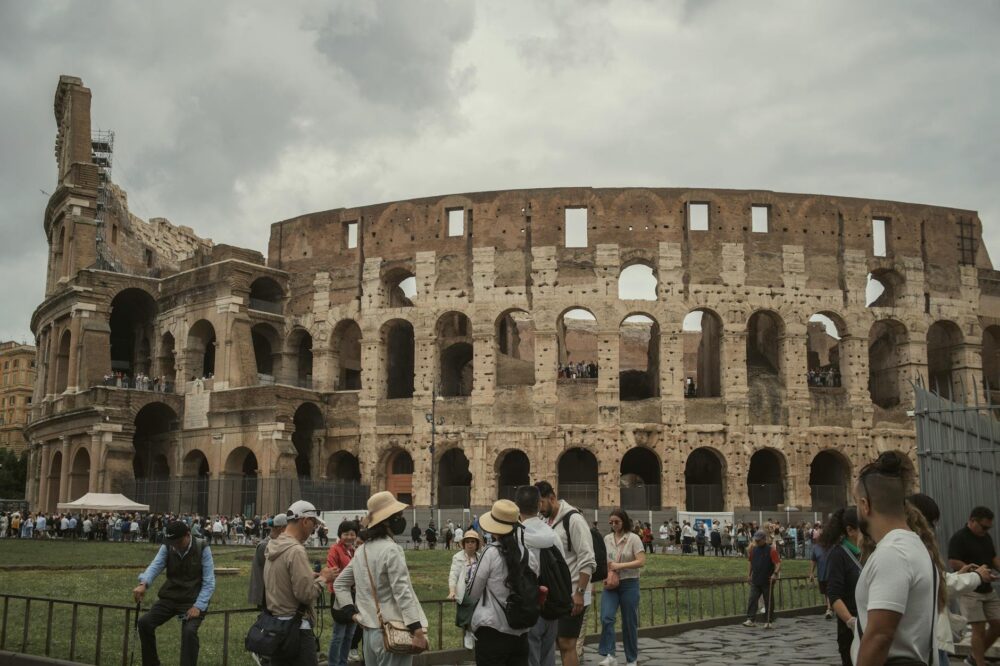
Planning a trip to Rome involves balancing two key factors: enjoying the city’s iconic sights in comfortable weather and avoiding the overwhelming crowds that can detract from the experience. Many travelers ask, “What is the best time of year to visit Rome for good weather and fewer crowds?” The answer isn’t a single month but rather a sweet spot that varies by season, offering unique advantages. In this comprehensive guide, we’ll break down Rome’s climate, tourist patterns, and seasonal highlights to help you choose the optimal time for your visit. Whether you’re drawn to ancient ruins, vibrant festivals, or leisurely strolls through cobblestone streets, understanding Rome’s rhythms will ensure a more enjoyable and memorable journey.
Table des matières:
Understanding Rome’s Climate and Tourist Seasons
Rome enjoys a Mediterranean climate, characterized by hot, dry summers and mild, wet winters. This weather pattern significantly influences tourist flows, with peak seasons aligning with school holidays and favorable temperatures. To determine the best time to visit Rome for good weather and fewer crowds, it’s essential to analyze both meteorological data and visitor statistics. Generally, the city experiences its highest tourist numbers from June to August, when summer vacations are in full swing, while the shoulder seasons of spring and autumn offer a more balanced mix of pleasant conditions and reduced congestion. By examining these patterns, you can tailor your trip to match your preferences for climate and crowd levels.
Spring in Rome: A Time of Renewal and Moderate Crowds
Spring, spanning from March to May, is often hailed as one of the best times to visit Rome for good weather and fewer crowds compared to the summer peak. During this season, temperatures gradually rise from cool to warm, with averages ranging from 10°C (50°F) in March to 20°C (68°F) in May. Rainfall is moderate, typically decreasing as the season progresses, making it ideal for outdoor exploration without the intense heat of summer. Crowds begin to build in late spring, especially around Easter, but early spring offers a quieter experience with blooming flowers adding charm to the city’s parks and gardens. Key events like Easter celebrations and Rome’s birthday in April provide cultural richness without the overwhelming tourist numbers of high season.
- Weather: Mild temperatures, increasing sunshine, and occasional showers.
- Crowds: Lower in early spring, growing by May but still manageable.
- Highlights: Easter festivities, spring blooms at Villa Borghese, and comfortable sightseeing.
Summer in Rome: Peak Heat and Tourist Influx
Summer, from June to August, is the peak tourist season in Rome, attracting millions of visitors drawn by long days and school holidays. However, it’s not necessarily the best time to visit Rome for good weather and fewer crowds, as temperatures often soar above 30°C (86°F), with July and August being particularly hot and humid. Crowds are at their highest, leading to long lines at major attractions like the Colosseum and Vatican Museums, and higher accommodation prices. If you visit during summer, plan for early morning or late evening activities to avoid the midday heat and peak crowds. Despite the challenges, summer offers vibrant nightlife and events like the Estate Romana festival, which can enhance your experience if you’re prepared for the conditions.
- Weather: Hot, dry, and sunny, with occasional heatwaves.
- Crowds: Very high, especially in July and August.
- Highlights: Long daylight hours, outdoor festivals, and lively atmosphere.
Autumn in Rome: Ideal Weather and Declining Crowds
Autumn, from September to November, is widely considered the best time to visit Rome for good weather and fewer crowds. Temperatures are pleasantly warm in early autumn, cooling to mild levels by November, with averages from 25°C (77°F) in September to 15°C (59°F) in November. Rainfall increases slightly, but sunny days are common, perfect for exploring without summer’s intensity. Crowds diminish significantly after the summer rush, with September still busy due to lingering tourists but October and November offering a more relaxed pace. This season also features cultural events like the Rome Film Festival and harvest-related activities, providing a rich backdrop for your visit. For those seeking a balance of comfort and accessibility, autumn stands out as a top choice.
- Weather: Warm to mild temperatures, decreasing heat, and moderate rain.
- Crowds: Decreasing from September onward, with November being particularly quiet.
- Highlights: Harvest festivals, autumn foliage, and comfortable sightseeing conditions.
Winter in Rome: Mild Weather and Minimal Crowds
Winter, from December to February, offers the fewest crowds in Rome, making it an attractive option for travelers who prioritize solitude over beach weather. Temperatures are mild compared to northern Europe, with averages around 10°C (50°F), though it can dip lower at night. Rainfall is more frequent, but snow is rare, and sunny days still occur. While not the best time to visit Rome for good weather in terms of warmth, it excels for fewer crowds, with short lines at attractions and lower prices on flights and hotels. Holiday seasons like Christmas and New Year’s bring temporary spikes in visitors, but January and February are notably quiet. Winter also offers unique experiences, such as festive markets and indoor cultural sites, ideal for a cozy getaway.
- Weather: Cool and damp, with occasional sunny spells.
- Crowds: Very low, except during holiday periods.
- Highlights: Christmas markets, affordable travel, and intimate museum visits.
Monthly Breakdown: When to Visit Rome
To pinpoint the best time to visit Rome for good weather and fewer crowds, let’s examine each month in detail. This granular approach helps you align your trip with specific weather patterns and crowd levels, ensuring a tailored experience. Keep in mind that personal preferences, such as tolerance for heat or interest in seasonal events, will influence your decision. Use this breakdown as a guide to plan around your priorities, whether that’s soaking up the sun in a piazza or enjoying art without the hustle.
March to May: Spring Awakening
March starts cool but warms up, with crowds low early in the month. April sees moderate crowds around Easter, while May offers near-perfect weather but increasing tourist numbers. Overall, late April to early May strikes a good balance for those asking what is the best time of year to visit Rome for good weather and fewer crowds.
June to August: Summer Peak
June begins hot with growing crowds, July and August are peak for both heat and visitors. If you must visit in summer, early June or late August may offer slight relief, but it’s generally not ideal for avoiding crowds.
September to November: Autumn Bliss
September is warm with lingering crowds, October cools with significantly fewer tourists, and November is quiet and mild. October often emerges as the top answer for the best time to visit Rome for good weather and fewer crowds, combining pleasant temperatures with manageable visitor numbers.
December to February: Winter Quiet
December has holiday crowds, January and February are the quietest months with cool weather. For those prioritizing fewer crowds, winter is excellent, though it may not satisfy sun-seekers.
Tips for Maximizing Your Rome Visit
Regardless of when you travel, a few strategies can enhance your experience in Rome. Book tickets in advance for popular sites to skip lines, especially during busier seasons. Consider visiting attractions early in the morning or late in the afternoon to avoid peak times. Dress in layers to adapt to changing weather, and stay hydrated during warmer months. Exploring lesser-known neighborhoods like Trastevere can offer a break from crowds while showcasing authentic Roman culture. By planning ahead, you can make the most of your trip, whether you’re visiting in the bustling summer or serene winter.
Conclusion: Finding Your Perfect Time for Rome
In summary, the best time to visit Rome for good weather and fewer crowds depends on your personal preferences and travel goals. For an optimal balance, consider the shoulder seasons of spring and autumn, with October standing out as a prime month due to its mild temperatures and reduced tourist numbers. If you prioritize warm weather and don’t mind crowds, summer might suit you, while winter offers solitude at the cost of cooler conditions. By understanding Rome’s seasonal dynamics, you can plan a trip that aligns with your desires for climate and congestion. Ultimately, Rome’s timeless charm shines year-round, so choose a time that lets you experience the Eternal City at your own pace, making memories to last a lifetime.
Photo by Ömer Faruk Uyar on Pexels