Table des matières:
Introduction: Why Learn Basic Spanish or Catalan for Tourists?
Traveling to Spain or Catalonia offers rich cultural experiences, from Barcelona’s architecture to Andalusia’s flamenco. However, language barriers can limit your enjoyment and interactions. Learning basic Spanish or Catalan for tourists isn’t just about convenience—it shows respect for local culture and enhances safety. This guide explores practical, efficient methods to pick up essential phrases, helping you navigate, order food, and connect with locals. Whether you’re planning a short trip or frequent visits, these strategies will boost your confidence and make your journey more memorable.
Understanding the Languages: Spanish vs. Catalan
Before diving into learning methods, it’s crucial to know which language to focus on. Spanish (Castilian) is widely spoken across Spain, while Catalan is predominant in Catalonia, Valencia, and the Balearic Islands. For most tourists, starting with Spanish is practical due to its broader use. However, if your trip centers on Barcelona or Catalonia, learning basic Catalan can earn you goodwill. Both languages share Latin roots, so learning one can ease picking up the other. This guide covers resources for both, tailored to tourist needs.
Key Differences for Tourists
Spanish and Catalan have distinct pronunciations and vocabularies. For example, “hello” is “hola” in Spanish and “hola” or “bon dia” in Catalan. Focus on common tourist phrases to avoid confusion. In tourist-heavy areas, English is often spoken, but locals appreciate efforts in their native tongue. Prioritize learning based on your destination: Spanish for general travel, Catalan for Catalonia-specific visits.
Effective Methods to Learn Basic Spanish or Catalan for Tourists
Learning a language as a tourist doesn’t require fluency—aim for functional communication. Here are the best ways to learn basic Spanish or Catalan for tourists, combining technology, practice, and immersion.
1. Language Learning Apps and Online Courses
Digital tools offer flexible, interactive ways to learn. Apps like Duolingo, Babbel, and Memrise provide structured lessons in Spanish and Catalan. They’re ideal for beginners, with gamified exercises that make learning fun. For tourists, focus on travel-specific modules covering greetings, directions, and dining. Online platforms like Coursera or Udemy offer short courses tailored to travelers. Dedicate 10-15 minutes daily before your trip to build a foundation.
- Duolingo: Free app with Spanish and Catalan courses; great for vocabulary building.
- Babbel: Paid app with conversational focus; includes travel dialogues.
- Memrise: Uses video clips of native speakers; helpful for pronunciation.
2. Phrasebooks and Flashcards
Traditional resources remain valuable for on-the-go learning. Carry a pocket phrasebook or use digital versions like Google Translate’s offline feature. Create flashcards for essential phrases—write the English on one side and Spanish/Catalan on the other. Review them during downtime, like flights or waits. This method reinforces memory through repetition, crucial for quick recall in real situations.
3. Audio Lessons and Podcasts
Listening improves comprehension and accent. Use audio resources like Pimsleur or Coffee Break Spanish for structured lessons. Podcasts such as “Notes in Spanish” or “Catalan for Beginners” offer casual listening. Play them during commutes or while packing. This immerses you in the language’s rhythm, making it easier to understand spoken words abroad.
4. Language Exchange and Tutoring
Practice speaking with natives through platforms like iTalki or Tandem. Schedule short sessions with tutors focusing on tourist scenarios. Language exchanges allow you to teach English in return for Spanish/Catalan practice. This builds confidence and provides cultural tips. Even a few sessions can significantly improve your conversational skills.
5. Immersion Before and During Travel
Immerse yourself in the language before departure. Watch Spanish or Catalan movies with subtitles, listen to local music, or follow social media accounts from your destination. During your trip, engage actively: order in the local language, ask for directions, and chat with shopkeepers. Mistakes are part of learning—locals often appreciate the effort and may help correct you.
Essential Phrases for Tourists in Spanish and Catalan
Mastering key phrases is the core of learning basic Spanish or Catalan for tourists. Here’s a quick list to get started. Practice pronunciation using app audio or online guides.
Basic Greetings and Polite Expressions
- Spanish: Hola (Hello), Gracias (Thank you), Por favor (Please), Lo siento (Sorry)
- Catalan: Hola/Bon dia (Hello/Good day), Gràcies (Thank you), Si us plau (Please), Ho sento (Sorry)
Common Questions for Navigation
- Spanish: ¿Dónde está…? (Where is…?), ¿Cuánto cuesta? (How much does it cost?), ¿Habla inglés? (Do you speak English?)
- Catalan: On és…? (Where is…?), Quant costa? (How much does it cost?), Parla anglès? (Do you speak English?)
Dining and Shopping Phrases
- Spanish: La cuenta, por favor (The bill, please), Quisiera… (I would like…), ¿Tiene…? (Do you have…?)
- Catalan: El compte, si us plau (The bill, please), Voldria… (I would like…), Teniu…? (Do you have…?)
Tips for Successful Language Learning as a Tourist
To maximize your efforts, adopt a strategic approach. Start learning at least a month before your trip to build retention. Focus on practical vocabulary over grammar rules—tourists need communication, not perfection. Use a mix of methods; for example, combine app lessons with audio practice. During travel, carry a cheat sheet and don’t shy away from speaking. Technology aids like translation apps can supplement your skills. Remember, the goal is to enhance your experience, not achieve fluency.
Avoid Common Pitfalls
Tourists often overcomplicate learning. Avoid cramming too much at once—prioritize phrases you’ll use daily. Don’t worry about accents; clarity matters more. Be mindful of regional variations; for instance, Catalan in Valencia differs slightly from Barcelona. Stay patient and consistent; even small progress makes a difference.
Conclusion: Embrace the Journey of Learning Basic Spanish or Catalan for Tourists
Learning basic Spanish or Catalan for tourists is an investment in your travel experience. It opens doors to deeper cultural connections, smoother logistics, and memorable interactions. By using apps, practicing phrases, and immersing yourself, you can quickly gain functional skills. Start early, focus on essentials, and enjoy the process. Whether you’re exploring Madrid’s museums or Costa Brava’s beaches, a little language goes a long way. ¡Buena suerte! (Good luck!) or Bona sort! in Catalan—your adventure awaits with newfound confidence.
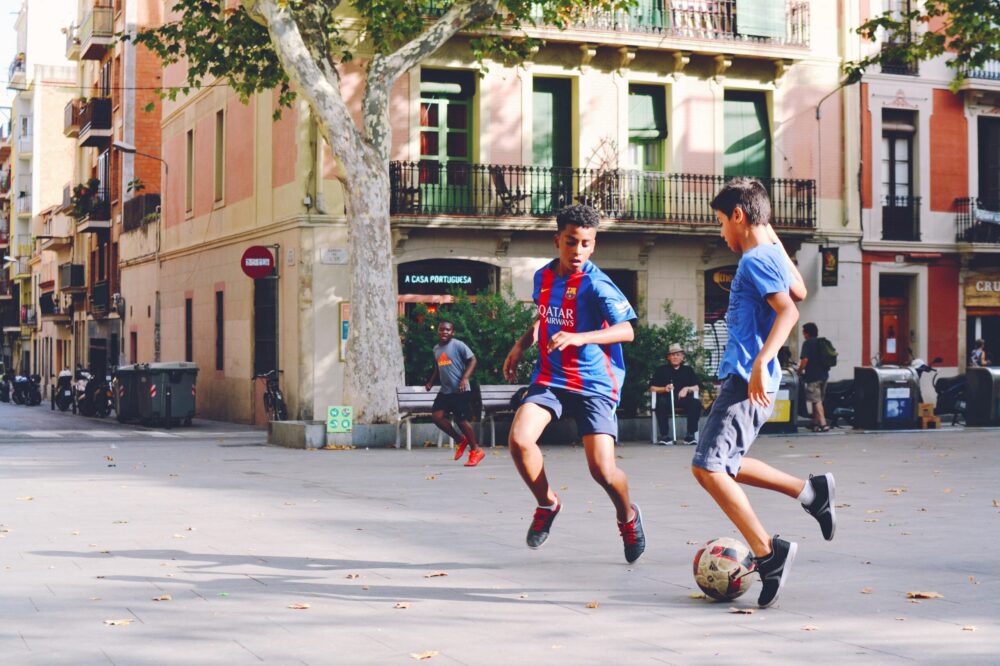
Photo by Lucas Gallone on Unsplash