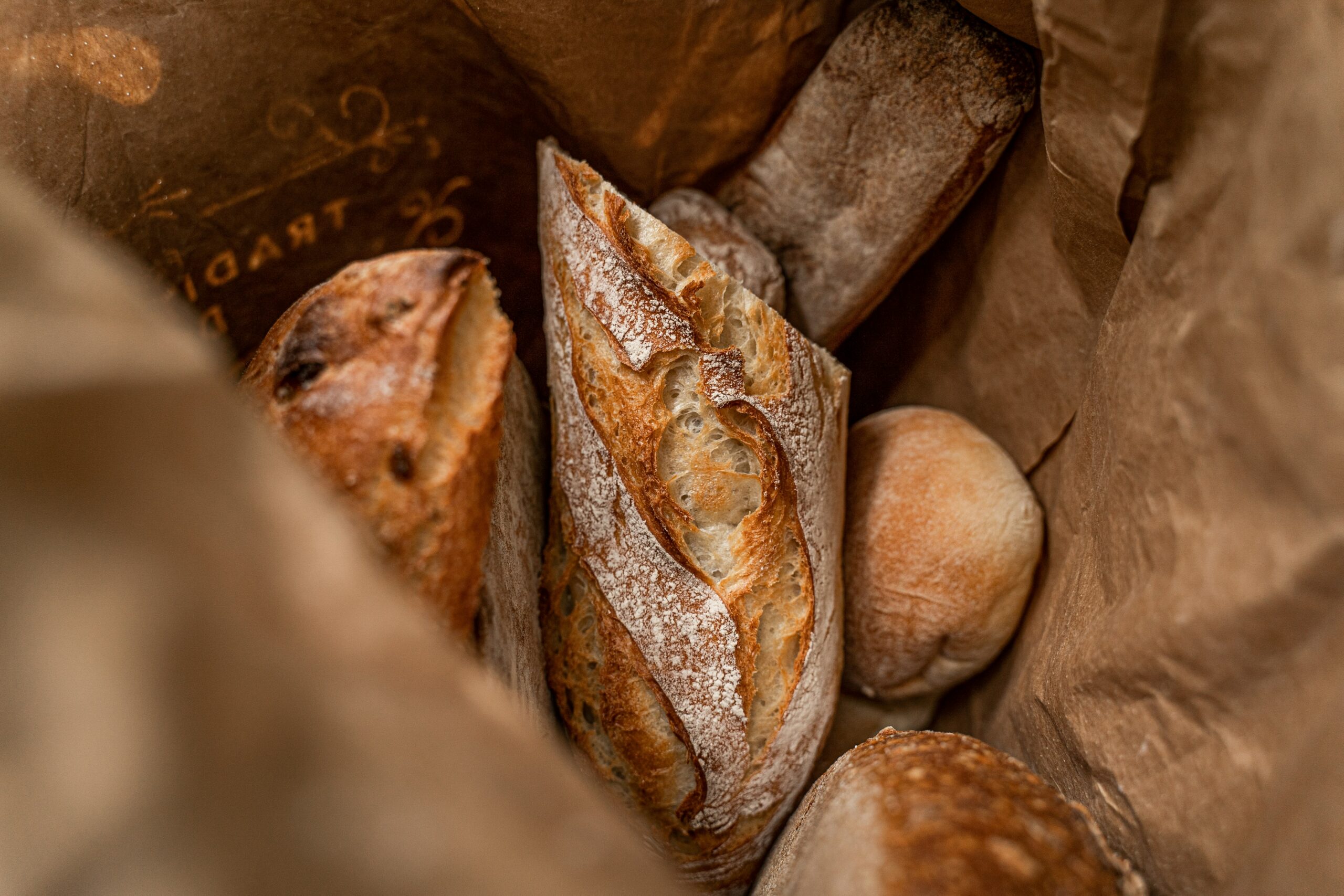
Traveling to France with dietary restrictions like celiac disease or gluten sensitivity can feel daunting, but with proper planning, it’s entirely manageable. As we look ahead to 2026, the landscape for gluten-free dining in France is evolving rapidly, offering more options and better awareness than ever before. This guide will walk you through everything you need to know about how to find gluten-free food options in France in 2026, from understanding local regulations to leveraging technology and cultural insights. Whether you’re planning a short trip or an extended stay, these strategies will help you navigate French cuisine safely and enjoyably.
Table des matières:
Understanding Gluten-Free Awareness in France
France has historically been known for its bread, pastries, and wheat-based dishes, but awareness of gluten-related disorders has grown significantly in recent years. By 2026, this trend is expected to continue, driven by increased diagnosis rates, consumer demand, and EU-wide labeling standards. While traditional French cuisine remains central, many restaurants, bakeries, and supermarkets now cater to gluten-free needs. It’s important to note that cultural attitudes may vary—urban areas like Paris, Lyon, and Marseille are generally more accommodating than rural regions. However, with the right approach, finding gluten-free food options in France in 2026 will be feasible across the country.
Key Strategies for Finding Gluten-Free Food in France
Successfully locating gluten-free meals in France requires a combination of preparation, communication, and resourcefulness. Here are the core strategies to employ in 2026.
1. Master French Labeling and Regulations
France follows European Union regulations for food labeling, which mandate clear allergen declarations, including gluten. By 2026, these rules are likely to be even more stringent, making it easier to identify safe products. Look for labels such as:
- Sans gluten: The French term for “gluten-free.”
- Épi de blé barré: The crossed-grain symbol, an international gluten-free certification.
- Allergen lists: Ingredients containing gluten (e.g., blé, orge, seigle) must be highlighted on packaging.
When shopping, prioritize certified gluten-free products from trusted brands, as cross-contamination risks can still exist in less-regulated items.
2. Use Technology and Apps
In 2026, digital tools will be indispensable for gluten-free travelers. Apps and websites can help you locate restaurants, read reviews, and even translate menus. Recommended resources include:
- Find Me Gluten Free: A global app with user-generated reviews of gluten-friendly establishments.
- Google Maps: Search for “sans gluten” or “gluten-free” in your area, and filter by ratings.
- Local French apps: Look for emerging platforms specific to France’s dietary needs scene.
These tools not only save time but also provide real-time updates on new openings and menu changes, crucial for finding gluten-free food options in France in 2026.
3. Communicate Effectively in French
While many French people speak English, especially in tourist areas, knowing key phrases can prevent misunderstandings. Practice saying:
- “Je suis allergique au gluten” (I am allergic to gluten).
- “Est-ce que ce plat est sans gluten?” (Is this dish gluten-free?).
- “Y a-t-il un risque de contamination croisée?” (Is there a risk of cross-contamination?).
Carry a gluten-free dining card in French, which explains your dietary needs in detail. This proactive approach shows respect for local culture and ensures safer dining experiences.
Where to Find Gluten-Free Food in France in 2026
From supermarkets to specialty shops, various venues will offer gluten-free options in 2026. Here’s where to focus your search.
Supermarkets and Grocery Stores
Major French supermarket chains like Carrefour, Monoprix, and Leclerc have expanded their gluten-free sections in recent years. By 2026, expect even more variety, including:
- Gluten-free bread, pasta, and baked goods.
- Pre-packaged meals labeled “sans gluten.”
- Fresh produce and naturally gluten-free items like cheese, meat, and vegetables.
Always check labels, and consider visiting larger stores in cities for the best selection.
Restaurants and Cafés
Dining out in France can be a highlight of your trip, and many restaurants now accommodate gluten-free diets. To find suitable options:
- Seek out establishments with explicit gluten-free menus or certifications.
- Opt for cuisines that naturally use less gluten, such as seafood restaurants or steak houses.
- Visit trendy neighborhoods in cities, where health-conscious eateries are more common.
In 2026, vegan and health-focused restaurants may also offer gluten-free choices, so keep an open mind when exploring.
Specialty Gluten-Free Bakeries and Shops
For those craving traditional French pastries without gluten, specialty bakeries are a must-visit. Cities like Paris and Bordeaux already have dedicated gluten-free boulangeries, and this trend is set to grow by 2026. Look for:
- Artisanal gluten-free croissants, baguettes, and tarts.
- Local recommendations from gluten-free communities online.
- Pop-up markets or food festivals featuring gluten-free vendors.
These spots not only provide safe food but also showcase the innovation in France’s gluten-free scene.
Cultural Tips for Gluten-Free Dining in France
Understanding French dining etiquette can enhance your experience when finding gluten-free food options in France in 2026. Keep these points in mind:
- Meal times: French meals are often leisurely; plan ahead to avoid hunger-induced compromises.
- Bread culture: Bread is typically served with meals. Politely decline if it’s not gluten-free, and explain your dietary needs.
- Local specialties: Research gluten-free versions of dishes like crêpes (made with buckwheat) or ratatouille (naturally gluten-free).
By respecting local customs while advocating for your needs, you’ll enjoy a more authentic and stress-free trip.
Planning Ahead for Your Trip in 2026
Preparation is key to a successful gluten-free journey in France. Before you go:
- Research gluten-free-friendly accommodations, such as hotels with kitchenettes or breakfast options.
- Pack emergency snacks like gluten-free bars or crackers for times when options are limited.
- Connect with online forums or social media groups for up-to-date advice from fellow travelers.
As 2026 approaches, stay informed about any changes in French food regulations or new gluten-free products entering the market.
Conclusion
Finding gluten-free food options in France in 2026 will be more accessible than ever, thanks to growing awareness, improved labeling, and technological aids. By mastering local phrases, using apps, and knowing where to shop and dine, you can savor French cuisine without compromising your health. Remember to plan ahead, communicate clearly, and embrace the cultural experience. With these strategies, your trip to France can be both delicious and safe, allowing you to focus on creating lasting memories. Bon appétit!
Photo by Bas Peperzak on Unsplash