France, a country renowned for its rich cultural heritage and breathtaking landscapes, boasts an impressive collection of UNESCO World Heritage sites. As we look ahead to 2026, travelers and culture enthusiasts are eager to discover which of these remarkable locations should top their must-visit lists. Whether you’re planning a future trip or simply dreaming of French adventures, understanding what are the top UNESCO World Heritage sites in France for 2026 can help you create an unforgettable itinerary. This guide highlights the most significant, accessible, and captivating sites that promise to deliver exceptional experiences in the coming year.
Table des matières:
Understanding UNESCO World Heritage Sites in France
France currently hosts 49 UNESCO World Heritage sites, each recognized for its outstanding universal value to humanity. These sites span various categories, including cultural, natural, and mixed properties, showcasing everything from medieval architecture and Renaissance palaces to prehistoric caves and stunning natural landscapes. The selection criteria emphasize sites that represent human creative genius, bear unique testimony to cultural traditions, or contain exceptional natural beauty.
When considering what are the top UNESCO World Heritage sites in France for 2026, several factors come into play. Accessibility, ongoing preservation efforts, visitor experience enhancements, and special events planned for 2026 all contribute to making certain sites particularly compelling choices for travelers. The following sections highlight sites that combine historical significance with practical visitor appeal.
Iconic Cultural Sites for 2026
These world-famous locations represent the pinnacle of French cultural heritage and continue to evolve their visitor offerings.
Paris, Banks of the Seine
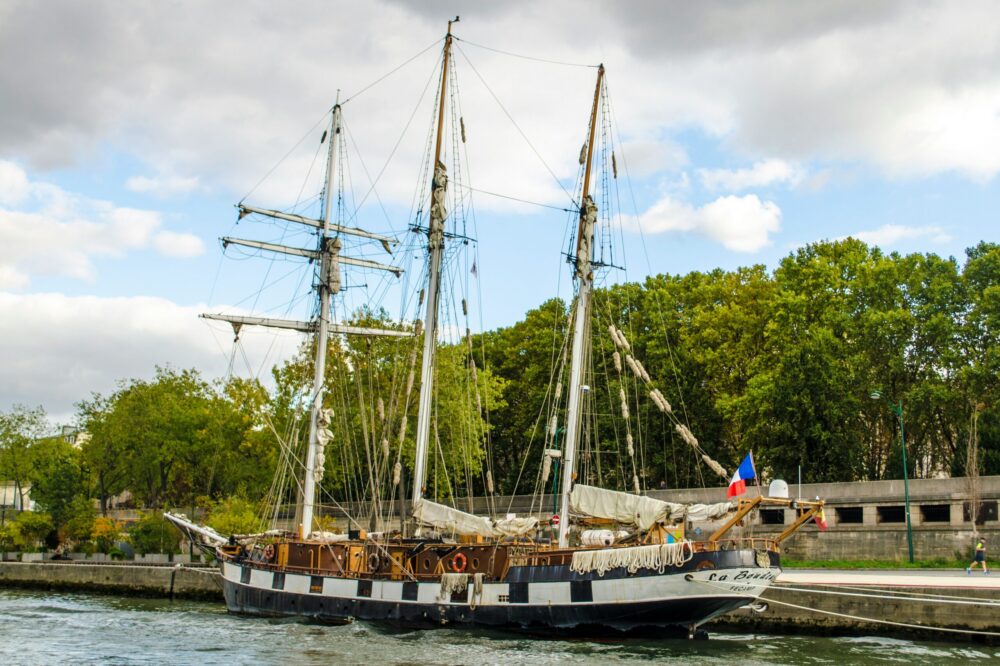
The heart of French culture and history runs along the Seine River in Paris. This UNESCO site encompasses iconic landmarks including Notre-Dame Cathedral (currently undergoing restoration with anticipated completion milestones by 2026), the Louvre Museum, and the Eiffel Tower. The riverbanks themselves offer picturesque walks and boat tours that provide unique perspectives on Parisian architecture and history.
For 2026, special attention should be given to:
- The restored Notre-Dame Cathedral reopening phases
- Enhanced riverbank accessibility projects
- New museum exhibitions timed for the 2026 season
Palace and Park of Versailles
The magnificent Palace of Versailles represents the absolute monarchy of the Ancien Régime and French artistic achievement at its peak. Beyond the famous Hall of Mirrors and royal apartments, the expansive gardens and smaller estates like the Grand Trianon offer immersive historical experiences.
Visitors in 2026 can look forward to:
- Continued restoration of lesser-known palace sections
- Seasonal garden events and fountain shows
- Digital enhancement of visitor experiences
Architectural Marvels Beyond Paris
France’s regional diversity shines through in these extraordinary architectural sites.
Mont-Saint-Michel and its Bay
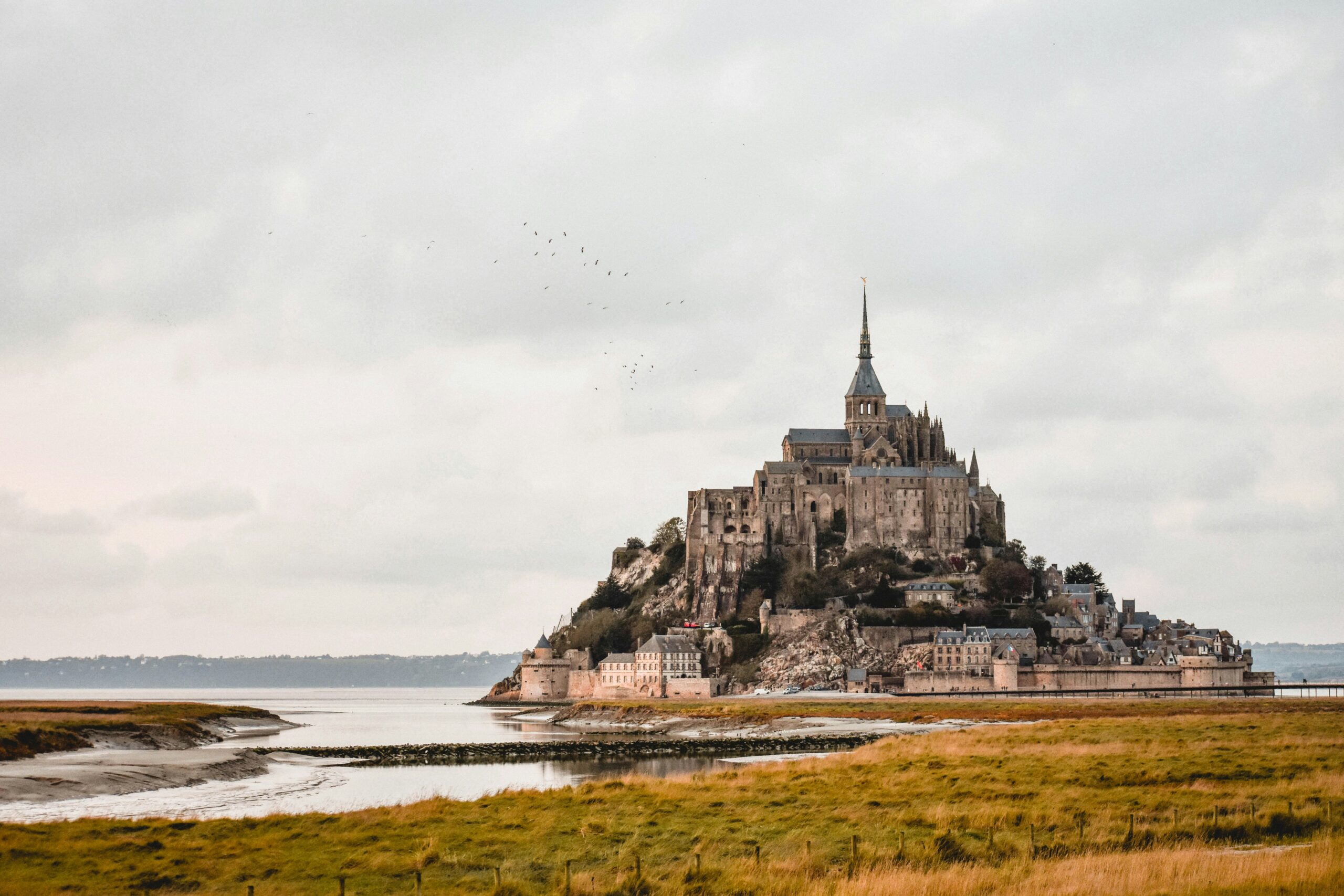
This breathtaking island commune in Normandy features a medieval abbey perched dramatically on a rocky island. The surrounding bay experiences Europe’s highest tidal variations, creating a constantly changing landscape that has inspired visitors for centuries.
Key considerations for 2026 visits include:
- Improved sustainable tourism infrastructure
- Enhanced accessibility during tidal variations
- Special medieval history exhibitions
Historic Centre of Avignon
The Papal Palace and surrounding medieval architecture in Avignon represent the 14th-century seat of Western Christianity. This Provençal city combines monumental religious architecture with charming old town streets.
For 2026, visitors should note:
- The annual Avignon Festival celebrating performing arts
- Ongoing preservation of frescoes and medieval structures
- New guided tour options exploring lesser-known areas
Natural and Mixed Heritage Sites
These locations showcase France’s diverse natural beauty alongside human cultural achievements.
Pyrénées – Mont Perdu
This transnational site shared with Spain features spectacular mountain landscapes with deep canyons and cirques. The site represents pastoral traditions that have shaped the landscape over millennia.
When planning 2026 visits, consider:
- Seasonal accessibility for hiking and nature observation
- Traditional pastoral festivals and cultural events
- Conservation initiatives protecting local flora and fauna
Prehistoric Sites and Decorated Caves of the Vézère Valley
Home to the famous Lascaux Cave and numerous other prehistoric sites, this area contains some of humanity’s earliest artistic expressions. While the original Lascaux Cave remains closed for preservation, exceptional replicas provide access to these ancient masterpieces.
For 2026, notable developments include:
- Enhanced virtual reality experiences at Lascaux IV
- New archaeological discoveries and interpretations
- Improved visitor facilities at multiple cave sites
Planning Your 2026 UNESCO Journey
When determining what are the top UNESCO World Heritage sites in France for 2026, practical considerations significantly impact the visitor experience.
Timing and Seasonality
France experiences distinct seasonal variations that affect different sites. Coastal locations like Mont-Saint-Michel offer different experiences based on tides and weather, while mountain sites like the Pyrénées have optimal visiting windows. Generally, spring and autumn provide pleasant weather with fewer crowds than peak summer months.
Accessibility and Infrastructure
Many French UNESCO sites have made significant improvements to accessibility in recent years. For 2026, check specific sites for:
- Public transportation connections
- Parking and shuttle services
- Accessibility features for visitors with mobility challenges
- Multilingual visitor information and guided tours
Combining Multiple Sites
France’s efficient transportation network allows visitors to combine multiple UNESCO sites in a single trip. Consider regional groupings like:
- Paris and Versailles (easily combined in one visit)
- Provence region sites including Avignon, Arles, and Pont du Gard
- Loire Valley chateaux circuit
Preservation and Sustainable Tourism
As visitor numbers continue to grow, France has implemented various measures to protect its UNESCO sites while maintaining access. When visiting in 2026, travelers can contribute to preservation efforts by:
- Respecting visitor guidelines and restricted areas
- Choosing sustainable transportation options where possible
- Supporting local conservation initiatives
- Visiting during off-peak times to reduce crowding
Many sites now offer virtual or augmented reality experiences that provide access to fragile areas without physical presence, balancing preservation with education.
Emerging Sites and Future Nominations
While not yet inscribed, several French sites are on the tentative list for future UNESCO consideration. These locations represent emerging cultural and natural treasures that serious heritage travelers might want to explore in 2026, including:
- The Maison Carrée in Nîmes, an exceptionally preserved Roman temple
- The National Estate of Chambord, representing Renaissance architecture
- Various sites along the Routes of Santiago de Compostela in France
Visiting these tentative sites offers insight into France’s ongoing cultural heritage preservation and potential future UNESCO designations.
Conclusion
Determining what are the top UNESCO World Heritage sites in France for 2026 involves balancing historical significance, visitor experience, accessibility, and preservation status. From the iconic banks of the Seine in Paris to the prehistoric wonders of the Vézère Valley, France offers an unparalleled diversity of cultural and natural heritage sites. As 2026 approaches, these locations continue to enhance their visitor offerings while maintaining the integrity that earned them UNESCO recognition.
Whether you’re drawn to architectural marvels like Mont-Saint-Michel, cultural hubs like Avignon, or natural wonders like the Pyrénées, France’s UNESCO sites promise transformative travel experiences. By planning ahead, considering seasonal factors, and respecting preservation guidelines, visitors can enjoy these treasures while contributing to their protection for future generations. As you prepare for your 2026 French adventure, let this guide to the top UNESCO World Heritage sites in France inspire your journey through one of the world’s most culturally rich destinations.