

Graduating from Université de Strasbourg opens doors to a wide range of professional opportunities, thanks to its strong reputation in research, international partnerships, and diverse academic programs. Whether you studied law, science, humanities, or health, understanding the job market and how to leverage your degree is key to a successful career. This article provides a detailed overview of employment outcomes, top hiring sectors, alumni paths, and actionable strategies to maximize your prospects.
Table des matières:
Why Strasbourg University Graduates Are in Demand
Strasbourg University is one of France’s leading research-intensive universities, consistently ranked among the top 150 globally. Its location at the crossroads of Europe, proximity to German and Swiss job markets, and strong ties with international institutions give graduates a unique edge. Employers value the university’s emphasis on interdisciplinary learning, critical thinking, and multilingualism—many programs are taught in English, French, and German.
Employment Rates and Average Salaries
According to the university’s career surveys, around 90% of graduates find employment within 18 to 24 months after graduation. The average starting salary varies by field:
| Field of Study | Employment Rate (2 years) | Average Starting Salary (€/year) |
|---|---|---|
| Engineering & Technology | 95% | 38,000 – 45,000 |
| Law, Economics & Management | 88% | 35,000 – 42,000 |
| Health & Medicine | 98% | 40,000 – 55,000 |
| Humanities & Social Sciences | 82% | 28,000 – 35,000 |
| Natural Sciences | 85% | 32,000 – 40,000 |
These figures reflect strong outcomes, especially in STEM and health fields. Humanities graduates often pursue further studies or roles in education, culture, and public administration, where salaries may start lower but offer long-term stability.
Top Sectors Hiring Strasbourg Graduates
1. European and International Institutions
Strasbourg is home to the European Parliament, the Council of Europe, and the European Court of Human Rights. Many graduates secure internships and jobs in these institutions, particularly those with degrees in political science, law, international relations, and translation. Fluency in French, English, and German is a major advantage.
2. Technology and Engineering
The Grand Est region has a growing tech ecosystem, with companies like Sopra Steria, Thales, and numerous startups. The university’s engineering school, Télécom Physique Strasbourg, and computer science programs produce sought-after talent in software development, data science, and cybersecurity.
3. Healthcare and Biomedical Research
Strasbourg University Hospital and research institutes like IGBMC (Institute of Genetics and Molecular and Cellular Biology) offer excellent prospects for medical, pharmacy, and life science graduates. The region is a hub for biotech and pharmaceutical R&D.
4. Law and Consulting
Graduates from the law faculty often enter private practice, corporate legal departments, or international arbitration. Business and management alumni find roles in consulting firms such as PwC, Deloitte, and local consulting boutiques.
5. Education and Research
Many graduates pursue academic careers, with the university offering numerous doctoral positions. Others teach in secondary schools or higher education institutions across France and abroad.
Alumni Success Stories



Notable alumni include Jean-Claude Juncker (former President of the European Commission), Arsène Wenger (former Arsenal manager), and several Nobel laureates in chemistry and physics. While these are exceptional, they illustrate the university’s capacity to nurture leaders. More commonly, alumni work as engineers, lawyers, doctors, policy officers, and entrepreneurs.
How to Boost Your Employability After Graduation
To maximize your job prospects after graduating from Strasbourg University, consider these practical steps:
- Leverage the university’s career center (Pôle Orientation et Insertion Professionnelle). They offer CV workshops, mock interviews, and job fairs.
- Build a professional network. Attend alumni events, join LinkedIn groups, and connect with professors and industry speakers.
- Gain international experience. Strasbourg’s dual-degree programs and Erasmus+ partnerships are valuable on your CV.
- Learn a third language. German is especially useful given the proximity to Germany and Switzerland.
- Complete internships. Most programs include mandatory internships; treat them as stepping stones to full-time roles.
- Develop soft skills. Communication, teamwork, and adaptability are highly prized by employers.
Common Mistakes to Avoid
- Waiting until after graduation to start job hunting. Begin networking and applying at least six months before finishing.
- Ignoring the local job market. While Strasbourg offers many opportunities, some fields may require relocation to Paris, Lyon, or abroad.
- Underestimating the importance of a strong online presence. Recruiters often check LinkedIn; keep your profile updated and professional.
- Neglecting to tailor applications. Generic CVs and cover letters rarely succeed; customize each application to the role and company.
Frequently Asked Questions
1. What is the employment rate for Strasbourg University graduates?
About 90% of graduates find a job within two years, with rates exceeding 95% in engineering and health fields.
2. Can international students find jobs in France after graduating?
Yes. Non-EU students can apply for a one-year job-seeking visa (Autorisation Provisoire de Séjour) to look for work. Many companies sponsor work permits for skilled roles.
3. Which degrees have the best job prospects?
Engineering, computer science, health sciences, and law typically offer the highest employment rates and salaries. However, humanities graduates often succeed in public sector, education, and NGO roles.
4. How does Strasbourg University support entrepreneurship?
The university has an incubator (Pépite ETENA) that provides mentoring, funding, and workspace for student startups. Many graduates launch successful ventures in tech, social innovation, and creative industries.
5. Is it necessary to speak French to get a job in Strasbourg?
While many international companies and institutions operate in English, knowing French significantly widens your options and helps with daily life. For roles in healthcare, education, and local businesses, French is essential.
6. What is the average time to find a job after graduation?
Most graduates secure employment within 6 to 12 months. Those with internships or work experience during studies tend to find jobs faster.
Next Steps to Launch Your Career
Your journey from student to professional starts now. Visit the university’s career portal, update your CV and LinkedIn, and attend the next job fair. Connect with alumni in your field, and don’t hesitate to reach out to professors for recommendations. With a degree from Strasbourg University and a proactive approach, you are well positioned to succeed in the global job market. Good luck!
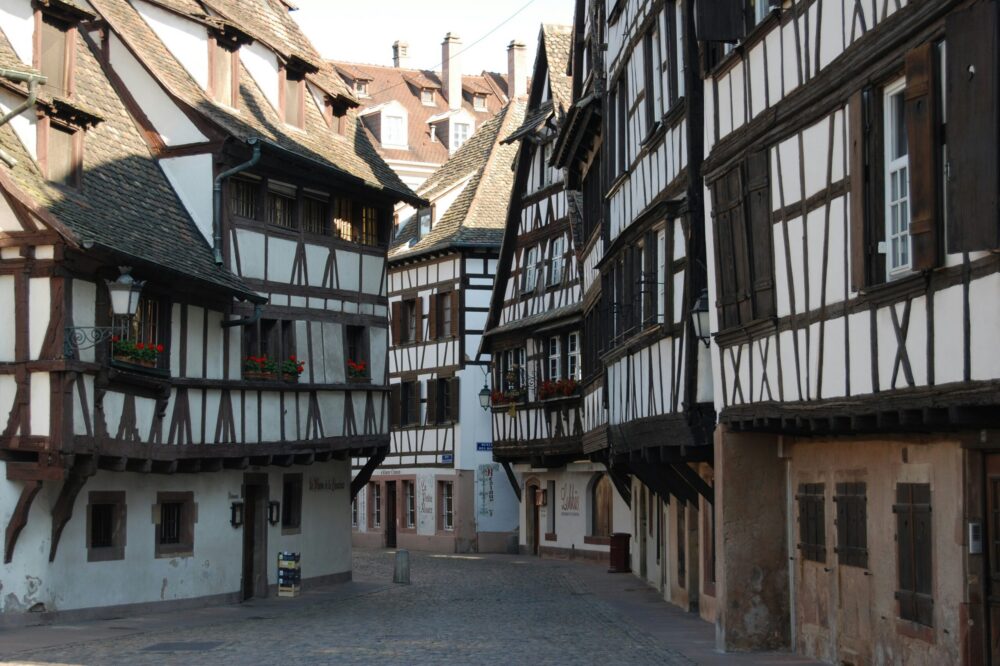
Photo by Newman Photographs on Pexels



Can Strasbourg graduates easily find jobs in other EU countries?
Yes, the university’s location and international focus make graduates attractive to employers across the EU. Many alumni work in Germany, Luxembourg, and Switzerland. Fluency in multiple languages and familiarity with European institutions are key assets for cross-border careers.
I’m an international student interested in health programs. Are there language requirements for clinical roles?
For clinical roles in France, proficiency in French is essential for patient communication and licensing exams. Strasbourg offers French language courses, and many health programs are taught in French. However, research tracks may have more flexibility with English.
I’m considering studying humanities at Strasbourg. The article says 82% employment rate after two years—is that mostly in teaching or are there other common career paths?
Great question! Humanities graduates often go into education, but also find roles in culture, public administration, NGOs, and private sector positions like communications or marketing. Many pursue further studies to specialize, which can open additional doors.
I notice humanities salaries are lower. Is there a way to increase earning potential after graduation?
Absolutely. Pursuing a master’s or specialized certificate, gaining internships in high-demand sectors like digital humanities or cultural management, and developing skills in data analysis or project management can significantly boost your earning potential and open up new roles.
The article mentions multilingualism as an advantage. Are there specific programs that emphasize German?
Yes, several programs offer German language tracks or are taught bilingually. For example, the European and International Studies program and some law courses include German. The university also has partnerships with German universities for joint degrees.
The salary ranges seem promising for engineering. Do companies specifically recruit from Strasbourg, or do graduates need to look elsewhere for tech jobs?
There is active local recruitment from companies like Sopra Steria and Thales, and the startup scene in Grand Est is growing. However, graduates also successfully find jobs in Paris, Germany, and Switzerland due to the university’s strong reputation.
What about internships? Does the university help with placements in European institutions?
Yes, the university has dedicated career services and partnerships with European institutions. Many programs include internship opportunities, and the proximity to the European Parliament facilitates placements. It’s advisable to apply early and leverage the university’s network.
What is the job market like for natural science graduates? The article says 85% employment—do they mostly go into research?
Natural science graduates find opportunities in research (academia and private labs), but also in pharmaceuticals, environmental consulting, and quality control. The IGBMC and other local institutes are major employers. Some also transition into data science or patent law.