France, with its rich history, diverse landscapes, and vibrant cities, remains one of the world’s top travel destinations. As 2026 approaches, travelers planning to explore multiple French cities will find an evolving transportation network that blends speed, comfort, and sustainability. Whether you’re zipping from Paris to Lyon for business or meandering from Nice to Bordeaux for leisure, understanding the best ways to travel between French cities in 2026 is key to a seamless journey. This guide covers everything from high-speed rail to emerging green options, helping you navigate France efficiently and enjoyably.
Table des matières:
High-Speed Rail: The Backbone of Intercity Travel
When considering the best ways to travel between French cities in 2026, high-speed rail stands out as a top choice. France’s TGV (Train à Grande Vitesse) network is renowned for its reliability, speed, and extensive coverage. By 2026, ongoing expansions and technological upgrades will make it even more appealing.
TGV Network and Key Routes
The TGV connects major cities like Paris, Lyon, Marseille, Bordeaux, and Lille at speeds exceeding 300 km/h (186 mph). In 2026, expect enhanced services on popular routes such as Paris to Lyon (2 hours) and Paris to Marseille (3 hours). Newer lines, like the LGV Sud Europe Atlantique, will improve travel times to southwestern cities, making Bordeaux more accessible.
- Advantages: Fast, eco-friendly, city-center to city-center convenience.
- Tips: Book tickets in advance via SNCF websites or apps for lower fares.
Future Developments in Rail Travel
By 2026, France aims to boost rail capacity and sustainability. Projects like the LGV Bordeaux-Toulouse and LGV Montpellier-Perpignan may be underway, reducing travel times in the south. Additionally, increased integration with European high-speed networks could simplify cross-border trips to cities like Geneva or Barcelona.
Regional Trains and TER Services
For shorter distances or less-traveled routes, regional trains (TER) offer a scenic and affordable alternative. These services connect smaller cities and towns, providing access to rural areas and coastal regions. In 2026, TER networks are expected to see improvements in frequency and comfort.
Benefits of Regional Travel
Regional trains allow travelers to experience France’s countryside at a leisurely pace. Routes like Nice to Cannes or Strasbourg to Colmar showcase picturesque landscapes. With plans for electrification and modernized fleets by 2026, TER services will become more efficient and environmentally friendly.
- Ideal for: Day trips, exploring regions like Provence or Alsace.
- Cost: Generally cheaper than TGVs, with flexible ticketing options.
Domestic Flights: Speed vs. Sustainability
While high-speed rail dominates, domestic flights remain an option for covering long distances quickly. However, in 2026, environmental considerations may influence choices. France has discussed reducing short-haul flights where train alternatives exist, aligning with EU green initiatives.
When to Consider Flying
Flights can be practical for routes like Paris to Nice (1.5 hours by air vs. 5.5 hours by train) or connecting distant regions such as Lille to Toulouse. By 2026, airlines may offer more eco-conscious options, like sustainable aviation fuels, but trains are often preferable for shorter journeys.
- Key airports: Paris-Charles de Gaulle, Paris-Orly, Nice Côte d’Azur.
- Considerations: Factor in airport transfer times and carbon footprint.
Buses and Coaches: Budget-Friendly Alternatives
For cost-conscious travelers, buses and coaches provide an economical way to travel between French cities. Companies like FlixBus and BlaBlaCar Bus operate extensive networks, with routes connecting major hubs and smaller towns.
Advantages and Limitations
Buses are often the cheapest option, with fares as low as €10-€20 for intercity trips. They offer amenities like Wi-Fi and power outlets, making them suitable for longer journeys. By 2026, expect more electric or hybrid buses, reducing environmental impact. However, travel times can be longer than trains or flights.
- Best for: Budget travel, overnight trips, or routes with limited rail service.
- Popular routes: Paris to Lyon, Marseille to Montpellier.
Car Travel: Flexibility and Scenic Routes
Renting a car or using ride-sharing services offers unparalleled flexibility, especially for exploring rural areas or multiple destinations in one trip. In 2026, advancements in electric vehicle (EV) infrastructure will make this option greener.
Driving in France: Tips for 2026
France’s well-maintained autoroutes (toll highways) and scenic routes like the Route Napoléon provide enjoyable driving experiences. By 2026, EV charging stations will be more widespread, supporting sustainable travel. Car-sharing platforms like BlaBlaCar also facilitate cost-effective rides between cities.
- Consider: Toll costs, parking availability, and environmental impact.
- Ideal for: Road trips, visiting vineyards, or remote regions.
Emerging and Eco-Friendly Options
As sustainability gains importance, 2026 will see growth in green transportation modes. These include expanded bike-sharing networks, electric scooters for short distances, and integrated multi-modal apps that combine trains, buses, and bikes.
Innovations in French Travel
Look for initiatives like hydrogen-powered trains on regional lines or enhanced cycling paths between cities. Apps offering seamless booking for combined transport will simplify planning, making eco-friendly travel more accessible.
Planning Your Trip: Practical Tips for 2026
To maximize your experience traveling between French cities in 2026, consider these strategies. Book tickets early for the best prices, especially for TGVs and flights. Use travel apps like SNCF, Omio, or Citymapper for real-time updates and comparisons. Factor in travel times and sustainability preferences when choosing modes.
- Budget: Rail passes like Interrail or Eurail can offer savings for multi-city trips.
- Sustainability: Opt for trains or buses when possible to reduce carbon emissions.
- Accessibility: Check for services catering to travelers with disabilities, as improvements are ongoing.
Conclusion
Determining the best ways to travel between French cities in 2026 involves balancing speed, cost, comfort, and environmental impact. High-speed rail remains the standout choice for efficiency and sustainability, complemented by regional trains, buses, and emerging green options. As France continues to innovate its transportation infrastructure, travelers can look forward to more connected, eco-conscious journeys. Whether you’re planning a business tour or a leisurely escape, this guide equips you with the insights to navigate France with ease. Start planning now to make the most of your 2026 adventure through this captivating country.
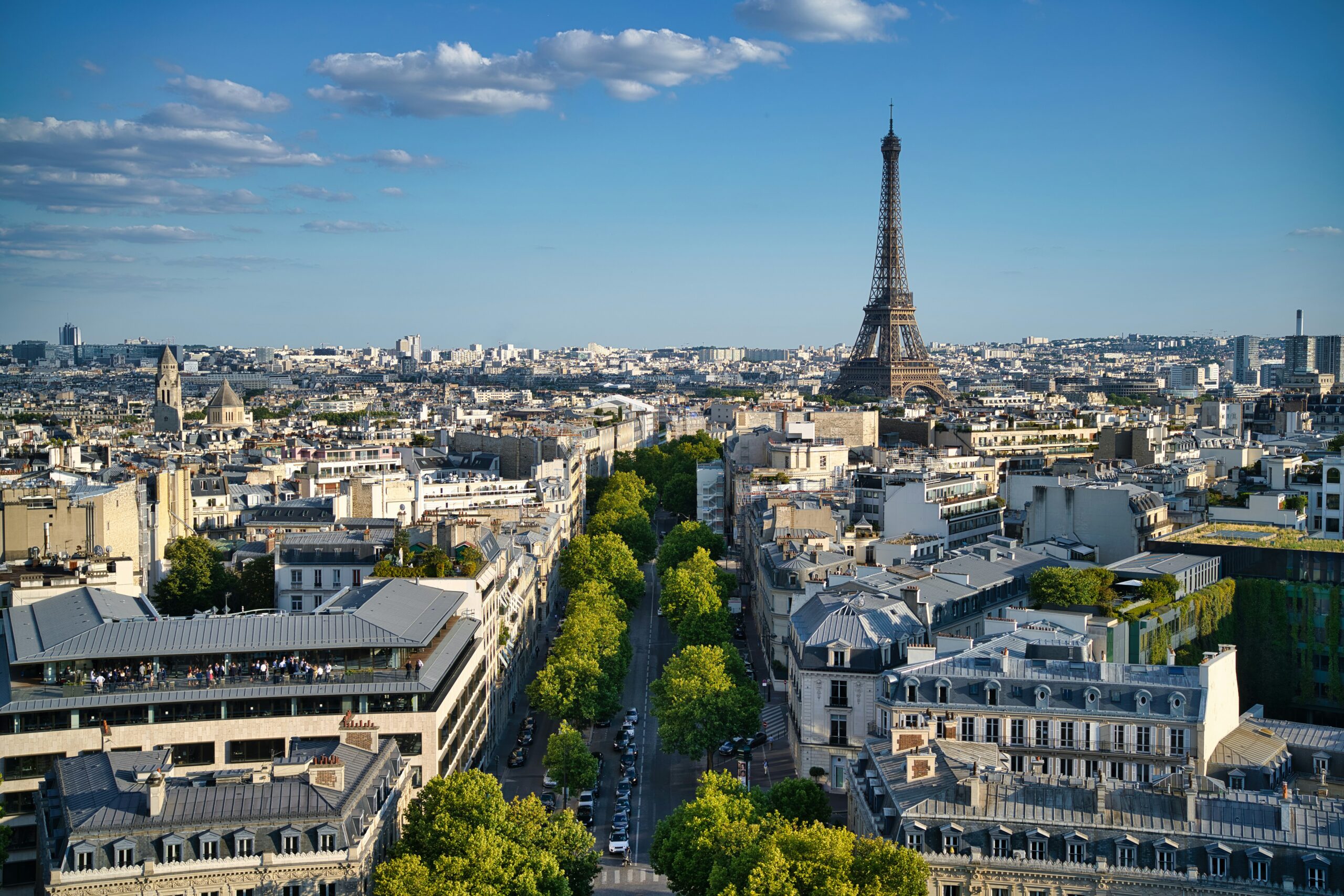
Photo by Maksim Shutov on Unsplash