
Table des matières:
Is Lyon Walkable? The Short Answer
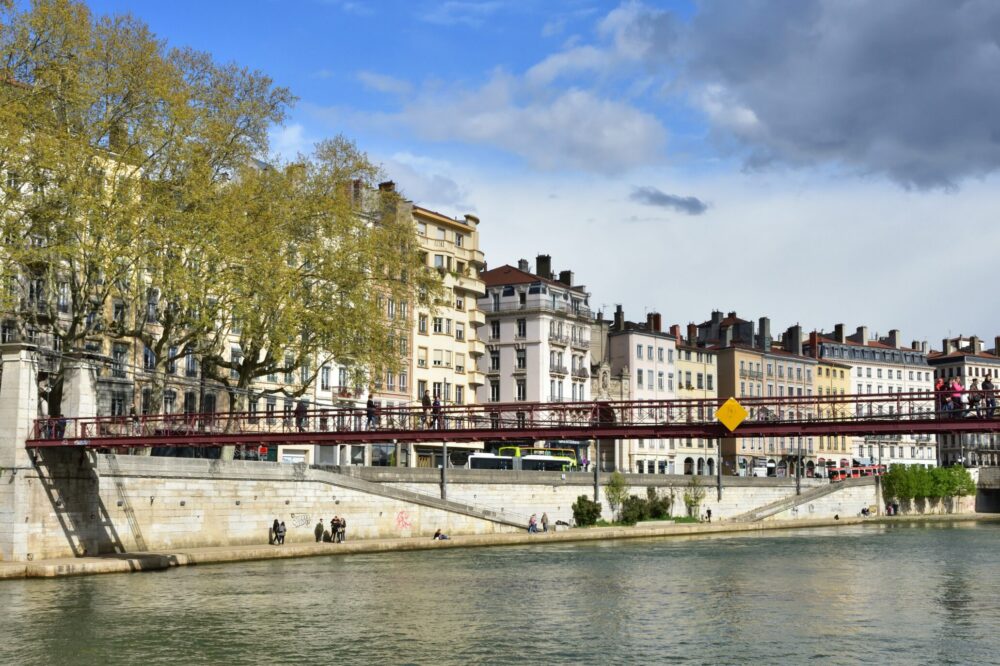
Yes, Lyon is exceptionally walkable. The city center is compact, pedestrian-friendly, and packed with attractions that are easily reachable on foot. With two major rivers (Rhône and Saône) dividing the city into distinct neighborhoods, most visitors find that walking is the best way to experience Lyon’s charm. From the historic Old Town (Vieux Lyon) to the trendy Presqu’île and the hilltop Basilica of Fourvière, Lyon rewards those who explore it on foot.
Why Lyon Is a Walker’s Paradise
Compact City Center
Lyon’s most popular districts—Vieux Lyon, Presqu’île, and Part-Dieu—are all within a 30-minute walk of each other. The city’s layout is flat along the riverbanks, making it easy for leisurely strolls. Even the climb to Fourvière is manageable for most fitness levels, with escalators and a funicular available as alternatives.
Pedestrian Zones and Traboules
The Presqu’île features extensive pedestrian streets like Rue de la République, perfect for shopping and people-watching. Lyon is also famous for its traboules—hidden passageways through buildings that connect streets—which are best discovered on foot. These shortcuts add an element of surprise and history to your walk.
Public Transport Backup
While walking is great, Lyon’s public transport (metro, tram, bus, and funicular) is excellent for longer distances or when your feet get tired. The metro covers the city efficiently, and a single ticket costs €1.90 (as of 2024). You can easily combine walking with short metro rides to cover more ground.
Walkability by Neighborhood
Vieux Lyon (Old Town)
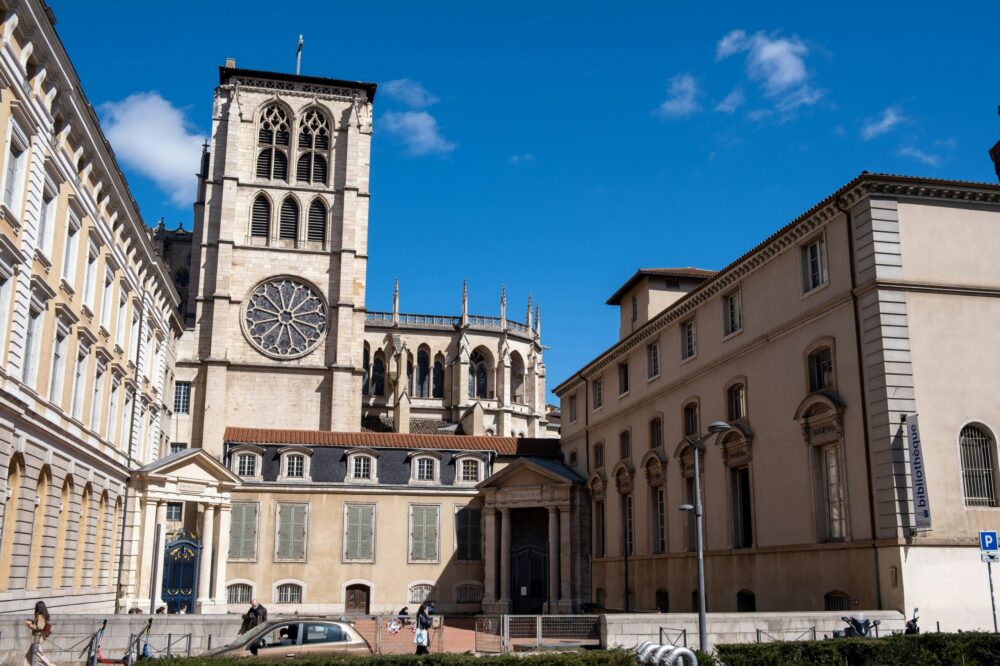
This Renaissance district is a UNESCO World Heritage site with narrow cobblestone streets, traboules, and historic buildings. It’s completely walkable and car-free in many areas. You can spend hours exploring its shops, bouchons (traditional Lyonnais restaurants), and the Saint-Jean Cathedral.
Presqu’île
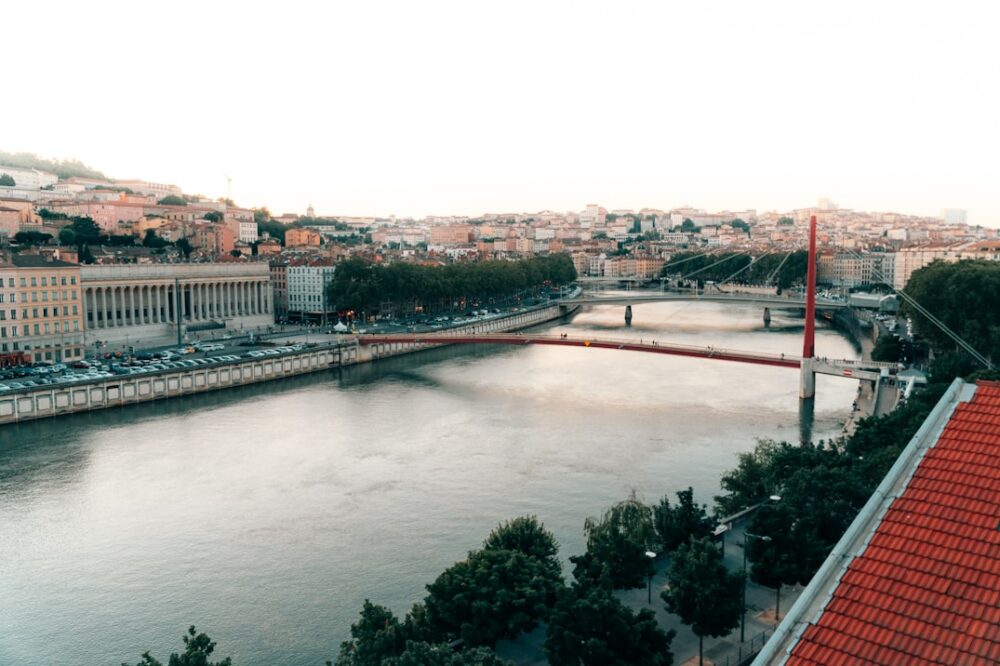
Located between the two rivers, Presqu’île is the modern heart of Lyon. It’s flat and pedestrian-friendly, with major squares like Place Bellecour (one of Europe’s largest pedestrian squares) and Place des Terreaux. Walking from Bellecour to the Opera House or along the Rhône quays is a delight.
Fourvière Hill
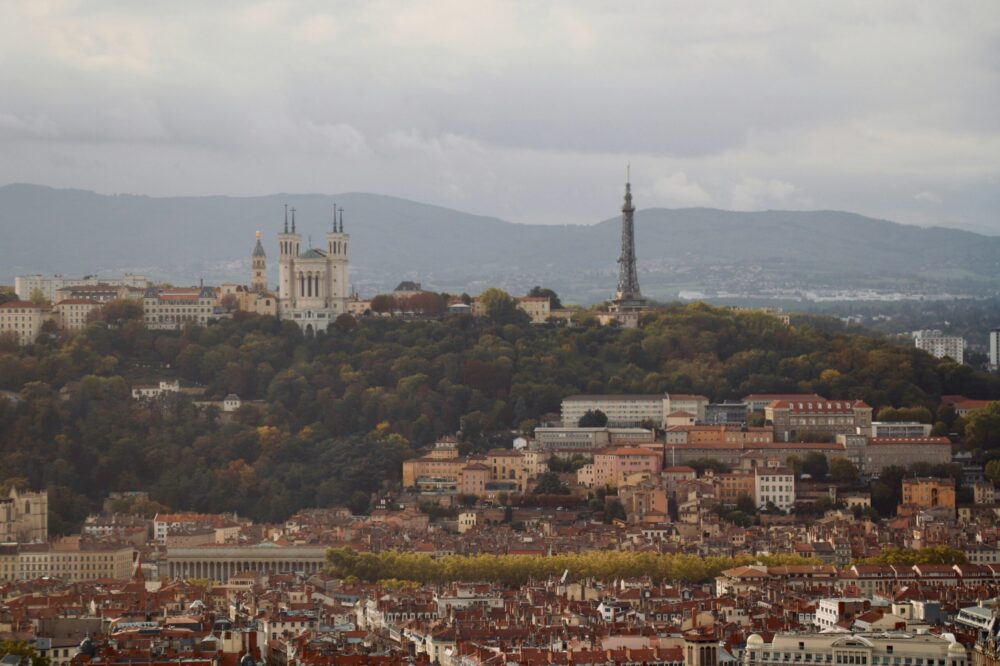
The hill is home to the Basilica of Fourvière and the Roman theaters. It’s a steep climb, but the panoramic views are worth it. If you prefer not to walk up, take the funicular from Vieux Lyon. Once at the top, the area is walkable, with gardens and viewpoints.
Croix-Rousse
Known as the “hill that works,” Croix-Rousse is a vibrant neighborhood with a village feel. It’s walkable but hilly. The area is famous for its silk-weaving history, traboules, and the daily food market on Boulevard de la Croix-Rousse. Walking here gives you a taste of local life.
Part-Dieu and Beyond
Part-Dieu is Lyon’s central business district, with the main train station and a large shopping mall. It’s less charming but still walkable if you’re staying nearby. For attractions like the Parc de la Tête d’Or or the Musée des Confluences, you may want to use public transport or allow extra time for a longer walk.
Sample Walking Itineraries
Half-Day Walking Tour (3-4 hours)



- Start at Place Bellecour
- Walk through Vieux Lyon to Saint-Jean Cathedral
- Take the funicular up to Fourvière Basilica (or walk if you’re up for the climb)
- Descend via the Roman theaters and back to Vieux Lyon
- Stroll along the Saône quays to Place des Terreaux
- End at the Opera House or explore the traboules of Presqu’île
Full-Day Walking Tour (6-8 hours)
- Morning: Explore Vieux Lyon and Fourvière (as above)
- Lunch: Bouchon in Presqu’île
- Afternoon: Walk through Presqu’île to Place des Terreaux, then cross to Croix-Rousse via the traboules or metro
- Late afternoon: Visit Parc de la Tête d’Or (30-min walk from Croix-Rousse or take bus)
- Evening: Dinner in the Brotteaux district or back to Presqu’île
What to Wear and Bring
Comfortable walking shoes are essential, especially for cobblestones and hills. Weather in Lyon varies: summers are hot, winters chilly, and rain possible year-round. Bring a water bottle, sun protection, and a city map or smartphone with offline maps. Most streets are well signposted, but a GPS app helps with navigating traboules.
Common Mistakes to Avoid
- Underestimating hills: Fourvière and Croix-Rousse are steep. Use the funicular or metro if you’re not up for a workout.
- Relying only on walking for far-flung attractions: The Musée des Confluences and Parc de la Tête d’Or are doable on foot but add significant distance. Plan accordingly.
- Not using traboules: These shortcuts save time and offer unique views. Get a traboule map from the tourist office.
- Ignoring public transport: A single metro ride can save you 30 minutes of walking. Don’t be a purist.
Walkability Scorecard: Lyon vs Other Cities
| City | Walkability Score (out of 100) | Key Advantage |
|---|---|---|
| Lyon | 85 | Compact center, pedestrian zones, traboules |
| Paris | 90 | Extensive metro, but larger distances |
| Barcelona | 80 | Grid layout, but hills and sprawl |
| Rome | 75 | Historic center walkable, but traffic and hills |
Lyon scores high due to its manageable size and pedestrian infrastructure. While not as walkable as Paris (which has denser metro coverage), Lyon is more compact and less overwhelming for foot exploration.
Frequently Asked Questions About Walking in Lyon
Is Lyon safe to walk at night?
Yes, central Lyon is generally safe at night. Areas like Vieux Lyon, Presqu’île, and Terreaux remain lively with restaurants and bars. As with any city, stay aware in less crowded spots.
How long does it take to walk from Vieux Lyon to Fourvière?
Walking up the hill takes about 20-30 minutes, depending on your pace. The funicular takes 2 minutes and runs frequently.
Can you walk from the train station to the city center?
From Lyon Part-Dieu station, it’s a 20-minute walk to Place Bellecour. From Perrache station, it’s about 10 minutes. Both are walkable, but you can also take the metro.
Is Lyon a good city for a walking vacation?
Absolutely. Lyon is ideal for a walking-focused trip, with diverse neighborhoods, hidden passageways, and plenty of pedestrian streets. You can easily spend 3-4 days exploring on foot.
What are the best walking routes in Lyon?
The classic route is from Place Bellecour through Vieux Lyon to Fourvière, then down to Presqu’île. Another favorite is the Croix-Rousse neighborhood with its traboules and market. For a riverside walk, follow the Rhône quays from Parc de la Tête d’Or to the Confluence.
Are there walking tours available in Lyon?
Yes, many companies offer guided walking tours, including food tours, history tours, and traboule tours. Free walking tours are also available (tip-based).
Practical Tips for Walking in Lyon
- Download an offline map or use Google Maps for traboule navigation.
- Wear comfortable shoes with good grip for cobblestones.
- Carry a reusable water bottle; public fountains are available.
- Check the weather forecast and bring an umbrella if needed.
- Use the funicular for Fourvière if you have mobility concerns.
- Take advantage of the metro for longer distances or when tired.
Final Verdict: Lyon Is Absolutely Walkable
Lyon is one of the most walkable cities in France, offering a rich blend of history, culture, and gastronomy all within easy reach. Whether you’re wandering through Renaissance alleys, climbing to a basilica, or strolling along the river, walking is the best way to soak in the city’s atmosphere. With its compact core, pedestrian zones, and hidden traboules, Lyon invites you to explore every corner on foot. So put on your walking shoes and discover why this UNESCO-listed city is a walker’s dream.
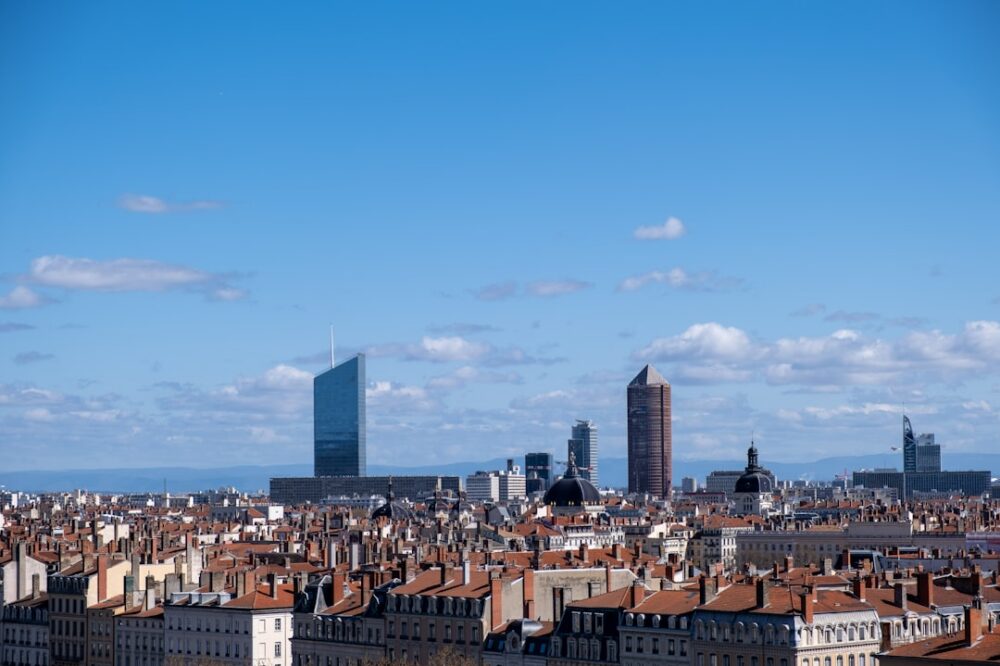
Photo by Bertrand Borie on Unsplash
I’m a photographer. Which neighborhoods are best for walking and taking photos?
Vieux Lyon’s cobblestone streets and traboules offer great architectural shots. The views from Fourvière Hill are stunning, and the Rhône quays at sunset are perfect for river scenes.
What about the traboules? Are they easy to find on foot?
Yes, many traboules are marked and open to the public. You can find maps at the tourist office or use a guided walking tour to discover the hidden ones. They’re a fun way to explore the city.
I’ve heard Lyon is hilly. Is the Presqu’île area flat enough for someone with mobility issues?
Presqu’île is very flat and has wide pedestrian streets, making it accessible. The riverbanks are also smooth. For hills like Fourvière or Croix-Rousse, consider using the funicular or metro.
How long does it take to walk from the Part-Dieu station to the Old Town?
It’s about 30-40 minutes on foot, but you can also take metro line B to Bellecour and then walk. If you have luggage, the metro might be easier.
Is it safe to walk around Lyon at night?
Generally, yes. The main tourist areas like Vieux Lyon and Presqu’île are well-lit and busy. As with any city, stay aware of your surroundings, especially in quieter streets.
Great article! I’m planning a trip to Lyon and wondering if it’s easy to walk from Vieux Lyon to the Basilica of Fourvière with kids?
The walk from Vieux Lyon to Fourvière is steep, but there’s a funicular that runs from the Saint-Jean station, which is very kid-friendly. Alternatively, you can take the escalators partway up. The view is worth it!