

If you’re dreaming of studying in the heart of the Renaissance, Florence is a top destination for international students. But before you can immerse yourself in Italian art, culture, and cuisine, you need to secure a student visa. This guide covers everything you need to know about the requirements for a student visa in Florence, from the application process to common pitfalls.
Table des matières:
Who Needs a Student Visa for Florence?
Non-EU/EEA nationals planning to study in Florence for more than 90 days must apply for a long-stay student visa (Type D). Citizens of the EU, EEA, or Switzerland do not need a visa but must register with the local authorities if staying longer than three months. US, Canadian, Australian, and many other nationals fall under the visa requirement.
Types of Student Visas for Florence
Italy offers two main student visa categories:
- Short-stay visa (Type C): For courses or study programs lasting less than 90 days (e.g., summer language courses).
- Long-stay visa (Type D): For degree programs, master’s, PhD, or academic years exceeding 90 days. This is the most common for studying in Florence.
Your visa type depends on the duration and nature of your program.
Step-by-Step Requirements for a Student Visa in Florence
1. Acceptance Letter from a Recognized Institution
You must be enrolled in a full-time program at a recognized educational institution in Florence. This could be the University of Florence, a private art school, or an accredited language institute. The acceptance letter must be official, stamped, and include your course details and duration.
2. Completed Visa Application Form
Fill out the national visa application form (available on the Italian consulate website in your country). Use block capitals, avoid errors, and sign it. Incomplete forms are a common reason for delays.
3. Valid Passport
Your passport must be valid for at least three months beyond the visa expiry date and have at least two blank pages. Provide photocopies of all pages with stamps or visas.
4. Passport-Size Photos
Two recent, identical photos meeting ICAO standards (35×45 mm, white background, no glasses). Check specific requirements with your local consulate.
5. Proof of Sufficient Financial Means
You must demonstrate you can support yourself during your stay. The Italian government requires a minimum of around €6,000 per year (amount may vary). Acceptable proof includes:
- Bank statements from the last 3-6 months
- Scholarship or grant letter
- Sponsorship letter from parents with their bank statements
- Income from employment (if applicable)
6. Proof of Accommodation in Florence
You need to show where you will live. Options include:
- Rental contract registered with the Italian tax authorities
- Hotel reservation for the first few weeks
- Letter of invitation from a host in Florence (with their ID and proof of residency)
- University dormitory confirmation
7. Health Insurance
You must have health insurance valid in Italy for the entire visa duration. It can be:
- International insurance with coverage in Italy (minimum €30,000 for emergency care)
- Private Italian insurance (e.g., from Allianz or Unipol)
- If you plan to register with the Italian National Health Service (SSN), you can do so after arrival, but visa application requires proof of insurance upfront.
8. Proof of Return or Onward Travel
Some consulates require a round-trip flight reservation or itinerary. Do not purchase a non-refundable ticket until the visa is approved.
9. Visa Fee

The fee for a long-stay student visa is approximately €50-€116, depending on nationality and consulate. Check the exact amount with your local Italian embassy or consulate.
10. Additional Documents
Depending on your country of origin, you may need:
- Police clearance certificate (for stays over 90 days)
- Proof of language proficiency (e.g., Italian or English, depending on program)
- Academic transcripts or diplomas
- Work authorization letter (if applicable)
How to Apply for a Student Visa for Florence
The application process is straightforward but requires careful planning:
- Gather documents – Use a checklist to ensure nothing is missing.
- Book an appointment – Schedule an appointment at the Italian consulate or embassy in your home country. Wait times can be weeks, so apply early.
- Attend the interview – Bring all original documents plus photocopies. Answer questions about your study plans and finances.
- Wait for processing – Processing takes 15-30 days, sometimes longer during peak seasons.
- Collect your visa – Once approved, you’ll receive a visa sticker in your passport. Check the dates and details.
After Arrival: Permesso di Soggiorno
Within 8 days of arriving in Florence, you must apply for a permesso di soggiorno (residence permit) at the local post office. This is mandatory for stays over 90 days. You’ll need to submit the application kit, passport copy, visa copy, and proof of insurance and accommodation. The permit is issued by the Questura (police headquarters) in Florence.
Common Mistakes to Avoid When Applying
- Incomplete documentation – Double-check each requirement. Missing a single document can lead to rejection.
- Insufficient financial proof – Ensure your bank statements clearly show the required amount and are recent.
- Applying too late – Start the process at least 3 months before your program starts.
- Ignoring the permesso di soggiorno – Failing to apply within 8 days can result in fines or deportation.
- Using unverified accommodation – Contracts must be registered; avoid informal agreements.
Practical Checklist for Your Student Visa Application
| Document | Required? | Notes |
|---|---|---|
| Valid passport | Yes | 3 months beyond visa expiry |
| Visa application form | Yes | Complete and signed |
| Passport photos | Yes | ICAO compliant |
| Acceptance letter | Yes | From recognized institution |
| Financial proof | Yes | Min. €6,000 per year |
| Accommodation proof | Yes | Rental contract or dorm confirmation |
| Health insurance | Yes | Valid in Italy |
| Flight reservation | Sometimes | Check consulate requirements |
| Visa fee | Yes | Pay at appointment |
Frequently Asked Questions
Can I work on a student visa in Florence?
Yes, but with restrictions. You can work up to 20 hours per week during the academic year and full-time during holidays. However, you must first obtain a work permit after arriving and obtaining your permesso di soggiorno.
How long does it take to get a student visa for Florence?
Processing typically takes 15-30 days, but it can be longer during peak seasons (August-October). Apply at least 3 months in advance.
Do I need to speak Italian to get a student visa?
Not necessarily. Many programs in Florence are taught in English. However, if your course is in Italian, you may need to prove proficiency (e.g., B2 level). Even if not required, learning basic Italian helps with daily life.
Can I bring my family on a student visa?
Student visas generally do not allow family reunification. Family members must apply for their own visas (e.g., family reunion or tourist visa). Some exceptions apply for certain categories.
What if my visa is rejected?
You can appeal the decision within 60 days or reapply with corrected documents. Common reasons for rejection include insufficient funds or incomplete paperwork. Seek advice from the consulate or an immigration lawyer.
Do I need to renew my student visa each year?
Long-stay student visas are typically valid for one year. You must renew your permesso di soggiorno annually if your program lasts longer. The visa itself may need renewal at the consulate if it expires before your program ends.
Final Recommendations for a Smooth Visa Process
Start early, stay organized, and keep copies of everything. Use the official Italian consulate website for your country as your primary source. If possible, consult with your university’s international office in Florence—they often provide guidance and sample documents. Remember, the requirements for a student visa in Florence are clear but strict: meet them all, and you’ll be on your way to an unforgettable academic experience in Tuscany.
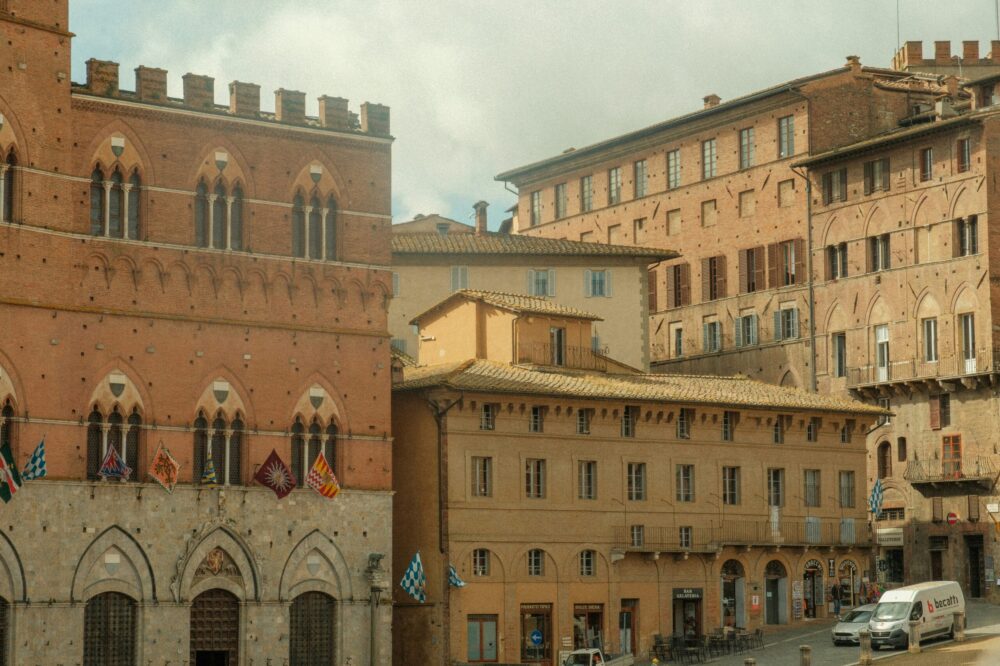
Photo by Alberto Cognetti on Unsplash



Great article! I’m from India and applying for a PhD in Florence. The visa application form asks for ‘purpose of stay’ – should I select ‘study’ or ‘research’?
Select ‘study’ as your purpose of stay. Even for a PhD, the visa category is a student visa. If you have a specific research grant or contract, you may also need to mention it in the additional information section, but the primary purpose remains study.
I’m a Canadian citizen. The article says I need a visa for studies over 90 days. But I heard Canadians can stay up to 6 months in Italy without a visa for tourism. Does that apply to studying too?
No, the 6-month visa-free stay for tourism does not cover study purposes. If you plan to study in Florence for more than 90 days, you must apply for a long-stay student visa (Type D) before you travel.
Thanks for the clear breakdown. One question: for the proof of financial means, does the €6,000 have to be in cash in my bank account, or can I show assets like stocks or property?
The preferred proof is liquid funds in a bank account, such as savings or checking accounts. Stocks or property are generally not accepted as sufficient financial means. Bank statements showing a consistent balance over 3-6 months are best.
I’m applying for a master’s program at the University of Florence. The acceptance letter they sent is in Italian. Is that okay, or do I need a translation?
An acceptance letter in Italian is generally acceptable, but it’s wise to check with your local Italian consulate. Some consulates may require a certified translation into English or the local language. When in doubt, provide a translation to avoid delays.
I’m from the US and planning to study art history in Florence for a year. Do I need to apply for the visa at the Italian consulate in my home state, or can I do it online?
You must apply in person at the Italian consulate or embassy that has jurisdiction over your place of residence in the US. There is no online application for long-stay visas. Check the consulate’s website for appointment booking.
For accommodation proof, I’m planning to stay with a friend in Florence. What exactly does the letter of invitation need to include?
The letter should include your friend’s full name, address, contact details, a statement that they are hosting you, and their signature. They must also provide a copy of their ID and proof of residency (e.g., utility bill). It’s best to have the letter notarized.
What about health insurance? I have travel insurance from my home country that covers Italy. Will that work, or do I need a specific Italian policy?
Your travel insurance must be valid for the entire duration of your stay and meet Italian requirements (minimum coverage of €30,000 for medical expenses and repatriation). It’s best to purchase a policy specifically for students in Italy or confirm with the consulate that your current insurance qualifies.