
Table des matières:
Finding Your Student Home in Florence: A Practical Overview
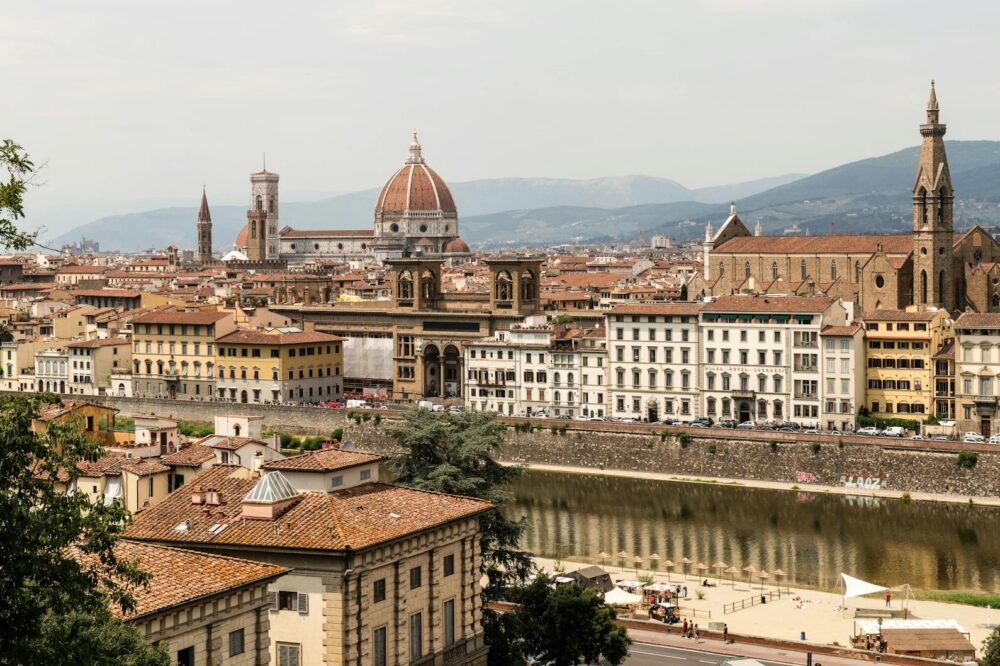
Florence is a dream destination for students from around the world. With its Renaissance art, world-class universities, and vibrant atmosphere, it’s no surprise that thousands of students choose to study here each year. But finding a place to live can be challenging—especially if you’re unfamiliar with the city’s neighborhoods. This guide breaks down the best areas for students, covering rent prices, proximity to universities, transport links, and lifestyle. Whether you’re looking for a lively social scene or a quiet study spot, you’ll find the perfect fit.
What to Consider Before Choosing a Neighborhood
Before diving into specific areas, think about your priorities:
- Budget: Rent in Florence can vary dramatically between neighborhoods and even streets.
- University location: The University of Florence has multiple campuses scattered across the city.
- Transport: Florence is walkable, but buses and trams connect outer areas.
- Lifestyle: Do you prefer a quiet residential street or a bustling square with bars?
- Safety: Most neighborhoods are safe, but some are better lit and more populated at night.
Top Neighborhoods for Students in Florence
1. San Lorenzo – The Heart of Student Life
San Lorenzo is arguably the most popular area for students. It’s home to the main campus of the University of Florence and the famous Mercato Centrale. The streets are filled with affordable eateries, bookshops, and a lively market.
Pros:
- Unbeatable proximity to university buildings and libraries.
- Vibrant, bustling atmosphere day and night.
- Plenty of budget-friendly restaurants and street food.
Cons:
- Can be noisy, especially near the market.
- Rents are higher than in peripheral areas.
Average rent: €450–€600 per month for a room.
2. Santa Croce – History Meets Student Vibe
Santa Croce is centered around the Basilica of Santa Croce and offers a mix of historic charm and student-friendly spots. It’s close to the University of Florence’s Faculty of Architecture and the European University Institute.
Pros:
- Beautiful architecture and quieter streets than San Lorenzo.
- Good nightlife with many bars and pubs.
- Close to the Arno River and main tourist attractions.
Cons:
- Can be expensive, especially near the square.
- Touristy in some parts, with higher prices in shops.
Average rent: €500–€650 per month for a room.
3. San Frediano & Oltrarno – The Hipster Hub
Across the river, the Oltrarno district—especially San Frediano—is known for its artisan workshops, vintage stores, and alternative vibe. It’s popular with art students and those attending the Academy of Fine Arts.
Pros:
- Creative, bohemian atmosphere with many independent cafes.
- Less touristy than the city center.
- Affordable rents compared to central neighborhoods.
Cons:
- Farther from the main university campus (20–30 min walk).
- Some streets are poorly lit at night.
Average rent: €400–€550 per month for a room.
4. Novoli – The Modern Campus Area
Novoli is a rapidly developing district home to the University of Florence’s Faculty of Law, Economics, and Political Science. It’s a modern area with wide streets and plenty of student housing complexes.
Pros:
- Directly adjacent to university buildings and libraries.
- Lower rents than the historic center.
- Good bus and tram connections to the city center.
Cons:
- Lacks the historic charm of central neighborhoods.
- Fewer social spots; nightlife is limited.
Average rent: €350–€500 per month for a room.
5. Campo di Marte – Green and Spacious
Campo di Marte is a residential area with large parks and sports facilities. It’s close to the University of Florence’s Science Campus and the Faculty of Medicine.



Pros:
- Quiet, green environment ideal for studying.
- Affordable rents and larger apartments.
- Near the stadium, gyms, and swimming pools.
Cons:
- Farther from the historic center (20 min by bus).
- Limited nightlife and dining options.
Average rent: €350–€480 per month for a room.
6. Coverciano – Budget-Friendly Quiet Zone
Coverciano is a quiet residential area northeast of the center. It’s known for the Italian Football Federation technical center, but also offers affordable student housing.
Pros:
- Very affordable rents.
- Peaceful, safe environment.
- Good bus connections to the center and university.
Cons:
- Far from nightlife and social hubs.
- Limited amenities within walking distance.
Average rent: €300–€400 per month for a room.
Comparison Table: Key Features of Each Neighborhood
| Neighborhood | Avg Rent (room) | Proximity to Uni | Nightlife | Transport | Vibe |
|---|---|---|---|---|---|
| San Lorenzo | €450–€600 | Excellent | High | Excellent | Bustling |
| Santa Croce | €500–€650 | Very Good | High | Excellent | Historic |
| San Frediano | €400–€550 | Good | Medium | Good | Bohemian |
| Novoli | €350–€500 | Excellent | Low | Good | Modern |
| Campo di Marte | €350–€480 | Good | Low | Good | Green |
| Coverciano | €300–€400 | Fair | Very Low | Fair | Quiet |
How to Find Student Accommodation in Florence
Start your search early—ideally 2–3 months before your course begins. Use these strategies:
- Online platforms: Websites like Spotahome, HousingAnywhere, and Idealista are popular. Facebook groups (e.g., ‘Affitti a Firenze’) also have many listings.
- Student housing: Some universities offer dormitories or affiliated residences. Check with your international office.
- Word of mouth: Ask current students or join student groups on social media.
- Beware of scams: Never pay a deposit before viewing the apartment or signing a contract. Use secure payment methods.
Common Mistakes Students Make When Renting in Florence
- Renting sight unseen: Photos can be misleading. If you can’t visit, ask for a video call and check reviews of the landlord.
- Ignoring the contract: Make sure the contract is registered (registrato) to avoid legal issues. Many landlords offer informal agreements that don’t protect you.
- Overlooking utility costs: Always ask if rent includes utilities (spese condominiali, gas, electricity, internet). These can add €100–€200 per month.
- Choosing a neighborhood solely on price: Cheap rent might mean long commutes or isolation. Balance cost with convenience.
Frequently Asked Questions About Student Living in Florence
Is Florence safe for international students?
Yes, Florence is generally safe. However, be cautious of pickpocketing in crowded tourist areas like San Lorenzo and Santa Croce. Stick to well-lit streets at night.
Do I need to speak Italian to find housing?
While many landlords speak basic English, knowing some Italian helps. Use translation apps and consider bringing an Italian-speaking friend to viewings.
What is the average cost of living for a student in Florence?
Apart from rent, budget around €300–€500 per month for food, transport, and leisure. Eating out and entertainment can increase costs.
Can I find a studio apartment on a student budget?
Studios are rare and expensive (€700+). Most students rent a room in a shared apartment (appartamento condiviso).
How is public transport for students?
Florence has buses and a tram line. A monthly student pass costs around €35. Many students walk or bike, as the city is compact.
When is the best time to search for accommodation?
Start in July or August for the fall semester. Many leases begin in September. Avoid arriving in October without a booking—supply is tight.
Your Next Steps: Finding the Best Place to Live in Florence as a Student
Now that you know the neighborhoods, it’s time to act. Make a list of your top three areas based on budget and university location. Start contacting landlords and scheduling viewings. Remember to ask about utilities, contract registration, and the length of the lease. With the right preparation, you’ll find a great student home in Florence that fits your needs and budget. Good luck!
Photo by tommao wang on Unsplash

Thanks for the breakdown! I’m an art student and San Frediano sounds perfect. How is the bus connection to the main university campus from there?
You’re welcome! From San Frediano, bus lines C3 and D connect to the main campus in about 20 minutes. Alternatively, it’s a pleasant 25–30 minute walk across the Ponte alla Carraia bridge. Biking is also popular and takes around 15 minutes.
I’m considering San Lorenzo because of the proximity to the university, but I’m worried about noise. Are there quieter streets within that neighborhood that are still close to campus?
Great question! Yes, San Lorenzo has quieter side streets like Via dell’Ariento and Via Nazionale (farther from the market). Look for apartments on upper floors or facing internal courtyards to reduce noise. Also, streets closer to Piazza San Lorenzo’s edges tend to be calmer than those directly around the market.
What about utilities? Are they usually included in the rent figures you mentioned?
Typically, the rent figures quoted are for the room only. Utilities (electricity, gas, water, internet) are often extra, averaging €50–€100 per month. Always confirm with the landlord or agency whether utilities are included or separate. Some student apartments offer all-inclusive rents, so it’s worth asking upfront.