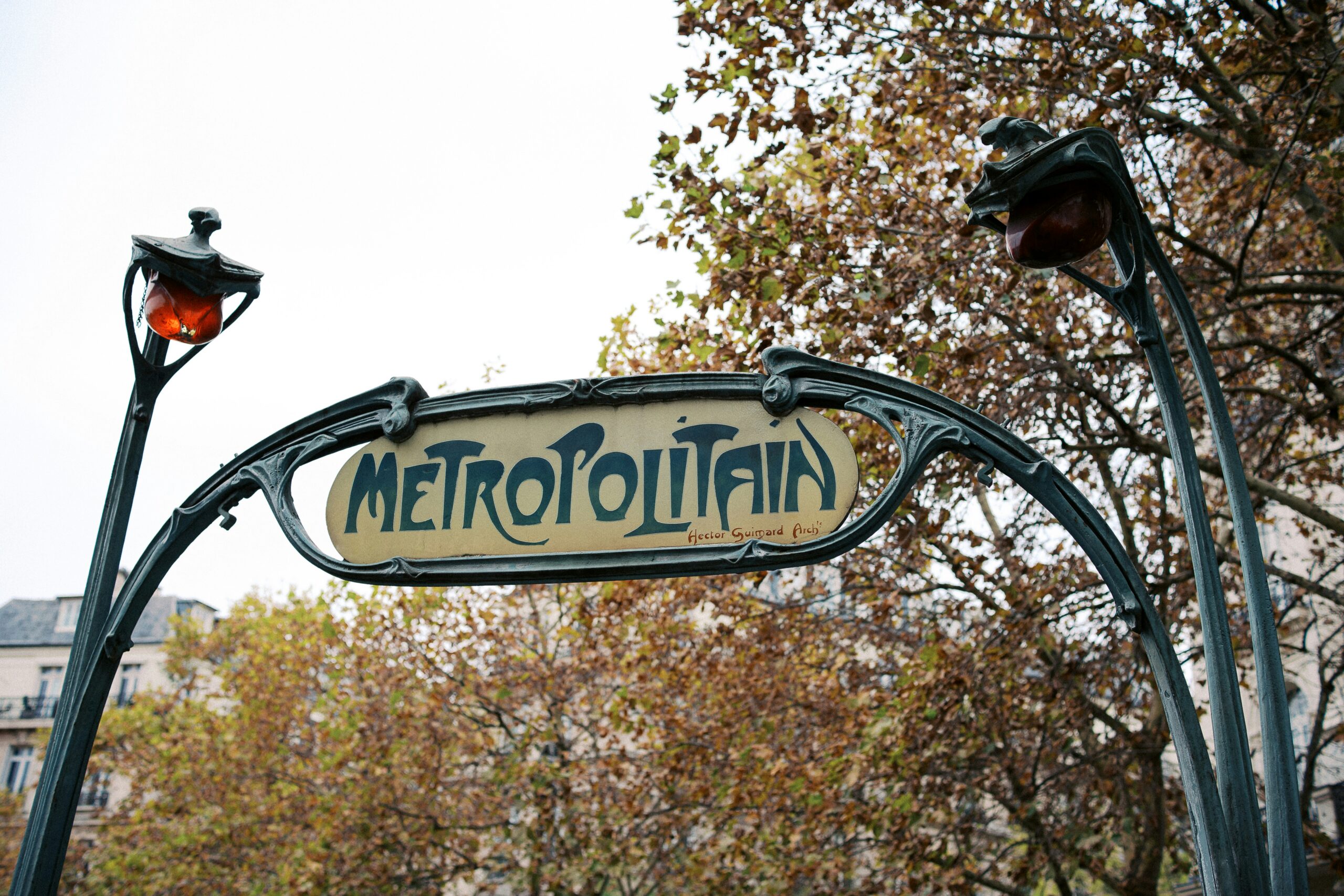
Navigating the Paris Metro system efficiently as a tourist can transform your visit to the City of Light from stressful to seamless. With 16 lines, over 300 stations, and millions of daily riders, the Metro is the backbone of Parisian transportation, offering quick access to iconic landmarks like the Eiffel Tower, Louvre, and Notre-Dame. However, its complexity can be daunting for first-time visitors. This guide provides practical, actionable advice to help you master the Metro, save money, and maximize your time exploring Paris.
Table des matières:
Understanding the Paris Metro System Basics
Before diving into tips for efficiency, it’s essential to grasp the fundamentals of the Paris Metro. Operated by RATP, the network covers central Paris and extends into the suburbs, with lines numbered 1 to 14, plus two minor lines (3bis and 7bis). Stations are marked with distinctive “M” or “Metro” signs, and each line has a unique color on maps. Trains typically run from around 5:30 AM to 1:15 AM daily, with reduced service on Sundays and holidays. Knowing these basics sets the foundation for using the Paris Metro system efficiently as a tourist.
Key Features of the Metro Network
The Metro is designed for high-frequency service, with trains arriving every 2-5 minutes during peak hours. It’s divided into zones, but most tourist attractions fall within Zones 1-2. Stations often have multiple exits, so paying attention to signs is crucial. Free maps are available at stations, and digital apps like Citymapper or the official RATP app can be invaluable tools. By familiarizing yourself with these features, you’ll reduce confusion and move through the city with confidence.
Choosing the Right Ticket or Pass
Selecting the appropriate ticket or pass is a key step in using the Paris Metro system efficiently as a tourist. Options range from single tickets to multi-day passes, each suited to different travel needs. Making the right choice can save you both time and money.
Ticket Options for Tourists
Paris offers several ticket types tailored for visitors:
- Single Tickets (t+): Valid for one journey on the Metro, bus, or tram within Zones 1-2. Ideal for occasional use.
- Carnet of 10 Tickets: A pack of 10 single tickets at a discounted rate, perfect for short stays with moderate Metro use.
- Paris Visite Pass: A tourist pass offering unlimited travel for 1, 2, 3, or 5 days in selected zones, plus discounts at attractions.
- Navigo Easy Card: A rechargeable card that you can load with tickets or passes, eliminating the need for paper tickets.
For most tourists, a Carnet or Paris Visite Pass offers the best balance of convenience and value. Consider your itinerary and travel frequency when deciding.
How to Purchase Tickets
Tickets can be bought at Metro station ticket machines, which have English language options, or at ticket counters. Machines accept coins, bills, and credit/debit cards. Avoid buying from unauthorized sellers to prevent scams. If using a Navigo Easy card, top it up as needed via machines or the RATP app. Having tickets ready in advance speeds up entry and avoids queues.
Navigating the Metro Like a Pro
Efficient navigation is at the heart of using the Paris Metro system effectively. With a few strategies, you can minimize delays and find your way effortlessly.
Using Metro Maps and Signage
Metro maps are displayed in stations and trains, showing lines, stations, and connections. Follow these tips:
- Identify your line number and direction (indicated by the terminus station).
- Look for color-coded signs on platforms and corridors.
- Use station exit signs to choose the closest exit to your destination.
Digital maps on your smartphone can provide real-time updates and alternative routes if there are disruptions.
Transferring Between Lines
Transfers (correspondances) are common in the Metro. When changing lines, follow the signs to your new line, which may involve walking through tunnels or up/down stairs. Allow extra time for transfers, especially at large stations like Châtelet-Les Halles, which has multiple levels. Staying alert to announcements about service changes can help you avoid unexpected delays.
Practical Tips for Efficiency and Comfort
Beyond tickets and navigation, adopting certain habits can enhance your Metro experience. These tips focus on saving time, ensuring safety, and respecting local norms.
Best Times to Travel
To use the Paris Metro system efficiently as a tourist, avoid peak hours (7:30-9:30 AM and 5:00-7:30 PM on weekdays) when trains are crowded. Mid-morning or early afternoon rides are generally quieter. On weekends, service may be less frequent, so plan accordingly. If traveling late, check the last train times to avoid being stranded.
Etiquette and Safety Guidelines
Observing Metro etiquette ensures a smooth ride for everyone:
- Stand on the right side of escalators to allow others to pass on the left.
- Let passengers exit before boarding trains.
- Keep your belongings secure to prevent pickpocketing, especially in busy areas.
- Offer seats to elderly, disabled, or pregnant passengers.
Stations and trains are generally safe, but stay aware of your surroundings, particularly at night.
Common Mistakes to Avoid
Tourists often make simple errors that hinder their Metro efficiency. By steering clear of these pitfalls, you’ll have a more enjoyable journey.
Ticket and Validation Errors
Always validate your ticket at the entrance gates, as fines apply for fare evasion. Paper tickets are valid for one journey only—don’t reuse them. If using a pass, ensure it’s activated for the correct zones. Double-check expiration dates to avoid invalid travel.
Navigation Blunders
Getting on the wrong direction is a frequent mistake. Confirm the terminus station before boarding. Also, don’t rely solely on station names; some stations have similar names (e.g., multiple “Saint-Lazare” entries). When in doubt, ask station staff or use a map.
Integrating the Metro with Other Transport
The Metro connects seamlessly with other Paris transport options, such as buses, trams, and the RER suburban trains. For longer distances, like trips to Versailles or Disneyland Paris, the RER is often necessary. Tickets may vary, so check validity in advance. Using a combination of transport can optimize your travel, especially for attractions outside central Paris.
Conclusion
Mastering how to use the Paris Metro system efficiently as a tourist is a valuable skill that enhances your Parisian adventure. By understanding ticket options, navigating with confidence, and following practical tips, you can save time, reduce stress, and immerse yourself in the city’s culture. Remember to plan ahead, stay aware, and embrace the Metro as part of the Paris experience. With this guide, you’re well-equipped to explore the wonders of Paris smoothly and efficiently.
Photo by The Now Time on Unsplash