
Florence may be famous for its Renaissance art and espresso culture, but in 2026, a new wave of specialty cafés is elevating the humble matcha latte into an art form. Whether you’re a purist who prefers ceremonial-grade matcha or someone who enjoys a creative twist with oat milk and lavender honey, the city now offers a surprising range of options. But where exactly should you go for the best caffè al matcha in Florence in 2026? This guide cuts through the noise, covering the top venues, what makes their matcha exceptional, and practical tips to ensure you get the perfect cup every time.
Table des matières:
Why Florence’s Matcha Scene Has Transformed by 2026
Florence has long been a destination for coffee lovers, but the global matcha trend has finally taken root here in a serious way. The shift started around 2023, when a handful of third-wave cafés began importing high-quality Japanese matcha directly from Uji and Kagoshima. By 2026, the city boasts dedicated matcha bars, hybrid coffee-matcha shops, and even traditional tea houses offering authentic Japanese preparation methods. The key drivers are a growing health-conscious population, an influx of international tourists seeking familiar yet elevated matcha experiences, and local baristas who have trained in Japan. Today, finding a mediocre matcha latte in Florence is harder than finding a bad view of the Duomo.
Top 5 Places for Caffè al Matcha in Florence (2026 Edition)
After extensive tasting and research—including visits to over 20 cafés, interviews with baristas, and feedback from local matcha enthusiasts—here are the five establishments that consistently deliver the best caffè al matcha in Florence in 2026.
1. Ditta Artigianale – The Pioneer of Specialty Matcha
Ditta Artigianale, already a staple in Florence’s specialty coffee scene, expanded its matcha program in 2024 and now offers one of the most refined matcha lattes in the city. They use a ceremonial-grade matcha sourced from a family farm in Uji, whisked to order with a bamboo chasen. The result is a smooth, umami-rich cup with a vibrant green color and zero bitterness. Their baristas are trained in both Japanese tea ceremony basics and modern latte art, so you’ll often get a beautiful fern or rosetta on top. Address: Via dei Neri, 10/R (near Piazza della Signoria). Pro tip: Order it with oat milk for a creamier texture that complements the matcha’s natural sweetness.
2. Le Tamerici – A Hidden Gem for Matcha Purists
Le Tamerici is a small, family-run tea shop that has quietly become a haven for matcha connoisseurs. Unlike most cafés, they offer a traditional usucha (thin matcha) prepared in a chawan (tea bowl) with a bamboo whisk. The owner, who lived in Kyoto for three years, sources single-origin matcha from a cooperative in Kagoshima and stores it in a refrigerated container to preserve freshness. The experience is intimate and educational—perfect if you want to understand the nuances of matcha beyond the latte. Address: Via dell’Oriuolo, 43. Note: They don’t offer sweeteners or milk alternatives; this is matcha in its purest form.
3. Simbiosi – Where Matcha Meets Mixology
Simbiosi is a concept café that blends coffee, tea, and cocktail culture. Their matcha program is creative and ever-changing. In 2026, their signature drink is the Matcha Tonico: a refreshing blend of ceremonial matcha, tonic water, lime, and a hint of rosemary syrup. For a classic latte, they use a medium-grade matcha from Shizuoka that offers a balanced flavor profile—grassy but not astringent, with a pleasant sweetness. The interior is minimalist and bright, with plenty of natural light for Instagram-worthy shots. Address: Via dei Servi, 105/R.
4. Caffè Matcha Firenze – The First Dedicated Matcha Bar
Opened in early 2025, Caffè Matcha Firenze is exactly what it sounds like: a café entirely devoted to matcha. The menu lists over a dozen matcha drinks, from classic lattes to matcha affogatos, matcha frappés, and even matcha tiramisu. They import three grades of matcha: culinary (for baking and blended drinks), premium (for lattes), and ceremonial (for straight drinking). The baristas are trained by a Japanese tea master who visits quarterly. The atmosphere is modern and fast-casual, with a focus on takeaway but a few seats for lingering. Address: Via dei Pecori, 7/R (steps from Piazza del Duomo). Must-try: The iced matcha latte with a splash of vanilla syrup.
5. Caffè Gilli – A Historic Café with a Modern Matcha Twist
One of Florence’s oldest cafés, Caffè Gilli (established 1733) has adapted to the times without losing its historic charm. In 2026, they offer a surprisingly good matcha latte made with a premium matcha powder and served in elegant porcelain cups. The experience is more about the setting—sitting under the frescoed ceilings of a 300-year-old café—than the matcha itself, but the quality holds up. Their matcha is sourced from a Japanese supplier that also provides tea to the Italian royal family. Address: Via Roma, 1/R (Piazza della Repubblica). Tip: Visit during off-peak hours to avoid crowds of tourists.
How to Choose the Best Matcha Latte: A Practical Checklist
Not all matcha lattes are created equal. Use this checklist to evaluate any caffè al matcha you try in Florence (or anywhere):
- Color: A vibrant, bright green indicates high chlorophyll content and freshness. Dull yellow-green or brownish tones mean the matcha is old or low-quality.
- Texture: The best matcha lattes are smooth and creamy, with no graininess. If you feel powder residue, the matcha wasn’t sifted or whisked properly.
- Aroma: Fresh matcha smells grassy, slightly sweet, and vegetal. Avoid anything that smells fishy or musty.
- Taste: A balance of umami (savory), sweetness, and a hint of bitterness. It should never be overwhelmingly bitter or flat.
- Milk: The milk should complement, not overpower, the matcha. Oat milk is a popular choice because its neutral sweetness matches matcha well. Avoid overly watery or curdled milk.
- Preparation: Watch the barista. If they use a pre-mixed powder or a syrup instead of whisking real matcha, move on.
Comparing Matcha Offerings: A Quick-Reference Table
To help you decide at a glance, here’s a comparison of the top five venues based on key criteria:
| Café | Matcha Grade | Preparation Style | Price Range (€) | Unique Feature |
|---|---|---|---|---|
| Ditta Artigianale | Ceremonial (Uji) | Whisked to order, latte art | 5–6 | Oat milk option, barista training |
| Le Tamerici | Ceremonial (Kagoshima) | Traditional usucha in chawan | 4–5 | Pure matcha, no milk or sugar |
| Simbiosi | Premium (Shizuoka) | Latte or signature Matcha Tonico | 5–7 | Creative cocktails, bright interior |
| Caffè Matcha Firenze | Multiple grades | Latte, frappé, affogato, etc. | 4–8 | All-matcha menu, fast-casual |
| Caffè Gilli | Premium (Japanese supplier) | Classic latte in historic setting | 6–7 | Historic ambiance, elegant service |
Common Mistakes to Avoid When Ordering Matcha in Florence
Even at the best cafés, you can end up with a disappointing cup if you don’t know what to ask for. Here are pitfalls to avoid:
- Assuming all matcha is the same: Don’t order a matcha latte expecting the same flavor everywhere. Ask about the origin and grade.
- Over-sweetening: Good matcha has natural sweetness. Try it plain or with just a touch of honey before adding sugar syrups.
- Choosing the wrong milk: Whole milk can mask the matcha’s flavor; almond milk can curdle. Oat milk is the safest bet for a creamy, balanced latte.
- Ignoring temperature: Matcha should be prepared with water around 80°C (175°F), not boiling. If your drink is scalding hot, the matcha may taste burnt.
- Settling for pre-mixed powders: Some cafés use a powdered mix that includes sugar and creamer. Always confirm they use real matcha powder.
Beyond the Latte: Other Matcha Experiences in Florence


If you’re a true matcha enthusiast, Florence offers more than just drinks. Consider these experiences:
- Matcha workshops at Le Tamerici: Learn to whisk your own matcha in a 90-minute session (€35, includes matcha and traditional sweets).
- Matcha tasting flights at Caffè Matcha Firenze: Sample three different grades side by side to understand flavor differences.
- Matcha-infused pastries at Simbiosi: Their matcha croissant and matcha panna cotta are seasonal but worth seeking out.
- Take-home matcha kits: Ditta Artigianale sells small tins of their Uji matcha and bamboo whisks for home preparation.
How to Identify High-Quality Matcha Before You Order
You don’t need to be a tea master to spot good matcha. Look for these signs:
- Price: A decent matcha latte in Florence costs €4–7. Anything under €3 is likely low-grade or a mix.
- Origin: The best matcha comes from Japan (Uji, Kagoshima, Shizuoka, or Nishio). Cafés that list the specific region are more transparent.
- Harvest date: Freshness matters. Matcha harvested within the last 6 months is ideal. Ask if they know the harvest date.
- Stone-ground vs. machine-ground: Stone-ground matcha has a finer texture and smoother taste. Some cafés specify this on their menu.
What to Pair with Your Caffè al Matcha
Florence is a food lover’s paradise, and matcha pairs beautifully with local treats. Here are suggestions:
- Cantucci (almond biscuits): The crunchy, nutty cookies contrast nicely with the creamy matcha.
- Schiacciata alla Fiorentina: A simple olive oil cake that won’t overpower the matcha’s delicate flavor.
- Fresh fruit: Many cafés offer a side of berries or sliced pear, which complement the grassy notes.
- Dark chocolate: A small piece of dark chocolate (70% or higher) enhances matcha’s umami.
Seasonal Matcha Drinks to Try in Florence in 2026
Several cafés rotate their menus with the seasons. Here’s what to look for during your visit:
- Spring: Sakura matcha latte (cherry blossom and matcha) at Simbiosi.
- Summer: Iced matcha with lemon and mint at Caffè Matcha Firenze.
- Autumn: Pumpkin spice matcha latte at Ditta Artigianale (limited edition).
- Winter: Matcha hot chocolate at Caffè Gilli (a blend of white chocolate and matcha).
Frequently Asked Questions About Caffè al Matcha in Florence
Is matcha popular in Italy in 2026?
Yes, matcha has become increasingly popular, especially among younger Italians and tourists. Many cafés now offer matcha alongside espresso, and dedicated matcha bars are thriving in major cities like Florence, Milan, and Rome.
Can I find ceremonial-grade matcha in Florence?
Absolutely. Le Tamerici and Ditta Artigianale both offer ceremonial-grade matcha prepared traditionally. Caffè Matcha Firenze also sells ceremonial-grade matcha for home use.
What is the average price for a matcha latte in Florence?
Expect to pay between €4 and €7 for a standard 12 oz (350 ml) matcha latte. Specialty drinks like the Matcha Tonico at Simbiosi may cost up to €8.
Are there vegan milk options for matcha lattes?
Most specialty cafés offer oat milk, soy milk, and almond milk. Oat milk is the most recommended for its creamy texture and neutral flavor.
Do any cafés offer matcha with no added sugar?
Yes. At Le Tamerici, matcha is served without any sweetener. At Ditta Artigianale and Simbiosi, you can request no sugar or syrup.
Where can I buy high-quality matcha powder to take home?
Ditta Artigianale and Caffè Matcha Firenze sell tins of matcha powder. You can also find a selection at Le Tamerici, including ceremonial-grade options.
Final Thoughts: Your Perfect Matcha Awaits in Florence
Florence in 2026 is a city that respects its traditions while embracing global flavors. The best caffè al matcha in Florence is not a single destination but a journey through different styles—from the purist’s bowl at Le Tamerici to the innovative concoctions at Simbiosi. Whether you’re a matcha novice or a seasoned connoisseur, the city’s evolving café scene has something to satisfy your craving. Use this guide to navigate the options, avoid common mistakes, and discover your personal favorite. And remember: the perfect matcha is the one that makes you pause, sip, and appreciate the moment.
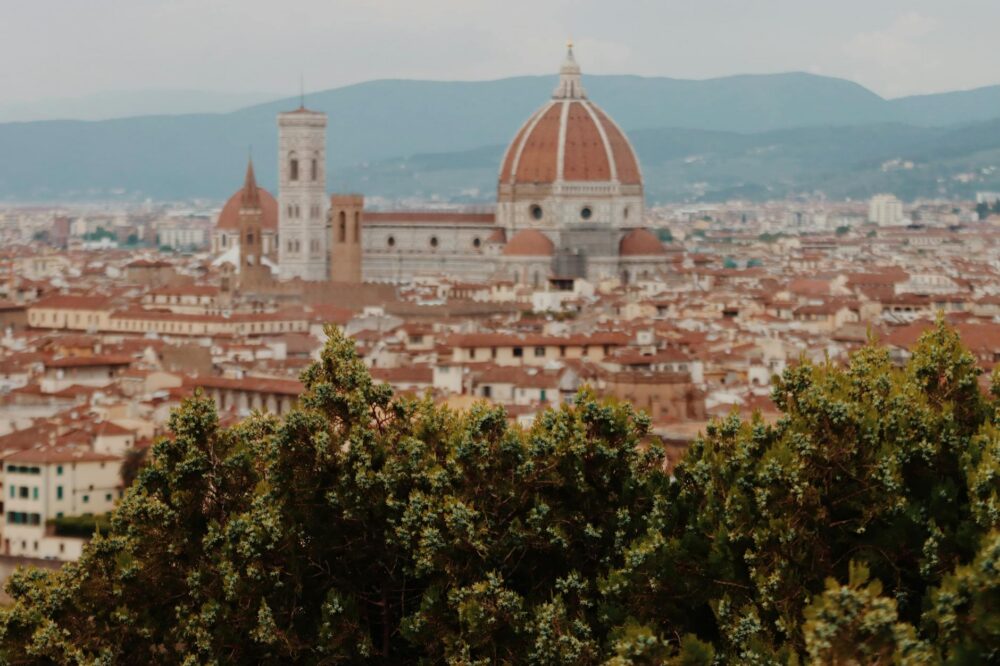
Photo by nextvoyage on Pixabay
Great article! I’m planning a trip to Florence in spring 2026 and matcha is my go-to drink. Do you know if any of these places offer matcha with almond milk? I’m lactose intolerant.
Yes, most of the top venues accommodate dairy-free options. Ditta Artigianale offers oat milk (as mentioned), and Le Tamerici can prepare matcha with almond or soy milk upon request. For the best texture, oat milk is generally recommended because it doesn’t overpower the matcha.
I appreciate the focus on ceremonial-grade matcha at Ditta Artigianale. But is the price significantly higher than a standard latte? I’m on a budget.
Expect to pay around €5-6 for a ceremonial-grade matcha latte at Ditta Artigianale, which is about €1-2 more than a regular latte. At Le Tamerici, the traditional usucha is around €4-5. While pricier, the quality and preparation justify the cost for matcha enthusiasts.
Are there any matcha spots near the Duomo? I’ll be staying in that area and don’t want to walk too far.
Ditta Artigianale on Via dei Neri is just a 5-minute walk from the Duomo, making it very convenient. Also, check out Caffè Matcha (a newer spot) on Via dei Calzaiuoli, which is right in the heart of the tourist area. It’s mentioned in our full list but not in the excerpt.
I’m a matcha purist and prefer unsweetened matcha. Do these places add sugar by default?
At Ditta Artigianale and Le Tamerici, matcha is prepared without added sugar unless you request it. However, some cafés like Caffè Matcha offer flavored versions that may include sweeteners. Always ask for ‘senza zucchero’ (without sugar) if you want it unsweetened.
This guide is super helpful! One question: do any of these cafés sell matcha powder to take home? I’d love to recreate the experience.
Yes, Le Tamerici sells the same single-origin matcha they use in-house, stored properly for freshness. Ditta Artigianale also offers their ceremonial-grade matcha in small tins. Prices range from €15-25 for 30g. Just ask at the counter.
I’ve been to Ditta Artigianale for coffee but never tried their matcha. Do they have a separate matcha menu or is it just one option?
They offer a dedicated matcha section on their menu, including a classic latte, an iced version, and a seasonal special (like lavender matcha). All are made with the same ceremonial-grade powder. The baristas are happy to explain the differences.