
Antakya, known historically as Antioch, is a city in southern Turkey that blends ancient history, religious significance, and a vibrant food culture. Whether you’re a history buff, a foodie, or a curious traveler, the best things to do in Antakya offer something for everyone. This guide covers top attractions, hidden gems, and practical tips to make the most of your visit.
Table des matières:
Why Visit Antakya?
Antakya is one of the oldest continuously inhabited cities in the world. It was a major center of early Christianity, a Roman metropolis, and a crossroads of civilizations. Today, its rich heritage is visible in stunning mosaics, historic churches, and a bustling bazaar. The city is also famous for its unique cuisine, influenced by Arab, Turkish, and Mediterranean flavors. If you’re looking for authentic experiences away from mass tourism, Antakya is an ideal destination.
Top Attractions in Antakya
Hatay Archaeology Museum
The Hatay Archaeology Museum is a must-see. It houses one of the world’s finest collections of Roman mosaics, many from the ancient city of Antioch. The museum’s centerpiece is the magnificent Gypsy Girl mosaic, a 2nd-century masterpiece. Allow at least two hours to explore the exhibits, which span from the Paleolithic era to the Ottoman period.
St. Peter’s Church (Grotto of St. Peter)
This cave church is one of Christianity’s oldest places of worship. According to tradition, St. Peter preached here, and early Christians gathered in secret. The church is carved into the mountainside and features a simple altar and frescoes. It’s a short taxi ride from the city center and offers a serene atmosphere.
Antakya Old City (Küçükdalyan)
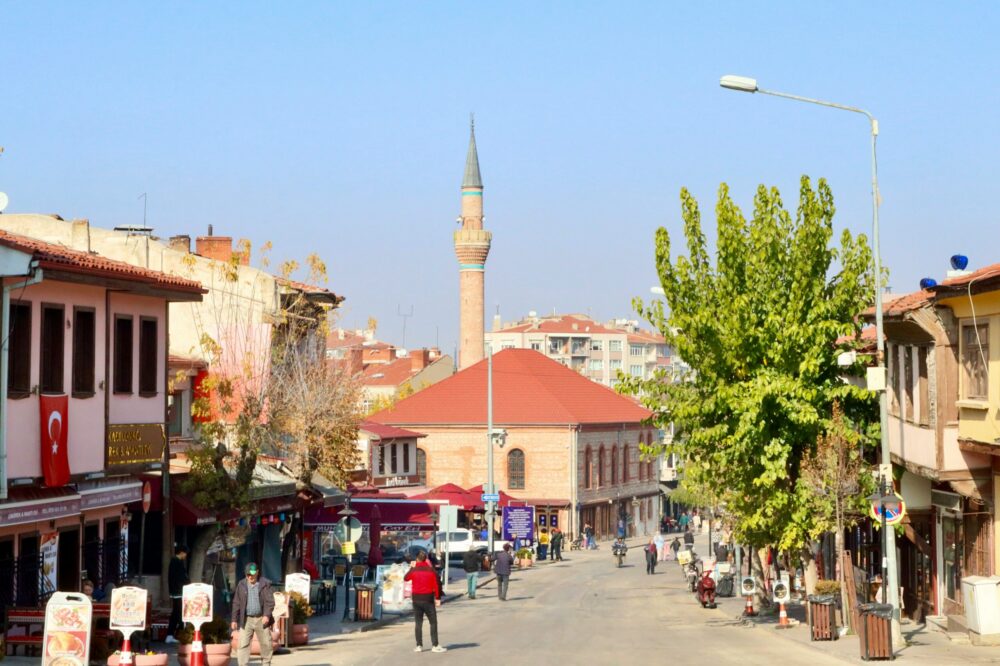
Wander through the narrow streets of the old city, where you’ll find traditional Ottoman houses, local shops, and the Ulu Mosque. The area is perfect for photography and for experiencing daily life. Don’t miss the Antakya Bazaar, a covered market selling spices, textiles, and handicrafts.
Habib-i Neccar Mosque
One of the oldest mosques in Turkey, it was originally a church built in the 4th century. The mosque features a mix of architectural styles and a peaceful courtyard. It’s located in the city center and is open to visitors outside prayer times.
Antakya Museum Hotel
This luxury hotel is built over an archaeological site, and guests can view ancient mosaics in situ. Even if you don’t stay overnight, you can visit the hotel’s museum area or enjoy a meal at its restaurant. The hotel is a prime example of how modern design can coexist with history.
Food Experiences: What to Eat in Antakya
Antakya’s cuisine is a highlight of any visit. The city is famous for its künefe (a sweet cheese pastry), Antakya kebab, and hummus. Here are some must-try dishes:
- Künefe: Shredded phyllo dough filled with cheese, soaked in syrup, and topped with pistachios. Try it at Künefeci Mehmet.
- Antakya Kebab: Marinated lamb or chicken grilled on skewers, often served with grilled vegetables and bread.
- Hummus: Creamy chickpea dip with tahini, lemon, and olive oil. Local versions are exceptionally smooth.
- Oruk: Spiced bulgur balls stuffed with minced meat, similar to kibbeh.
- Katmer: A flaky pastry filled with pistachios and clotted cream.
For a full food tour, head to Kurtuluş Street or the Künefeciler Çarşısı (Künefe Market).
Day Trips from Antakya
Harbiye (Daphne)
Just 8 km south of Antakya, Harbiye is a lush area with waterfalls and restaurants. It was the ancient resort of Daphne, known for its springs and plane trees. Enjoy a meal by the water or hike the trails.


Samandağ (Seleucia Pieria)
About 25 km west, Samandağ is a coastal town with beaches and the ruins of the ancient port of Seleucia Pieria. The Vespasianus Titus Tunnel is an impressive Roman engineering feat worth seeing.
Mount St. Simeon (St. Simon’s Monastery)
Located 30 km north, this Byzantine monastery offers panoramic views and a glimpse into early monastic life. The ruins are dramatic and less visited.
Practical Tips for Visiting Antakya
- Best time to visit: Spring (March-May) and autumn (September-November) for mild weather.
- Getting around: The city is walkable, but taxis are affordable. Use the BiTaksi app for reliable rides.
- Accommodation: Stay near the city center or the old town. The Antakya Museum Hotel is a top choice for history lovers.
- Safety: Antakya is generally safe for tourists, but be mindful of traffic and pickpockets in crowded areas.
- Language: Turkish is the main language; English is not widely spoken, so learn a few phrases.
Mistakes to Avoid in Antakya
- Rushing the museum: The Hatay Archaeology Museum deserves at least two hours.
- Skipping local food: Don’t leave without trying künefe and hummus from a local spot.
- Ignoring the bazaar: The Antakya Bazaar is a treasure trove of spices and souvenirs.
- Not visiting St. Peter’s Church: It’s a unique historical site.
- Overlooking Harbiye: The waterfalls are a refreshing escape from the city heat.
Frequently Asked Questions
What is Antakya famous for?
Antakya is famous for its Roman mosaics, early Christian history, and unique cuisine, especially künefe and hummus.
How many days should I spend in Antakya?
Two to three days are ideal to see the main attractions and enjoy the food scene.
Is Antakya safe for tourists?
Yes, Antakya is safe for tourists, though standard precautions apply. The city is welcoming and has a low crime rate.
What is the best time to visit Antakya?
Spring (March-May) and autumn (September-November) offer pleasant weather for sightseeing.
Can I visit Antakya as a day trip from other cities?
It’s possible from Aleppo (Syria) in the past, but currently, the closest major city is Adana (about 2.5 hours by car). It’s best to stay overnight.
What should I wear in Antakya?
Dress modestly when visiting mosques and churches. Light, comfortable clothing is suitable for the climate.
Final Thoughts
Antakya is a city that rewards curious travelers. From the breathtaking mosaics at the Hatay Archaeology Museum to the sweet taste of künefe, the best things to do in Antakya create lasting memories. Whether you’re exploring ancient ruins or savoring local flavors, this Turkish gem offers a unique blend of history and hospitality. Plan your trip today and discover why Antakya is one of the most captivating destinations in the Mediterranean.
Great guide! How long would you recommend spending in Antakya to see the main attractions without rushing?
Thanks! I’d suggest at least two full days. Day one for the museum and old city, day two for St. Peter’s Church and food tours.
Is the Antakya Museum Hotel open to non-guests for just viewing the mosaics?
Yes, the hotel allows non-guests to visit the museum area. You can also dine at their restaurant to see more mosaics.
I’m a vegetarian. Are there good options in Antakya besides hummus?
Absolutely! Try the stuffed grape leaves, lentil soup, and various mezes. Many kebab places also offer grilled vegetable plates.
Which is the best time of year to visit Antakya for pleasant weather?
Spring (March-May) and autumn (September-November) are ideal. Summers can be very hot, and winters are mild but rainy.
Are the mosaics in the Hatay Archaeology Museum well-labeled in English?
Most exhibits have English descriptions. The museum is well-organized, so you won’t have trouble understanding the context.
Thanks for the tips! I’m planning a trip and wondering if Antakya is safe for solo female travelers.
Generally, yes. Antakya is a welcoming city, but like anywhere, stay aware in crowded areas and dress modestly when visiting religious sites.
How far is St. Peter’s Church from the city center? Can I walk?
It’s about 3 km from the center. You can walk in 30-40 minutes, but a taxi is quick and cheap. Walking uphill might be tiring.
I love künefe! Which place do you recommend in Antakya for the best one?
Künefeci Mehmet is a top choice, but also try Hatay Künefe Salonu. Both are famous for their freshly made, crispy künefe.