
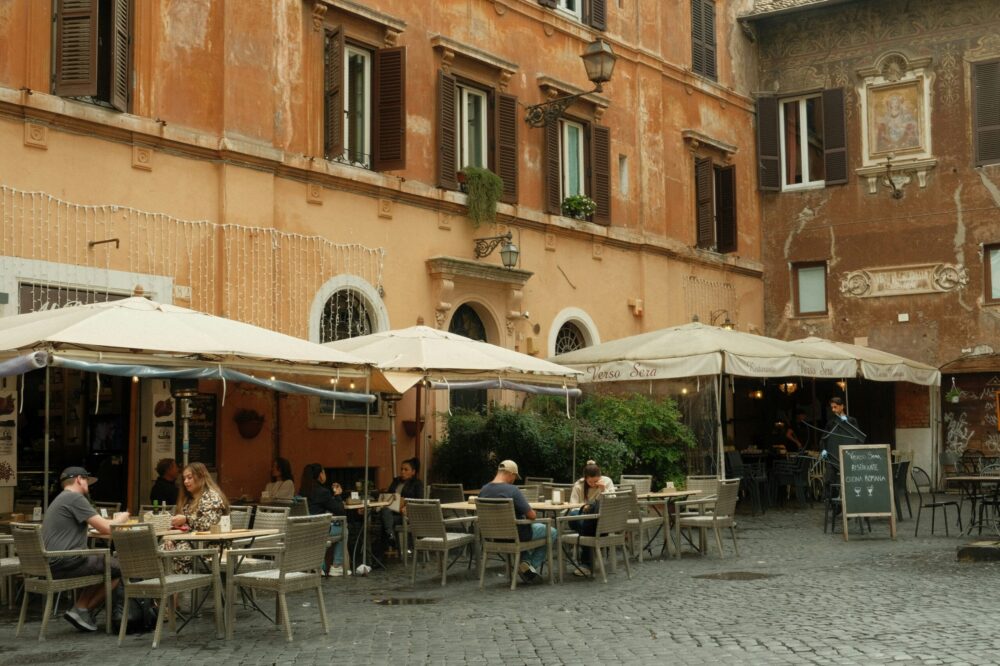
Rome’s cafe culture is a daily ritual that blends tradition with innovation. In 2026, the Eternal City offers an array of spots where you can enjoy a perfect espresso and a freshly baked croissant. Whether you’re a first-time visitor or a seasoned traveler, this guide will lead you to the best cafes in Rome for a coffee and croissant in 2026.
Table des matières:
Why Rome’s Cafe Scene in 2026 Stands Out
Rome’s coffee culture has evolved without losing its roots. The classic caffè (espresso) remains king, but specialty coffee roasters and artisanal bakeries have raised the bar. In 2026, you’ll find cafes that source single-origin beans, offer alternative brewing methods, and pair them with croissants (cornetti) that range from traditional butter to inventive fillings.
Key trends shaping Rome’s cafe scene in 2026:
- Specialty coffee: Third-wave cafes focusing on direct trade and precise roasting.
- Artisanal cornetti: Croissants made with high-quality butter, slow fermentation, and unique flavors like pistachio or fig.
- Sustainable practices: Compostable cups, local sourcing, and zero-waste initiatives.
- Hybrid spaces: Cafes that double as co-working spots or wine bars in the evening.
To help you navigate, we’ve curated a list of the best cafes in Rome for a coffee and croissant in 2026, categorized by neighborhood and vibe.
Centro Storico: Timeless Elegance
Sant’Eustachio Il Caffè
Since 1938, this iconic cafe near the Pantheon has been a benchmark for Roman espresso. Their secret blend and wood-fired roasting produce a thick, creamy crema. Pair it with a cornetto vuoto (plain croissant) for a classic start. Pro tip: Order at the counter (€1.20) instead of the table (€4.00) to save money and taste the authentic bar experience.
Ciambella Bar & Bistrot
Located on Via dell’Orso, this modern bistro serves specialty coffee from Ditta Artigianale. Their croissants are made in-house with a 48-hour fermentation, resulting in a flaky, buttery interior. The pistachio cream croissant is a must-try. Insider note: Arrive before 9 AM to avoid the queue.
Trastevere: Bohemian Vibes
Faro Caffè
Overlooking the Tiber River, Faro is a specialty coffee haven. They roast their own beans and offer single-origin espressos. Their laminated croissants are filled with seasonal jams like fig and rosemary. Don’t miss: The “Caffè Faro” – a double ristretto with a hint of cardamom.
Pasticceria De’ Bellis
This family-run pastry shop has been serving cornetti since 1960. Their cornetto alla crema (custard-filled) is legendary, with a light, airy dough. The coffee is a robust blend from a local roaster. Budget tip: A coffee and croissant combo costs €3.50.
Monti: Hip and Historic
Grano Caffè
Hidden on a quiet street, Grano is a micro-roastery that focuses on Ethiopian and Colombian beans. Their baristas are skilled in pour-over and AeroPress. The croissants are sourced from a nearby artisanal bakery and filled with Nutella or vegan options. Try: The flat white with oat milk – a rarity in Rome.
Pasticceria Boccione
Known for its Jewish-Roman pastries, Boccione offers a unique cornetto ricotta e pere (ricotta and pear). The coffee is strong and dark, perfect for dipping. Heads up: Cash only and limited seating.
Testaccio: Authentic Roman
L’Angolo Divino
A wine bar by night, but a cozy cafe by morning. Their espresso is from Torrefazione Cannaregio, and the croissants are baked fresh daily. The cornetto al miele (honey) is a local favorite. Local tip: Pair it with a glass of freshly squeezed orange juice for a true Roman breakfast.
Pasticceria Linari
This historic bakery has been operating since 1920. Their cornetto vuoto is the gold standard: crispy outside, soft inside. The coffee is a traditional Roman roast. Value: €2.50 for coffee and croissant.
Prati: Elegant and Refined
Caffè Castroni
Near the Vatican, Castroni is a deli-cafe that imports coffee from around the world. Their espresso is smooth, and the croissants are large and buttery. The cornetto al cioccolato (chocolate) is decadent. Pro tip: Buy a bag of their house blend to take home.
Pasticceria Siciliana Savia


Though Sicilian in origin, this cafe has become a Roman institution. Their cornetto alla crema di mandorle (almond cream) is exquisite. The coffee is strong and served with a small glass of water. Insider note: Try the granita in summer for a refreshing twist.
How to Order Like a Local
Avoid tourist traps by following these tips:
- Order at the counter: Pay first, then take your receipt to the barista.
- Specify your coffee: Caffè (espresso), cappuccino (only before 11 AM), caffè latte (hot milk with coffee), macchiato (espresso with a drop of milk).
- Choose your cornetto: Vuoto (plain), alla crema (custard), al cioccolato (chocolate), al pistacchio (pistachio), integrale (whole wheat).
- Eat at the bar: It’s faster and cheaper. If you sit, expect a surcharge.
Comparison: Traditional vs. Specialty Cafes
| Feature | Traditional Cafe | Specialty Cafe |
|---|---|---|
| Coffee style | Dark roast, thick crema | Light to medium roast, fruity notes |
| Cornetto style | Buttery, often mass-produced | Artisanal, slow-fermented |
| Price range | €1.00–€2.50 | €2.50–€5.00 |
| Atmosphere | Lively, quick service | Quiet, modern design |
| Best for | Authentic Roman experience | Quality-focused coffee lovers |
Mistakes to Avoid When Choosing a Cafe
- Ordering a cappuccino after 11 AM: Locals consider it a breakfast drink; order an espresso instead.
- Sitting down automatically: Always check if there’s a surcharge for table service.
- Ignoring the cornetto quality: A stale croissant ruins the experience; look for bakeries with high turnover.
- Sticking to tourist hubs: Venture into residential neighborhoods like Testaccio or San Lorenzo for better prices and authenticity.
People Also Ask
What is the typical price for coffee and croissant in Rome in 2026?
At a bar counter, expect €1.00–€2.50 for an espresso and €1.00–€2.00 for a cornetto. Table service can double the price.
Are there vegan or gluten-free options?
Yes, many specialty cafes offer plant-based milk and gluten-free cornetti. Faro Caffè and Grano Caffè are good options.
What time do Roman cafes open?
Most open around 7 AM for breakfast and close by 8 PM. Some specialty cafes stay open later for afternoon coffee.
Can I find specialty coffee in Rome?
Absolutely. The specialty coffee scene has grown rapidly. Look for cafes that roast their own beans or serve brands like Ditta Artigianale, Faro, or Grano.
Final Thoughts: Your 2026 Roman Coffee Ritual
Rome’s best cafes for a coffee and croissant in 2026 offer more than just caffeine and carbs – they provide a window into local life. Whether you prefer the timeless charm of Sant’Eustachio or the modern precision of Faro, each cafe tells a story. Start your day with a perfect espresso and a flaky cornetto, and you’ll understand why Romans cherish this ritual. Ready to explore? Grab your map and head to the nearest recommended spot – your taste buds will thank you.
Frequently Asked Questions
What is the best time to visit cafes in Rome?
Early morning (7–9 AM) for fresh cornetti and a relaxed atmosphere. Avoid lunchtime when cafes are crowded.
Do I need to tip in Roman cafes?
Tipping is not mandatory, but leaving small change (€0.10–€0.50) is appreciated for counter service. For table service, check if a service charge is included.
Can I get takeaway coffee?
Yes, but expect a small surcharge for paper cups. Many locals drink at the bar to save money and enjoy the social aspect.
Which neighborhood has the best cafes?
Trastevere and Monti are top choices for variety and quality. Centro Storico offers historic gems, while Testaccio provides authentic, budget-friendly options.
Are there cafes with Wi-Fi for remote work?
Yes, specialty cafes like Faro and Grano offer free Wi-Fi and power outlets. They are popular among digital nomads.
What is a cornetto vs. a croissant?
A cornetto is the Italian version, typically lighter and less buttery than a French croissant. It often contains more egg and sugar, and comes in various fillings.
Photo by Sara Abilova on Unsplash
Great guide! I’m planning a trip to Rome in 2026 and was wondering if these cafes are also good for remote work. Do any of them have reliable Wi-Fi and power outlets?
Yes, several of the cafes mentioned are hybrid spaces that cater to remote workers. Ciambella Bar & Bistrot and Grano Caffè both offer free Wi-Fi and plenty of power outlets. Faro Caffè also has a co-working vibe in the mornings. Just be mindful of peak hours (8-10 AM) when they’re busiest.
I’m gluten-intolerant. Do any of these cafes offer gluten-free croissants?
Absolutely. Grano Caffè in Monti has vegan and gluten-free croissant options. Also, Pasticceria De’ Bellis sometimes offers gluten-free cornetti, but it’s best to call ahead. For a dedicated gluten-free bakery, try Voglia di Pizza e… near Piazza Navona, though it’s not in this guide.
Thanks for the tip about ordering at the counter at Sant’Eustachio. That’s a huge price difference! Do other cafes have similar counter vs. table pricing?
Yes, many traditional Roman cafes have this pricing system. At Pasticceria De’ Bellis, ordering at the counter costs around €1.00 for espresso and €1.50 for a cornetto, while table service adds a surcharge. Specialty cafes like Faro and Grano typically have a single price for counter service. Always check the price list before sitting down.