
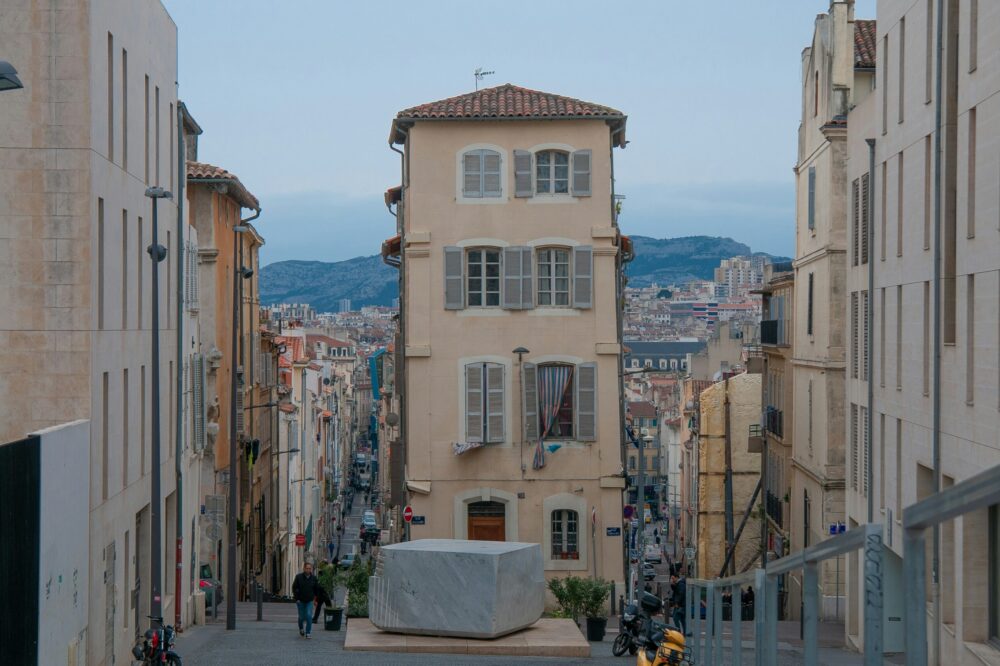
If you’re planning a trip to the south of France, you might be asking yourself: Is it safe to visit Marseille in 2026? The short answer is yes, but with some important caveats. Marseille is a vibrant, multicultural port city that attracts millions of visitors each year. Like any major urban destination, it has areas that require caution, but overall, it’s a safe city for tourists who stay informed and use common sense. This guide will break down everything you need to know about safety in Marseille in 2026, from neighborhood ratings to transport tips and health precautions.
Table des matières:
Understanding Marseille’s Safety Reputation
Marseille often gets a bad rap in the media, partly due to its portrayal in films and news reports focusing on crime. However, the reality for tourists is much more nuanced. The city has invested heavily in security, especially in preparation for major events like the 2024 Olympics (which included some matches in Marseille) and ongoing urban renewal projects. By 2026, these improvements will be even more established.
Key points to know:
- Marseille is not a dangerous city for the average tourist, but petty crime like pickpocketing is common in crowded areas.
- Violent crime is rare in tourist zones and is mostly concentrated in specific neighborhoods far from main attractions.
- Local authorities have increased police presence in the city center and around transport hubs.
What the Statistics Say
According to recent data (2023-2025), overall crime in Marseille has seen a slight decrease, particularly in theft and burglary. The city has a higher crime rate than the French average, but this is skewed by certain districts. Tourist areas like the Vieux-Port (Old Port), Le Panier, and the Corniche are generally safe, with a strong police presence.
Safest Neighborhoods for Tourists in 2026
Choosing the right area to stay can make a huge difference in your safety and enjoyment. Here are the top neighborhoods for visitors:
| Neighborhood | Safety Level | Why Stay Here |
|---|---|---|
| Vieux-Port (Old Port) | Very Safe | Heart of the city, many restaurants, attractions, and hotels. High police presence. |
| Le Panier | Safe | Historic district with narrow streets, boutique shops, and art galleries. Quiet at night. |
| La Corniche | Very Safe | Coastal road with stunning views, upscale hotels, and beaches. Ideal for families. |
| Endoume | Safe | Residential area near the coast, less touristy but charming and peaceful. |
| Mazargues | Safe | Quiet neighborhood near the Calanques, good for hikers and nature lovers. |
Neighborhoods to Exercise Caution
Some areas are best avoided, especially at night, if you’re not familiar with them. These include parts of the northern districts (like the 15th and 16th arrondissements), as well as the area around the Saint-Charles train station after dark (though the station itself is safe). Always check current local advice before venturing off the beaten path.
Common Safety Concerns and How to Avoid Them
Let’s address specific issues that travelers worry about when asking is it safe to visit Marseille in 2026.
Pickpocketing and Theft
This is the most common crime affecting tourists. Thieves operate in crowded places like the Old Port, markets, metro stations, and on public transport. They often work in groups or use distraction techniques.
- Keep valuables out of sight – use a money belt or anti-theft bag.
- Avoid keeping phones or wallets in back pockets.
- Be wary of strangers approaching you with petitions, games, or offers of help.
- Secure your belongings at beach or café tables.
Scams Targeting Tourists
Common scams include the “gold ring” trick (someone finds a ring and offers to sell it), fake charity petitions, and taxi overcharging. Use official taxi ranks or ride-hailing apps like Uber. Always agree on a price before taking a non-metered taxi.
Nightlife Safety
Marseille has a vibrant nightlife, especially around the Cours Julien and the Old Port. Stick to well-lit areas, travel in groups, and watch your drink. Avoid walking alone late at night in quiet streets.
Transportation Safety Tips
Getting around Marseille is generally safe, but here are specifics:
Public Transport (Metro, Bus, Tram)
The metro runs from 5 a.m. to around 12:30 a.m. (later on weekends). It’s safe during the day, but after 10 p.m., some stations can feel empty. Stick to main stations like Saint-Charles, Vieux-Port, and Castellane. Buses and trams are well-monitored.
Taxis and Rideshares
Use licensed taxis (look for the taxi sign on the roof) or apps like Uber and Bolt. Avoid unmarked cars. The ride from Marseille Provence Airport to the city center takes about 30 minutes and costs around €50-60.
Walking and Cycling
Marseille is walkable in the center, but be cautious at crossings (drivers can be aggressive). Bike-sharing (Le vélo) is available, but wear a helmet and lock your bike securely. The city is hilly, so be prepared for steep streets.
Health and Environmental Safety
Health concerns are part of the overall safety picture. Here’s what to know for 2026:
Air Quality
Marseille can have poor air quality due to traffic and industrial activity, especially in summer. If you have respiratory issues, check air quality indices and avoid outdoor exercise during peak pollution days.
Heat and Sun Exposure


Summers are hot, with temperatures often exceeding 30°C (86°F). Stay hydrated, wear sunscreen, and avoid the midday sun. Heatwaves can be dangerous, so plan indoor activities during the hottest hours.
Medical Facilities
Marseille has excellent hospitals, including the Hôpital de la Timone, one of the largest in France. Pharmacies are widely available and can treat minor ailments. EU citizens should carry an EHIC card; others need travel insurance.
Safety for Specific Travelers
Solo Travelers
Marseille is a great destination for solo travelers, especially if you stay in safe areas. Join walking tours, use hostel common rooms, and keep someone back home informed of your plans. Trust your instincts – if a place feels off, leave.
Families with Children
Family-friendly attractions like the Mucem museum, the Old Port, and the beaches are safe. Keep an eye on kids in crowded areas. The Parc Borély is a lovely green space for picnics and play.
Female Travelers
Women may experience occasional catcalling, especially in markets or on public transport, but serious harassment is rare. Dress modestly if visiting religious sites, and avoid walking alone late at night in deserted areas.
Practical Safety Checklist for Marseille 2026
Use this checklist before and during your trip to stay safe:
- Before you go: Check travel advisories from your government (e.g., UK Foreign Office, US State Department).
- Accommodation: Book in a safe neighborhood (see table above). Ensure your hotel has good reviews regarding security.
- Documents: Keep copies of your passport and travel insurance in a separate bag or cloud storage.
- Money: Carry only what you need for the day. Use credit cards where possible (chip and PIN is standard).
- Emergency numbers: Dial 112 for general emergencies (EU-wide), 17 for police, 15 for medical.
- Local SIM or eSIM: Have internet access for maps and communication.
- Learn basic French phrases: “Bonjour,” “Merci,” “S’il vous plaît” go a long way in getting help.
Mistakes to Avoid
Even savvy travelers can slip up. Here are common mistakes and how to avoid them:
- Flashing valuables: Wearing expensive jewelry or using your phone on the street late at night can attract thieves.
- Ignoring local advice: Ask your hotel receptionist about areas to avoid. They know the current situation best.
- Walking alone in the northern districts: These areas have higher crime rates and limited tourist infrastructure.
- Drinking tap water in some old buildings: While Marseille’s tap water is generally safe, some older pipes may cause discoloration. Stick to bottled water if unsure.
Is Marseille Safe in 2026 Compared to Other French Cities?
Compared to Paris, Marseille has a lower rate of pickpocketing in tourist areas but a higher rate of certain violent crimes in specific districts. Lyon and Nice are generally safer overall, but Marseille offers a unique, edgy charm that many travelers love. With proper precautions, the risk is minimal.
Final Thoughts on Safety in Marseille
So, is it safe to visit Marseille in 2026? Absolutely – if you stay aware, choose your neighborhood wisely, and take standard urban precautions. The city is full of culture, stunning coastline, and delicious food. Don’t let exaggerated safety fears stop you from experiencing one of France’s most authentic cities. Plan ahead, trust your instincts, and you’ll have a fantastic trip.
Ready to book your Marseille adventure? Check out our recommended tours and accommodations for a worry-free experience.
Frequently Asked Questions
Is Marseille safe for solo female travelers?
Yes, with common sense. Stay in central neighborhoods, avoid walking alone late at night, and use official taxis. Many solo female travelers enjoy Marseille without incident.
What is the most dangerous area in Marseille?
The northern districts (15th, 16th arrondissements) have higher crime rates and are best avoided by tourists. Stick to the central and southern parts of the city.
Can I drink tap water in Marseille?
Yes, tap water is safe to drink. In some older buildings, it may have a slight metallic taste, but it’s not harmful. Bottled water is widely available.
Is the Marseille metro safe at night?
The metro is generally safe until closing time, but some stations can be deserted after 10 p.m. Use well-lit stations and travel with others if possible. Consider taking a taxi after dark.
Do I need to speak French to stay safe?
Not necessarily, but knowing basic phrases helps. English is spoken in tourist areas, but locals appreciate any effort to speak French. For emergencies, you can use English with police or medical staff.
How is the police presence in Marseille?
Police are visible in tourist zones, especially around the Old Port and major attractions. There are also tourist police patrols. If you feel unsafe, approach a police officer or go to a nearby shop or hotel for help.
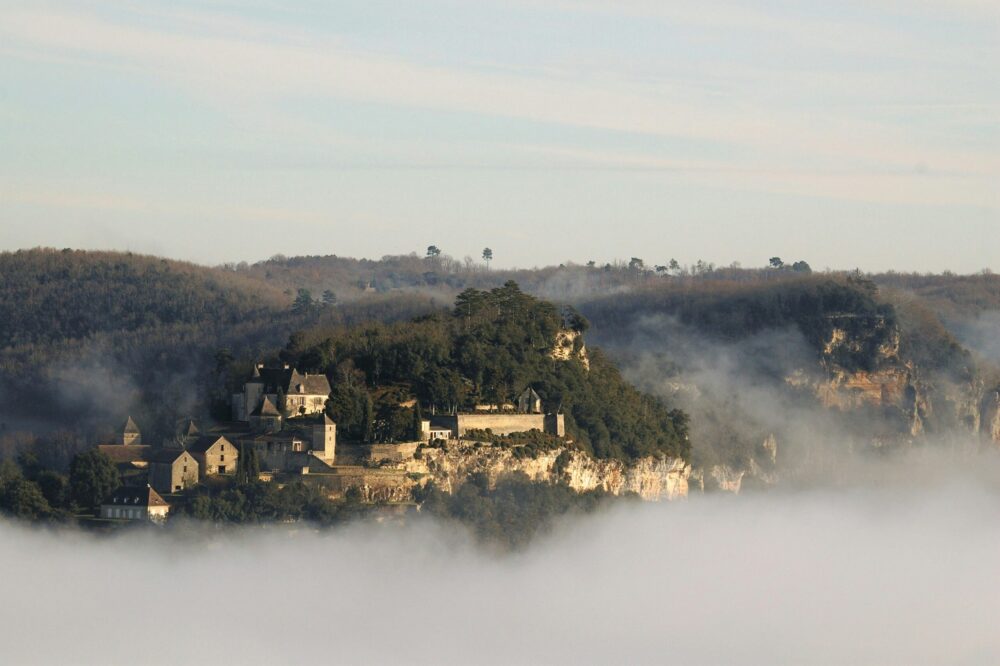
Photo by Natalia Gusakova on Unsplash
Is it safe to walk around the Vieux-Port at night? I’d like to enjoy some evening restaurants.
Yes, the Vieux-Port is generally very safe at night due to high police presence and many people around. Just stay aware of your belongings.
I’m planning to stay near the Saint-Charles train station. The article says to be cautious after dark—should I choose a different area?
The station itself is safe, but the immediate surroundings can feel sketchy late at night. Consider staying in the Vieux-Port or Le Panier and taking a short taxi or metro ride to the station when needed.
Thanks for the neighborhood table! Are there any specific safety tips for using public transport in Marseille?
Keep your valuables secure and avoid displaying expensive items. The metro and buses are generally safe, but be extra cautious during peak hours and at night. Stick to well-lit stops.
I’ve heard about pickpocketing on the beaches. Is that a real concern in 2026?
Pickpocketing can occur on crowded beaches like Plage des Catalans. Never leave your belongings unattended, and consider using a waterproof pouch worn under your clothes.
What about the Calanques? I want to hike there but worry about safety.
The Calanques are safe for hiking during daylight. Stick to marked trails, bring water, and check weather conditions. Avoid hiking alone late in the day.
Great article! One thing I’m wondering: are there any areas near the Old Port that are less safe at night? I’m a solo female traveler.
The Old Port itself is very safe, but side streets leading away from the main square can be quieter. Stick to well-lit main roads, and you’ll be fine. Also consider staying in accommodations with good reviews for solo travelers.
Marseille sounds safer than I thought. Is it true that violent crime rarely affects tourists?
Yes, violent crime against tourists is extremely rare. Most incidents are petty theft. By staying in recommended neighborhoods and using common sense, you minimize risks significantly.