
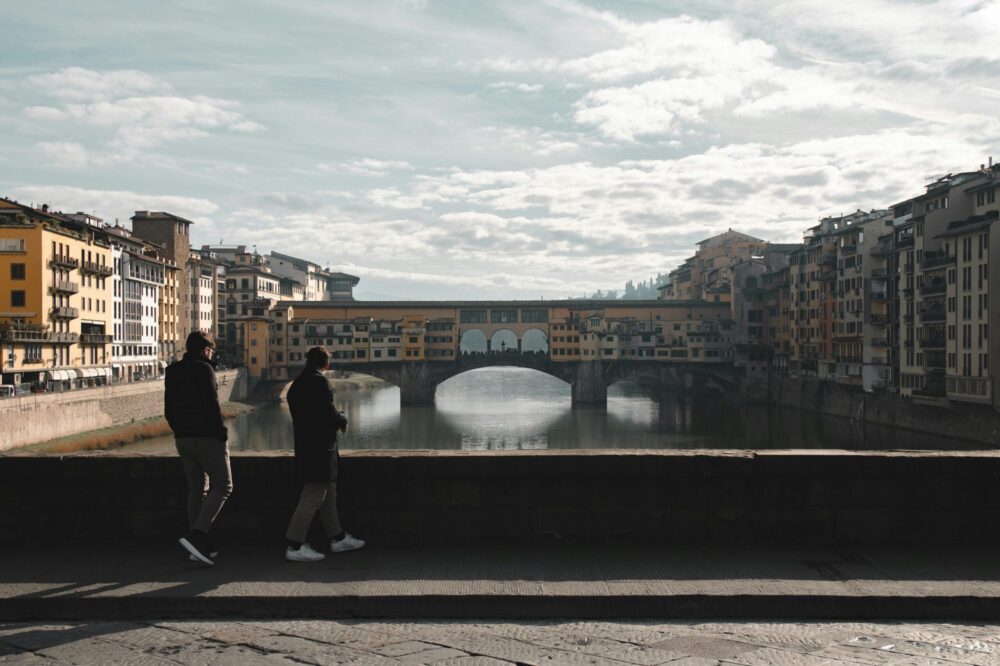
Florence is a city that worships coffee. But if you’re avoiding caffeine—whether for health, preference, or a late-afternoon pick-me-up—finding a truly excellent caffè decaffeinato can feel like a quest. Many cafés serve watery, bitter decaf that ruins the ritual. Not in 2026. Florence’s coffee scene has evolved, with roasters now treating decaffeinated beans with the same respect as their caffeinated counterparts. This guide reveals exactly where to get the best caffè decaffeinato in Florence this year, covering historic cafés, specialty roasteries, and hidden gems.
Table des matières:
Why Decaf in Florence Deserves Attention
Italian coffee culture is built on ritual: the morning espresso at the bar, the afternoon macchiato, the post-dinner digestivo. Decaf—or caffè decaffeinato—was once an afterthought, often made from low-quality beans. But a shift has happened. Artisan roasters now source high-altitude Arabica, use gentle decaffeination methods (like Swiss Water or CO2 process), and roast specifically to preserve flavor. In 2026, Florence’s best decaf rivals regular espresso in complexity. The key is knowing where they take it seriously.
Top Picks for Caffè Decaffeinato in Florence (2026 Edition)
I’ve tested dozens of cafés across the city, from tourist-heavy piazzas to quiet side streets. These are the standouts for flavor, consistency, and overall experience.
1. Ditta Artigianale – Specialty Decaf Done Right
Address: Via dei Neri, 30R (and other locations)
Why it’s great: Ditta Artigianale is Florence’s flagship specialty coffee roaster. Their decaf is a single-origin Colombian, processed using the sugarcane method (a natural ethyl acetate process). The result: a creamy espresso with notes of milk chocolate and caramel, zero bitterness, and a thick crema. The baristas are trained to dial in decaf separately—rare in Italy.
Try this: Order a caffè decaffeinato at the bar (€1.20) or a flat white with oat milk. Their pastries (try the pistachio croissant) pair perfectly.
2. Caffè Gilli – Historic Elegance with Consistent Decaf
Address: Via Roma, 1R (Piazza della Repubblica)
Why it’s great: Opened in 1733, Gilli is a Florentine institution. Their decaf comes from a traditional Italian roaster (Caffè Corsini) and is a medium-dark blend. It’s smooth, full-bodied, and served with the same silver tray and chocolate as their regular espresso. The setting—crystal chandeliers, marble counters—makes it worth the premium price.
Tip: Sit at the bar for the authentic experience; table service costs extra. Their decaf is also available in whole beans to take home.
3. La Ménagère – Trendy Spot with a Decaf House Blend
Address: Via de’ Ginori, 8R
Why it’s great: This concept store-café-restaurant roasts its own beans. Their decaf is a blend of Brazilian and Ethiopian Arabicas, decaffeinated via CO2 process. It’s fruity, with a clean finish—surprisingly bright for a decaf. The atmosphere is Instagram-worthy (floral installations, vintage furniture), but the coffee is serious.
Order: Ask for a caffè decaffeinato americano (long black) to appreciate the flavor notes. They also offer decaf cold brew in summer.
4. Caffè degli Artigiani – Off-the-Beaten-Path Artisan Choice
Address: Via dello Sprone, 6R (Oltrarno)
Why it’s great: Tucked in the artisan district, this tiny café roasts its own beans in a small batch. Their decaf is a single-origin Peruvian, Swiss Water processed. It’s exceptionally smooth, with a nutty profile and low acidity. The owner, a passionate roaster, will happily explain their decaf process.
Insider tip: Visit on a weekday morning to avoid crowds. Their decaf espresso is €1.00—one of the best values in town.
5. Le Botteghe di Firenze – Decaf for Take-Home or Drink In
Address: Via del Corso, 34R
Why it’s great: This specialty shop and café focuses on Tuscan products. Their decaf beans come from a cooperative in Chiapas, Mexico, decaffeinated using the mountain water method. The espresso is balanced, with hints of stone fruit and a silky mouthfeel. They also sell the beans for home brewing.
Don’t miss: Pair your decaf with a slice of schiacciata (Tuscan flatbread) with olive oil.
What to Look for in a Great Decaf Espresso
Not all decaf is created equal. Here’s a checklist to ensure you’re getting the best caffè decaffeinato in Florence:
- Ask about the decaffeination method: Swiss Water, CO2, or sugarcane methods preserve flavor. Avoid solvent-based processes.
- Check the roast date: Specialty cafés often display roast dates. Decaf is best within 2–4 weeks of roasting.
- Look for single origin: Blends can hide lower-quality beans. Single-origin decafs often taste cleaner.
- Observe the crema: A good decaf should have a thick, hazelnut-colored crema. Thin or absent crema means stale beans or poor extraction.
- Barista knowledge: If the barista can tell you the origin and process, you’re in the right place.
Decaf Mistakes to Avoid in Florence
Even at good cafés, you can end up with a subpar decaf if you don’t order smart. Here are common pitfalls:
- Ordering at tourist-trap bars: Cafés near the Duomo or Ponte Vecchio often use pre-ground decaf from a supermarket packet. Avoid.
- Asking for “caffè decaffeinato” without specifying: Some places automatically use a cheap decaf. If you see a generic packet, walk away.
- Expecting the same flavor as regular espresso: Decaf will never taste identical, but it should be delicious in its own right.
- Drinking it too late: Decaf still contains trace caffeine (about 2–5 mg per cup). If you’re ultra-sensitive, avoid after 6 PM.
Beyond Espresso: Other Decaf Options in Florence
Florence’s coffee culture is espresso-centric, but a few places offer alternatives:
- Decaf cold brew: Available at Ditta Artigianale and La Ménagère during summer. Smooth and refreshing.
- Decaf cappuccino: Italians traditionally drink cappuccino only in the morning, but specialty cafés serve it all day. Ask for cappuccino decaffeinato.
- Decaf filter coffee: Pour-over or Chemex decaf is rare but offered at Le Botteghe di Firenze and Ditta Artigianale.
How to Find the Freshest Decaf Beans to Brew at Home
Want to enjoy Florentine decaf after you leave? These roasteries sell whole beans for home brewing:
| Roastery | Decaf Origin | Process | Price (250g) |
|---|---|---|---|
| Ditta Artigianale | Colombia | Sugarcane (EA) | €12 |
| La Ménagère | Brazil/Ethiopia blend | CO2 | €11 |
| Caffè degli Artigiani | Peru | Swiss Water | €10 |
| Le Botteghe di Firenze | Mexico | Mountain Water | €13 |
All four offer online shipping within Italy, and some ship internationally. Ask in-store for storage tips: keep beans in an airtight container away from light and heat.
Frequently Asked Questions About Caffè Decaffeinato in Florence
Is decaf coffee widely available in Florence?
Yes, most cafés offer decaf, but quality varies widely. Stick to the specialty spots listed above for a great cup. Avoid generic bars in high-tourist areas.
How do I order decaf coffee in Italian?
Say “Un caffè decaffeinato, per favore” (for an espresso). For a decaf cappuccino, say “Un cappuccino decaffeinato.” Note: Italians rarely drink cappuccino after 11 AM, but specialty cafés are flexible.
Does decaf coffee still have caffeine?
Yes, trace amounts. A typical decaf espresso contains about 2–5 mg of caffeine, compared to 60–80 mg in regular espresso. If you’re highly sensitive, consider a caffeine-free herbal tea instead.
What is the best decaffeination method for flavor?
Swiss Water Process, CO2 Process, and Sugarcane (Ethyl Acetate) method are considered the best for preserving bean flavor. Avoid solvent-based methods like methylene chloride.
Can I buy decaf beans to take home from Florence?
Absolutely. Ditta Artigianale, La Ménagère, Caffè degli Artigiani, and Le Botteghe di Firenze all sell whole beans. Ask for the roast date to ensure freshness.
Are there any decaf coffee tours in Florence?
While not decaf-specific, Ditta Artigianale offers roasting workshops that include tasting their decaf. Private coffee tours can be arranged through local food tour companies—request decaf in advance.
Final Sip: Your 2026 Decaf Adventure in Florence
Finding the best caffè decaffeinato in Florence in 2026 is no longer a compromise. The city’s coffee renaissance has elevated decaf to a craft. Whether you’re lingering at a historic café like Gilli or grabbing a quick shot at Ditta Artigianale, you can enjoy a rich, flavorful espresso without the jitters. Use this guide as your map, and don’t be afraid to ask baristas about their beans. Buona degustazione—and may your decaf always be fresh.
Photo by Nicola Pavan on Unsplash
Great guide! I’m visiting Florence next month and love a good decaf. Do any of these cafés offer decaf beans for purchase to bring home?
Yes, several do! Ditta Artigianale sells their sugarcane-process decaf beans in bags. Caffè Gilli also offers their Corsini decaf whole beans to take home. La Ménagère sometimes has their CO2-process blend available too—just ask at the counter.
I’ve had terrible decaf in Italy before—watery and sour. How do these places ensure their decaf doesn’t taste like that?
They treat decaf with the same care as regular espresso. Ditta Artigianale uses high-altitude single-origin beans and trains baristas to dial in decaf separately. La Ménagère roasts their own decaf blend in small batches. The key is gentle decaffeination methods (like Swiss Water or CO2) that preserve flavor, plus proper extraction.