
Rome is a city where coffee is a ritual, not just a beverage. The best espresso in Rome in 2026 is still found in the same places that have perfected the art for decades—but with a few new contenders. Whether you’re a first-time visitor or a seasoned traveler, knowing where to go for that perfect shot of caffè can make or break your Roman holiday. This guide cuts through the tourist traps and points you to the authentic bars, roasters, and hidden corners where locals sip their daily espresso.
Table des matières:
What Defines the Best Espresso in Rome?
A great Roman espresso is a balance of three things: the beans, the machine, and the barista. Romans typically drink a single shot (about 25ml) of dark-roasted, low-acidity coffee with a thick, golden crema. It’s served in a preheated ceramic cup, and you drink it standing at the bar—fast. In 2026, the trend leans toward specialty roasters and single-origin beans, but traditional bars still rule.
The Anatomy of a Perfect Shot
- Crema: A dense, hazelnut-colored layer that holds its shape for at least 10 seconds
- Temperature: 88-92°C (190-198°F) – hot but not scalding
- Body: Velvety mouthfeel, not watery or thin
- Flavor: Bold, slightly bitter, with notes of dark chocolate and dried fruit
Top 10 Places for the Best Espresso in Rome in 2026
These are the bars that consistently deliver excellence. I’ve organized them by neighborhood to make planning easier.
Centro Storico (Historic Center)
1. Sant’Eustachio Il Caffè
A legend since 1938. Their espresso is sweet and creamy, thanks to a secret blend and a unique roasting process. The bar is always busy, but the line moves fast. Pro tip: Order a caffè con panna (with whipped cream) for a treat.
2. Caffè Tazza d’Oro
Near the Pantheon, this roastery uses a blend of 100% Arabica beans from South America. Their espresso is smooth and fragrant. They also sell beans to take home. 2026 update: They now offer a single-origin Ethiopian option on weekends.
3. Sciascia Caffè
A tiny bar near Piazza Navona. Their espresso is robust, with a thick crema and a hint of cinnamon in the blend. The owner, Marco, is a third-generation barista who takes pride in every shot.
Trastevere
4. Caffè di Marzio
Overlooking Piazza Trilussa, this spot has a loyal local following. Their espresso is strong and full-bodied, served with a glass of water (as is customary). Don’t miss: The espresso granita in summer.
5. La Caffetteria
A modern roastery that opened in 2020 but has quickly become a favorite. They focus on light roasts and single origins. Their espresso is fruity and complex—a departure from the traditional Roman style but excellent nonetheless.
Monti and Esquilino
6. Caffè Mariani
A family-run bar near the Colosseum. The espresso is classic Roman: dark, intense, and served with a smile. The pastries are also top-notch.
7. Faro Caffè
In the trendy Monti district, this specialty coffee shop sources beans from small producers. Their espresso is bright and clean, with notes of citrus and jasmine. 2026 note: They now have a second location in Trastevere.
Prati and Vatican
8. Caffè Castroni
A historic bar near the Vatican that also sells gourmet products. Their espresso is reliable and affordable. The atmosphere is old-school, with marble counters and brass fixtures.
9. Sciam Caffè
A hidden gem in Prati. The owner is a coffee geek who experiments with different roast profiles. Their espresso changes weekly based on what’s fresh. Ask for: A double ristretto if you want a punch.
Testaccio
10. Caffè del Teatro
In the heart of the Testaccio market, this bar serves a no-nonsense espresso that pairs perfectly with a maritozzo (cream-filled bun). It’s a local favorite for a reason.
How to Order Espresso Like a Roman in 2026
Avoid common tourist mistakes. Here’s a quick checklist:
- Go to the counter first. Pay at the register, then give your receipt to the barista.
- Order a caffè (espresso). If you want a double, say caffè doppio.
- Drink it at the bar. Sitting down costs extra (often €1-2 more).
- Don’t ask for cappuccino after 11 AM. Locals consider it a breakfast drink.
- Don’t add sugar first. Taste the espresso; if it’s bitter, then add a pinch of sugar.
Traditional vs. Specialty Espresso: Which Is Better?
Rome offers both. Traditional espresso (like at Sant’Eustachio) is dark-roasted, thick, and consistent. Specialty espresso (like at Faro Caffè) is lighter, more acidic, and highlights origin flavors. Both are valid, but here’s a comparison:
| Aspect | Traditional | Specialty |
|---|---|---|
| Roast level | Dark | Light to medium |
| Flavor profile | Chocolate, caramel, bitter | Fruity, floral, acidic |
| Crema | Thick, persistent | Thinner, more delicate |
| Price | €1.00-1.20 | €1.50-2.50 |
| Typical bar | Historic, crowded | Modern, quieter |
For the best experience, try both styles. Start with a classic at Sant’Eustachio, then explore specialty at Faro.
Common Mistakes to Avoid When Searching for Great Espresso
- Relying on hotel coffee. Most hotels serve mediocre espresso from automatic machines.
- Going to chains. Starbucks in Rome is fine if you need a latte, but for real espresso, avoid it.
- Ignoring the machine. A good espresso machine (La Marzocco, Nuova Simonelli) is a sign of quality.
- Ordering a latte. In Italy, a latte is just milk. Order a caffè latte or macchiato.
Where to Buy Beans or Take a Coffee Tour
If you want to bring the experience home, these roasters sell beans:
- Sant’Eustachio – Their blend is available in 250g bags.
- Tazza d’Oro – Multiple blends and single origins.
- Faro Caffè – Rotating selection of specialty beans.
For a deeper dive, consider a coffee tour with Rome Coffee Experience or Espresso Tours Rome. They take you to 3-4 bars and explain the history and technique.
Frequently Asked Questions About Espresso in Rome
Is it cheaper to drink espresso at the bar?
Yes. Standing at the bar costs €1.00-1.20, while sitting at a table can be €2.50-5.00.
What is the best time of day for espresso?
Anytime, but most Romans have one after breakfast, after lunch, and mid-afternoon. Avoid cappuccino after 11 AM.
Can I get decaf espresso in Rome?
Yes, ask for caffè decaffeinato. Most bars have it, but the quality varies.
Do I need to tip for espresso?
No. Tipping is not expected for a €1 coffee. You can leave small change if you want.
What is a caffè corretto?
An espresso with a shot of liquor (usually grappa, sambuca, or brandy). It’s a digestif.
Are there any new coffee bars in Rome in 2026?
Yes. Look for Orto Caffè in San Lorenzo and Materia Caffè in Garbatella. Both focus on sustainable sourcing and modern brewing methods.
Final Sip: Your 2026 Espresso Map
Finding the best espresso in Rome in 2026 is about knowing where to look and how to order. Start with the classics: Sant’Eustachio, Tazza d’Oro, and Sciascia. Then explore the specialty scene at Faro and La Caffetteria. Use the checklist above to avoid rookie mistakes. And remember: the best espresso is the one you enjoy, standing at a bar, surrounded by Romans doing the same. Salute!
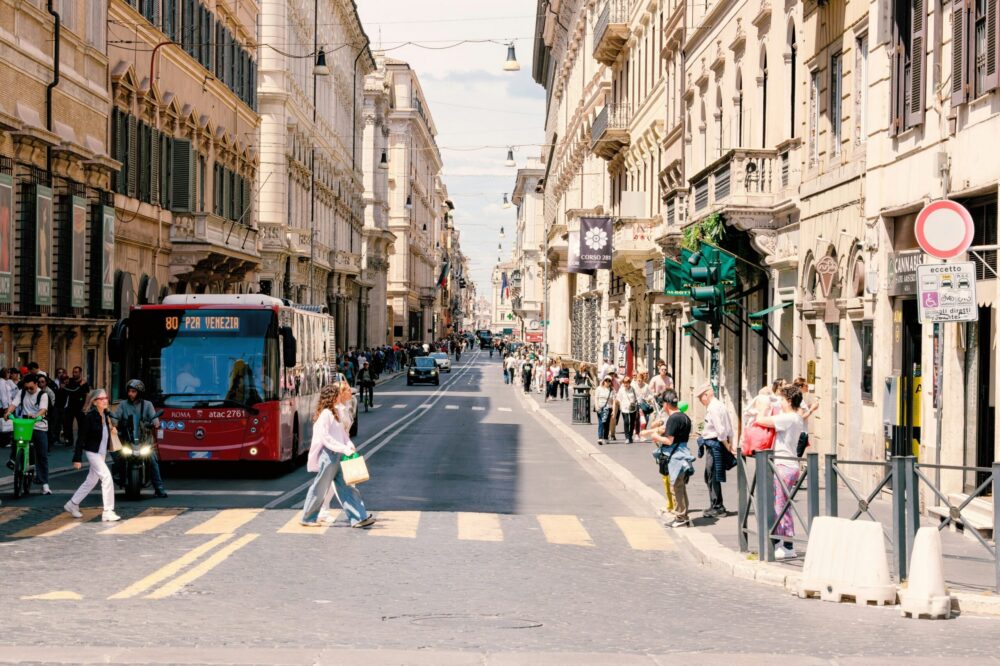
Photo by Daniel Gynn on Unsplash
Great guide! I’m planning a trip to Rome next spring and love espresso. Do you have any tips for ordering like a local at the bar? I’ve heard it’s different from other countries.
Absolutely! To order like a local, simply walk up to the bar, say ‘Un caffè, per favore,’ and drink it standing up. Don’t ask for a latte or cappuccino after 11 AM—that’s a tourist giveaway. Pay at the register first if there’s a ‘cassa’ sign, then take your receipt to the barista.
I notice you mention Sant’Eustachio as a top spot. I’ve been there and the espresso was indeed sweet and creamy. But I’ve also heard rumors they add sugar to the blend. Is that true?
That’s a common myth! Sant’Eustachio does not add sugar to the beans. The sweetness comes from their unique roasting process and the use of a water-cooled grinder that prevents heat from altering the flavor. It’s pure coffee magic, not added sugar.
Thanks for including Faro Caffè. I’m a fan of lighter roasts and single origins, so it’s good to know there’s a specialty option in Monti. Do they offer pour-over or just espresso?
Faro Caffè is primarily an espresso bar, but they also serve filter coffee (pour-over and Chemex) if you ask. Their espresso is their specialty, though, and they rotate single origins frequently. Definitely worth a visit for coffee enthusiasts!