
Table des matières:
Why Hydration Matters in Barcelona During Spring
Barcelona in spring offers mild temperatures, blooming parks, and vibrant street life. However, the Mediterranean climate can be deceptive. With average highs reaching 20°C (68°F) in April and May, combined with dry winds and strong sun, your body loses water faster than you might expect. Dehydration can sneak up, causing fatigue, headaches, and reduced enjoyment of your trip. Knowing how to stay hydrated in Barcelona in spring is not just about comfort—it’s essential for your health and energy levels.
This guide covers practical strategies, from tap water safety to refill stations, local hydration habits, and what to avoid. Whether you’re a tourist exploring Gaudí’s masterpieces or a resident cycling to work, these tips will keep you refreshed.
Is Tap Water in Barcelona Safe to Drink?
Yes, Barcelona’s tap water is safe and meets EU quality standards. It comes from the Llobregat and Ter rivers and is treated rigorously. However, many locals and visitors notice a distinct taste due to chlorine and mineral content. Some people find it slightly salty or metallic. If you dislike the flavor, use a reusable bottle with a built-in filter or add a slice of lemon. For most, drinking tap water is perfectly fine and helps reduce plastic waste.
Tap Water vs. Bottled Water: What Locals Do
Many Barcelona residents drink bottled water at home, but they also use tap water for cooking and coffee. In restaurants, you’ll be offered bottled water (still or sparkling). You can always ask for agua del grifo (tap water) for free. Some cafés will provide it without issue, but it’s not always automatic. To save money and stay eco-friendly, carry your own bottle and refill it.
Best Reusable Water Bottles for Barcelona in Spring
Choosing the right bottle makes hydration easier. Look for insulated stainless steel to keep water cool in the afternoon sun. A 500ml to 750ml capacity is ideal for day trips. Popular options include:
- Hydro Flask – excellent insulation, durable
- Nalgene – lightweight, wide mouth for easy cleaning
- Brita Fill & Go – built-in filter improves tap water taste
Avoid single-use plastic bottles; Barcelona has banned them in many public spaces, and refill stations are widespread.
Where to Refill Your Water Bottle for Free
Barcelona has a growing network of public drinking fountains and refill points. Here’s where to find them:
- Public fountains (font públiques): Over 1,700 fountains across the city, many with potable water. Look for the green faucet symbol.
- Museums and cultural centers: Most have free water stations, especially in lobbies or near restrooms.
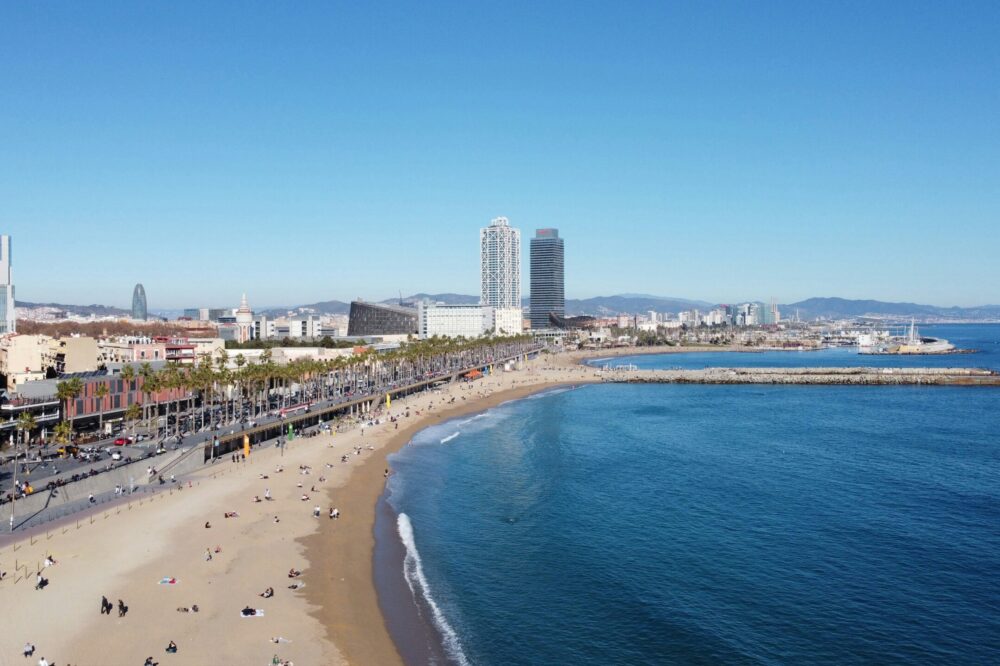
- Beaches: Foot showers and drinking fountains are available along Barceloneta, Bogatell, and Nova Icària.
- Parks: Ciutadella, Montjuïc, and Güell have multiple fountains. Check the Barcelona city map for exact locations.
- Cafés and restaurants: Ask politely; many will refill your bottle for free, especially if you buy a small item.
For a digital guide, download apps like Refill Barcelona or Plastic Free Barcelona that show nearby stations.
Checklist: What to Carry for Easy Hydration
| Item | Why It Helps |
|---|---|
| Reusable water bottle (500ml-1L) | Always have water handy |
| Water filter or purification tablets | If you’re sensitive to taste |
| Electrolyte powder or tablets | Replenish salts after sweating |
| Small backpack or crossbody bag | Carry bottle hands-free |
How Much Water Should You Drink in Spring?
The general recommendation is 2-3 liters per day for adults, but in Barcelona’s spring climate, you may need more if you’re active. Walking 10-15 km daily (common for tourists) increases fluid loss. Monitor your urine color: pale yellow means well-hydrated; dark yellow indicates you need more water. Also, pay attention to thirst, dry mouth, and fatigue.
Adjusting for Activity and Sun Exposure
If you plan to hike in Collserola or cycle along the coast, add 500ml per hour of exercise. The sun in April and May can be intense, especially between 12 PM and 4 PM. Wear a hat and light clothing, and sip water every 15-20 minutes. Avoid waiting until you feel thirsty.
Local Drinks That Help Hydration
While water is best, some local beverages can contribute to your fluid intake:
- Orxata (horchata): A refreshing tiger nut milk, popular in spring. Low in sugar if homemade.
- Granissat: Crushed ice with fruit syrup (lemon or almond). Not too sweet, but watch the sugar.
- Agua de Valencia: A cocktail of cava, orange juice, vodka, and gin. Not hydrating – alcohol dehydrates. Limit intake.
- Fresh fruit juices (zumo natural): Orange juice is abundant; dilute with water to reduce sugar.
Remember: caffeinated coffee and tea also have a mild diuretic effect, but in moderate amounts they still contribute to hydration. Balance with plain water.
Common Hydration Mistakes to Avoid
- Only drinking when thirsty: Thirst is a late signal. Sip regularly.
- Relying on alcohol or sugary drinks: They can worsen dehydration.
- Ignoring early symptoms: Headache, dizziness, and dark urine are red flags.
- Using plastic bottles that leach chemicals in heat: Metal or glass is safer.
- Forgetting electrolytes: If you sweat heavily, plain water isn’t enough. Add a pinch of salt or an electrolyte tablet.
Hydration Tips for Specific Situations
For Tourists on a Tight Schedule


If you’re hopping between attractions, plan refill stops. Many museums (like Picasso Museum or MACBA) have free water stations. Also, the Barcelona Tourist Bus includes water on board. Pack a small bottle and top up at every opportunity.
For Families with Kids
Children dehydrate faster. Bring a fun, colorful bottle and set a timer to remind them to drink. Offer water-rich snacks like watermelon, cucumber, or oranges, available at local markets like La Boqueria.
For Outdoor Enthusiasts
If you’re running or cycling, use a hydration pack or belt. The city’s bike lanes and paths (like the Carretera de les Aigües) have few fountains, so carry extra water. Pre-hydrate before exercise and rehydrate after with electrolytes.
What to Do If You Feel Dehydrated
If you experience thirst, dry mouth, fatigue, or headache, act immediately:
- Find shade or an air-conditioned space (museums, shops, or the Metro).
- Sip water slowly – don’t gulp, as it may cause nausea.
- If you’ve been sweating heavily, consume an electrolyte drink or eat a salty snack like olives or pretzels.
- Rest for 15-20 minutes before continuing.
Severe symptoms like confusion, rapid heartbeat, or fainting require medical attention. Call 112 for emergencies.
Frequently Asked Questions
Can I drink tap water in Barcelona hotels?
Yes, tap water in hotels is safe. Some hotels provide complimentary bottled water, but you can also fill your own bottle from the bathroom tap.
Are there water refill stations in Barcelona metro stations?
Not typically, but many stations have public restrooms with sinks where you can refill. Alternatively, exit and use nearby cafés or fountains.
Is it safe to drink from public fountains in Barcelona?
Yes, most are potable. Look for signs indicating aigua potable (drinking water). Avoid fountains that look rusty or have stagnant water.
What is the best way to carry water while sightseeing?
A reusable bottle with a carabiner or a crossbody bag with a bottle pocket. Hands-free is best for taking photos and navigating crowds.
Does Barcelona have a problem with plastic waste?
Yes, but the city is actively reducing single-use plastics. Many public fountains and refill stations are part of the Barcelona + Sostenible initiative. You can help by using a reusable bottle.
Can I find electrolyte drinks easily in Barcelona?
Yes, pharmacies (farmàcies) sell oral rehydration salts and sports drinks. Supermarkets also carry brands like Aquarius or Isostar. For a natural option, mix water with a pinch of salt and lemon juice.
Final Thoughts on Staying Hydrated in Barcelona in Spring
Staying hydrated in Barcelona in spring is simple with a little planning. Carry a reusable bottle, know where to refill, and listen to your body. The city’s mild weather is perfect for exploration, but it can still lead to fluid loss. By following these tips, you’ll have more energy, avoid headaches, and fully enjoy Barcelona’s spring charm. Cheers to a well-hydrated adventure!
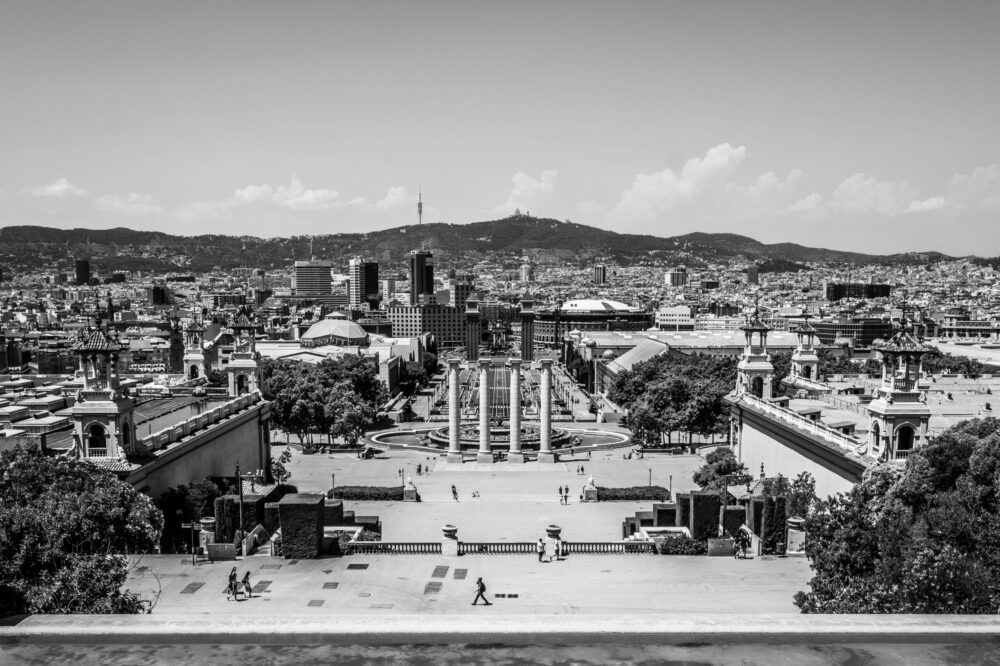
Photo by Lazar Krstić on Unsplash
Great article! I’m planning a trip to Barcelona in April and was wondering about the tap water. Is it really safe to drink everywhere, or are there some areas where it’s better to stick to bottled water?
Yes, tap water is safe throughout Barcelona, as the entire city uses the same treated supply. However, some older buildings may have pipes that affect taste, but not safety. For peace of mind, a filtered bottle is a great option.
I’m a local and I’ve noticed the public fountains are great, but some of them seem to be dry in spring. Is there a map or app that shows which ones are working?
Good question! The city publishes a map of public fountains with status updates. You can find it on the Barcelona City Council website or use apps like ‘Barcelona Fonts’ that show real-time availability. Most fountains in central parks and along the beaches are reliable during spring.