
Table des matières:
Why a Walking Tour Is the Best Way to Explore Toulouse
Toulouse, known as La Ville Rose for its distinctive pink terracotta brick buildings, is a city best explored on foot. A walking tour of Toulouse’s highlights allows you to absorb the atmosphere, discover hidden courtyards, and move at your own pace. This self-guided itinerary covers the must-see landmarks, local favorites, and practical tips to make the most of your visit.
Start at Place du Capitole: The Heart of Toulouse
Begin your walking tour at Place du Capitole, the grand central square. The square is dominated by the Capitole building, which houses the city hall and the Théâtre du Capitole. The façade features eight marble columns and the Occitan cross. The square itself is enormous, paved with pink and gray stones forming a cross pattern. In the middle, look for the Occitan cross and the zodiac signs.
What to See at Place du Capitole
- Capitole building: Free entry to the courtyard and some rooms. Don’t miss the Salle des Illustres with its grand paintings.
- Occitan cross: A symbol of the region, embedded in the pavement.
- Statues and fountains: The square is surrounded by cafes and shops.
Tip: Arrive early to avoid crowds, especially on Saturday when the square hosts a flower market.
Rue d’Alsace-Lorraine and the Victor Hugo Market
From Place du Capitole, head southeast along Rue d’Alsace-Lorraine, a major shopping street. After a short walk, you’ll reach the Marché Victor Hugo, a covered market that is a feast for the senses. This is a perfect spot to taste local specialties like cassoulet, foie gras, and violets de Toulouse (candied violets).
Practical Tips for the Market
- Best time to visit: Morning, from 7 AM to 1 PM (closed Monday).
- Must-try: A plate of oysters or a sandwich with duck confit.
- Photography: Vibrant displays of produce and flowers.
Basilica of Saint-Sernin: A Romanesque Masterpiece
Next, walk north to the Basilica of Saint-Sernin, a UNESCO World Heritage site and one of the largest Romanesque churches in Europe. Its distinctive octagonal bell tower and brick construction are iconic. Inside, admire the 11th-century frescoes, the marble altar, and the crypt containing relics of Saint Saturnin.
Why Saint-Sernin Is a Must-See
- Architecture: Perfect example of Romanesque style with Toulouse brick.
- History: Built in the 11th-12th centuries on the pilgrimage route to Santiago de Compostela.
- Climb the tower: For a panoramic view of the city (small fee).
Rue du Taur and the Old Quarter
After Saint-Sernin, head south down Rue du Taur, one of the oldest streets in Toulouse. This street is lined with historic mansions, including the Hôtel d’Assézat, a Renaissance palace now housing the Fondation Bemberg art museum. The street leads back toward the Capitole, but take a detour into the Quartier des Carmes for a more local feel.
Hidden Gems in the Old Quarter
- Courtyards: Many private courtyards are open to the public, such as the Cour de la Bourse.
- Rue des Filatiers: A narrow street with artisan shops and cafes.
- Place des Carmes: A lively square with a market on Sunday mornings.
Garonne Riverbanks: Pont Neuf and the Riverside
From the old quarter, walk west toward the Garonne River. The riverbanks are a UNESCO-listed site and offer a peaceful escape. The Pont Neuf (New Bridge) is actually the oldest bridge in Toulouse, built in the 16th century. It’s a great spot for photos, especially at sunset.
Activities on the Riverbanks
- Walk or bike: The paths are perfect for a stroll or a bike ride.
- Picnic: Grab food from a market and enjoy the riverside lawns.
- Boat tours: You can take a short cruise on the Garonne.
Jacobins Convent and the Church of the Jacobins
Cross back into the city center to visit the Jacobins Convent, a stunning Gothic complex. The church features a remarkable palm tree vault in the apse, with ribs spreading like a palm frond. The cloister and gardens are tranquil. This site also houses the relics of Saint Thomas Aquinas.


Key Highlights of the Jacobins
- Palm tree vault: Unique in Gothic architecture.
- Cloister: A peaceful courtyard with a well.
- Exhibitions: The convent often hosts contemporary art shows.
Place Saint-Pierre and the Nightlife Hub
Conclude your walking tour at Place Saint-Pierre, a lively square on the left bank of the Garonne. This area is famous for its bars and restaurants, especially in the evening. The square is adjacent to the Daurade Bridge and offers a great view of the Pont Neuf.
What to Do at Place Saint-Pierre
- Apéro: Enjoy a pre-dinner drink at one of the terraces.
- Dinner: Try a restaurant specializing in cassoulet.
- Sunset: The square is a prime spot for sunset views over the river.
Practical Checklist for Your Walking Tour
| Item | Tip |
|---|---|
| Start time | 9:00 AM to avoid crowds and heat |
| Duration | 3-4 hours with stops |
| Footwear | Comfortable walking shoes |
| Water | Bring a reusable bottle; there are public fountains |
| Navigation | Use offline maps; streets can be narrow |
| Best day | Weekdays for fewer crowds; Saturday for markets |
Common Mistakes to Avoid on a Toulouse Walking Tour
- Skipping the riverbanks: Many tourists stay in the center and miss the peaceful Garonne.
- Not trying local food: The markets and restaurants are part of the experience.
- Overplanning: Leave room for spontaneous discoveries.
- Ignoring hidden courtyards: Some of the best architecture is behind closed doors.
Frequently Asked Questions
How long does a walking tour of Toulouse’s highlights take?
This self-guided route takes about 3-4 hours at a relaxed pace, including short stops at each landmark.
Is Toulouse walkable?
Yes, the city center is compact and pedestrian-friendly. All major highlights are within walking distance.
What is the best time of day for a walking tour?
Morning or late afternoon to avoid the midday heat and enjoy softer light for photos.
Are there guided walking tours in Toulouse?
Yes, but this self-guided route is flexible and covers all the key sights without a fee.
What should I wear for a walking tour in Toulouse?
Comfortable shoes and layered clothing, as the weather can change. In summer, bring a hat and sunscreen.
Can I combine this walking tour with other activities?
Absolutely. Add a visit to the Cité de l’Espace or a boat cruise on the Garonne for a full day.
Final Thoughts on the Best Route for a Walking Tour of Toulouse’s Highlights
This walking tour of Toulouse’s highlights offers a perfect blend of history, architecture, local culture, and scenic beauty. Starting at the Capitole and ending at Place Saint-Pierre, you’ll experience the essence of the Pink City. Whether you’re a first-time visitor or returning to explore more, this route ensures you don’t miss the iconic landmarks while leaving room for spontaneous discoveries. Lace up your walking shoes and immerse yourself in Toulouse’s charm.
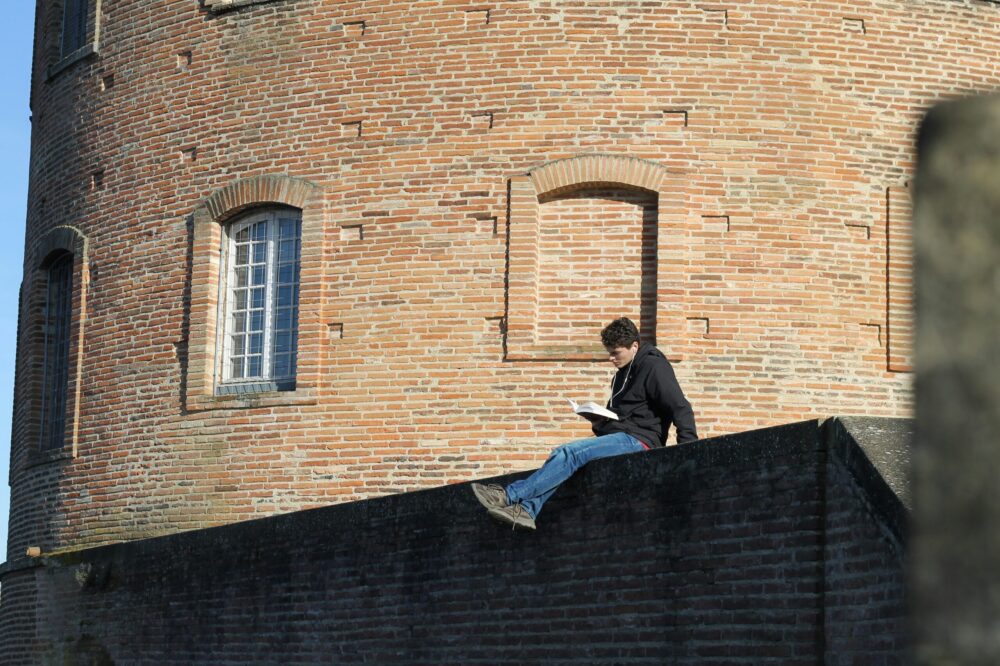
Photo by Dave Photoz on Unsplash

This route sounds great, but I’m traveling with someone who has limited mobility. Are the streets and sidewalks generally flat and easy to navigate?
Toulouse is relatively flat, especially the historic center covered in this route. Sidewalks are generally wide and in good condition. However, some streets like Rue du Taur have cobblestones, which can be uneven. I’d recommend taking it slowly and using the many benches in squares like Place du Capitole for rests.
Thanks for the detailed itinerary! One question: how long does this walking tour typically take if you stop for photos and a quick lunch at Victor Hugo Market?
You’re welcome! With photo stops and a quick lunch at the market, plan for about 3-4 hours. If you want to climb the Saint-Sernin tower or explore the Fondation Bemberg museum, add another hour or so. The route is about 2 miles (3.2 km) total, so it’s a comfortable half-day outing.