
Last updated on May 3rd, 2026 at 10:34 pm
If you’re planning a trip to the Pink City and wondering whether the Japanese gardens in Toulouse are worth visiting, the short answer is yes—especially if you appreciate serene landscapes, cultural authenticity, and a peaceful escape from urban bustle. But to help you decide, this guide covers everything from the garden’s design and seasonal highlights to practical tips and nearby attractions.
Table des matières:
What Makes the Jardin Japonais Pierre Baudis Special?
Located within the larger Jardin Compans Caffarelli, the Jardin Japonais Pierre Baudis is a 7,000-square-meter authentic Japanese garden. It was designed by landscape architect Takashi Sawano and inaugurated in 1991. The garden features a central pond, a traditional tea pavilion, stone lanterns, and meticulously pruned trees—elements that reflect the ancient principles of Japanese garden design.
Key Features of the Garden
- Central Pond: Home to koi carp and surrounded by azaleas, irises, and bamboo.
- Tea Pavilion: A wooden structure where tea ceremonies are occasionally held.
- Stone Lanterns: Authentic Kasuga-style lanterns add historical authenticity.
- Dry Landscape: A small karesansui (rock garden) with raked gravel.
- Bridges: A curved wooden bridge and stepping stones that guide visitors through the garden.
Is It Worth Visiting Compared to Other Japanese Gardens in Europe?
While not as large as the Japanese Garden in Paris’s Botanical Garden or the one in Brussels, Toulouse’s version is considered one of the most authentic in France. Its compact size means you can explore it in 30 to 45 minutes, making it a perfect stop during a day of sightseeing. The garden is free to enter, which adds to its value.
Comparison Table: Toulouse vs. Other Japanese Gardens
| Garden | Size | Admission | Authenticity |
|---|---|---|---|
| Jardin Japonais Toulouse | 7,000 m² | Free | High |
| Jardin Japonais Paris (Bois de Vincennes) | 5,000 m² | Free | High |
| Japanese Garden in Brussels | 20,000 m² | Paid | Very high |
Best Time to Visit the Japanese Gardens in Toulouse
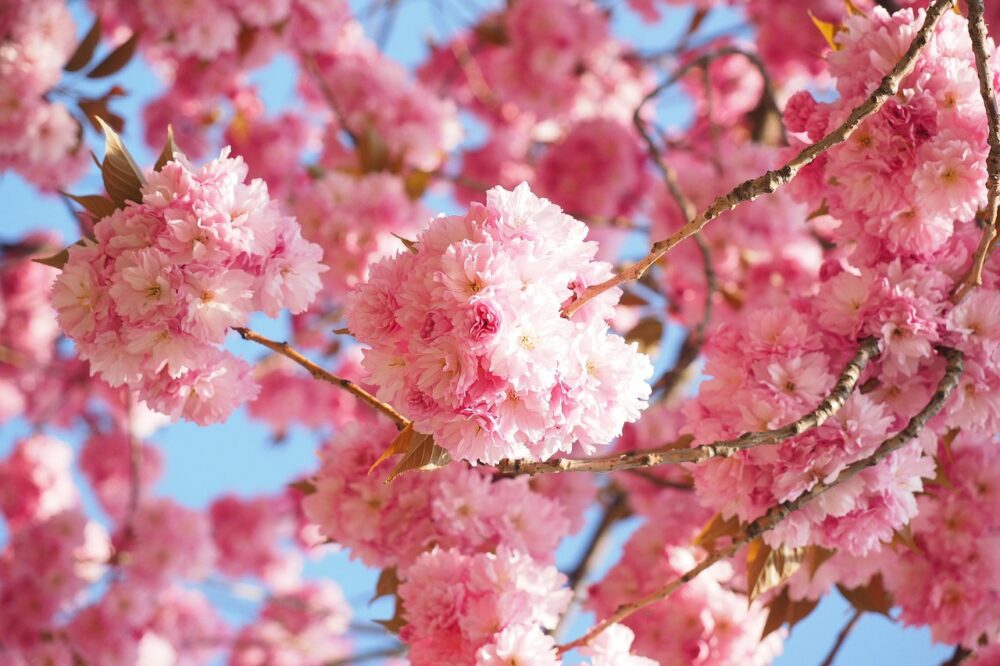
Spring (April to June) is the peak season, when cherry blossoms and azaleas are in full bloom. Autumn offers stunning red and orange foliage. Summer can be hot, but the garden’s shade provides relief. Winter has a stark beauty, with bare branches and misty ponds.
Seasonal Highlights Checklist
- 🌸 Spring: Cherry blossoms, azaleas, wisteria
- 🍁 Autumn: Maple leaves, ginkgo trees
- ☀️ Summer: Lotus flowers, lush greenery
- ❄️ Winter: Peaceful stillness, frost on stones
How to Get to Jardin Japonais Pierre Baudis
The garden is located in the Compans Caffarelli district, a 15-minute walk from the Capitole. You can also take metro line B to Compans-Caffarelli station. Parking is limited, so public transport is recommended.
Nearby Attractions to Combine with Your Visit
- Jardin Compans Caffarelli: The surrounding park offers lawns, a lake, and a rose garden.
- Saint-Pierre Bridge: A scenic view of the Garonne River.
- Musée des Augustins: Fine arts museum with a peaceful cloister.
- Japanese Cultural Center: Often hosts exhibitions and workshops.
Common Mistakes Visitors Make
Some visitors rush through the garden without noticing the details. Others visit during the hottest part of the day, missing the soft morning light. A few ignore the etiquette—like not feeding the koi or walking on the grass. Take time to sit on a bench and absorb the atmosphere.
Tips for a Fulfilling Experience
- Visit early morning or late afternoon for fewer crowds.
- Bring a camera—the reflections in the pond are stunning.
- Check for special events like tea ceremonies (usually in spring or autumn).
- Combine with a picnic in the adjacent park.
People Also Ask About the Japanese Gardens in Toulouse
Is the Japanese garden in Toulouse free?
Yes, the Jardin Japonais Pierre Baudis is completely free to enter, making it an affordable attraction.
How long does it take to visit the Japanese garden?
Most visitors spend 30 to 45 minutes exploring the garden, though you can linger longer if you wish.
Can you have a picnic in the Japanese garden?
Picnicking is not allowed inside the Japanese garden itself, but the surrounding Compans Caffarelli park has plenty of grassy areas.
Are dogs allowed in the garden?
Dogs are generally not permitted inside the Japanese garden to preserve the tranquility and plants.
What is the best time of day to visit?
Early morning or late afternoon offers the best light and fewer visitors. Midday can be crowded and hot in summer.
Final Verdict: Are the Japanese Gardens in Toulouse Worth Visiting?
Absolutely. Whether you’re a garden enthusiast, a photography lover, or just seeking a quiet moment, the Japanese gardens in Toulouse offer a genuine slice of Japanese culture in southwestern France. It’s a free, easily accessible, and beautifully maintained space that enriches any Toulouse itinerary. Pair it with a stroll through the surrounding park and a visit to the nearby cultural sites for a memorable half-day experience.
Frequently Asked Questions
Is the Japanese garden in Toulouse authentic?
Yes, it was designed by a Japanese landscape architect and features authentic elements like a tea pavilion, stone lanterns, and a karesansui garden.
What is the address of the Japanese garden?
It is located within Jardin Compans Caffarelli, 1 Boulevard Lascrosses, 31000 Toulouse, France.
Are there restrooms nearby?
Public restrooms are available in the Compans Caffarelli park, near the garden entrance.
Can I take photos in the garden?
Yes, photography is allowed for personal use. Drones are not permitted.
Is the garden wheelchair accessible?
The main paths are wheelchair accessible, though some areas with stepping stones may be challenging.
When is the garden open?
The garden is open daily from 8:00 am to 8:00 pm in summer (until 6:00 pm in winter). Hours may vary on holidays.




Is the garden accessible for wheelchair users?
Yes, the Jardin Japonais Pierre Baudis is mostly flat with paved paths, making it accessible for wheelchairs and strollers. The main areas like the pond and tea pavilion are reachable, though some stepping stones may be tricky.
I’m planning a trip in July. Will the garden still be enjoyable despite the heat?
Absolutely! The garden offers plenty of shade from trees and bamboo, and the pond creates a cooling effect. Visit early morning or late afternoon to avoid peak heat. Plus, summer brings lush greenery and lotus flowers.
Are there any guided tours or audio guides available for the garden?
The garden is free and self-guided. No official audio guides are offered, but you can find informational panels in French and English. For a deeper understanding, consider reading about Japanese garden design beforehand or joining a free walking tour that includes the Compans Caffarelli area.
How much time should I allocate for the garden if I want to see it thoroughly?
Most visitors spend 30 to 45 minutes exploring the garden. If you want to sit by the pond and relax, allow up to an hour. It’s a compact space, so you can easily combine it with a visit to the larger Jardin Compans Caffarelli.
I’m a photographer. Are there any restrictions on photography in the garden?
Photography for personal use is allowed and encouraged. Tripods may be permitted if not disruptive, but it’s best to be considerate of other visitors. Commercial photography requires prior permission from the city.
Is the tea pavilion open to the public, or is it only for ceremonies?
The tea pavilion is a decorative structure and not typically open for public entry. However, occasional tea ceremonies are held on special days, such as during the Japan Festival. Check local event listings for updates.