

Barcelona’s coastline beckons with golden sands and the Mediterranean’s shimmering blue. But if you’re planning a spring visit, you might wonder: is it safe to swim in Barcelona in spring? The short answer is yes—but with some important caveats. Spring in Barcelona (March to May) offers milder weather, fewer crowds, and often pleasant sea conditions. However, water temperatures are cooler, and certain factors like jellyfish blooms or occasional storms can affect safety. This guide covers everything you need to know to enjoy a safe and refreshing spring swim in Barcelona.
Table des matières:
Understanding Barcelona’s Spring Weather and Sea Conditions
Spring in Barcelona is transitional. March can still feel like winter, while May edges toward summer warmth. Average air temperatures range from 12°C (54°F) in March to 20°C (68°F) in May. Sea temperatures follow suit, starting around 13°C (55°F) in March and rising to 18°C (64°F) by late May.
Water Temperature: What to Expect Month by Month
Here’s a quick breakdown of average sea temperatures in Barcelona during spring:
| Month | Average Sea Temperature | Comfort Level |
|---|---|---|
| March | 13°C (55°F) | Cold – wetsuit recommended |
| April | 15°C (59°F) | Cool – brave swimmers only |
| May | 18°C (64°F) | Pleasant for most swimmers |
For most people, swimming is comfortable when water temperatures exceed 18°C. That means late May is ideal, while March and April require a wetsuit or a quick dip. If you’re used to colder water, you’ll find spring swimming invigorating.
Water Quality and Safety Standards
Barcelona’s beaches are monitored regularly for water quality. The city’s coastline consistently meets European Union standards for clean bathing water. However, spring can bring occasional rainstorms that cause runoff, temporarily affecting water quality.
Blue Flag Beaches and Monitoring
Most of Barcelona’s beaches—including Barceloneta, Bogatell, and Nova Icària—hold Blue Flag status, indicating excellent water quality and safety. The Catalan Water Agency tests water samples weekly during the bathing season (which starts in May). In spring, testing begins in April, so early spring swimmers rely on year-round data, which is generally positive.
Pro tip: Check the Platges de Barcelona app or website for real-time water quality flags. Green means safe, yellow indicates caution, and red means no swimming.
Stormwater Runoff Risks
After heavy rain, avoid swimming for at least 24–48 hours. Rain can wash pollutants from streets into the sea. Barcelona’s sewage system has improved, but it’s still wise to wait. Spring showers are common, so check the forecast before heading to the beach.
Beach Safety: Lifeguards, Flags, and Hazards
Lifeguard services on Barcelona beaches are seasonal. In spring, lifeguards typically start on April 1st (Semana Santa) and operate daily from 10:00 to 18:00. Outside these hours, swim at your own risk.
Flag Warning System
- Green flag: Safe to swim
- Yellow flag: Caution – moderate conditions, weak swimmers should stay out
- Red flag: Dangerous – swimming prohibited
Always obey flag warnings. In spring, strong winds (like the Tramuntana) can create sudden rip currents, even on calm days. Rip currents are the leading cause of rescues on Barcelona beaches.
How to Spot and Escape a Rip Current
Rip currents are narrow channels of fast-moving water flowing away from shore. They often appear as darker, calmer patches between breaking waves. If caught in one:
- Don’t panic – stay afloat.
- Swim parallel to the shore, not against the current.
- Once free, swim diagonally back to the beach.
Spring’s variable weather makes rip currents more unpredictable, so stay vigilant.
Jellyfish and Marine Life in Spring
Jellyfish are a common concern for swimmers in Barcelona. Spring sees the arrival of species like the Pelagia noctiluca (mauve stinger) and the Rhizostoma pulmo (barrel jellyfish). While most stings are mild, they can be painful.
Jellyfish Season and Hotspots
Jellyfish blooms usually peak in late spring and summer. However, wind and currents can push them inshore earlier. Beaches like Barceloneta and Bogatell are more prone due to their shape. Check the MedusApp or local beach alerts for real-time jellyfish sightings.
What to Do If Stung


- Rinse the area with seawater (not fresh water, which activates stinging cells).
- Remove tentacles with tweezers or a gloved hand.
- Apply vinegar or baking soda paste to neutralize venom.
- Seek medical help if you experience severe pain or allergic reaction.
Lifeguard stations carry first aid supplies. In spring, fewer lifeguards mean you should carry your own vinegar if you’re prone to stings.
Best Beaches for a Spring Swim in Barcelona
Not all beaches are equal in spring. Some offer calmer waters, better facilities, or more shelter from wind.
Top Spring Swim Spots
| Beach | Why It’s Good in Spring | Notes |
|---|---|---|
| Bogatell | Less crowded, cleaner water, gentle slope | Lifeguards from April; good for families |
| Nova Icària | Sheltered cove, calm waters | Ideal for early spring; wind protection |
| Mar Bella | Nudist-friendly, quieter, natural feel | Fewer amenities but more space |
| Barceloneta | Central, lively, easy access | Can be windy; water quality good |
For a truly peaceful spring swim, head north of the city to beaches like Montgat or Ocata, which are less crowded and often have better water quality.
Essential Spring Swimming Safety Checklist
Before you dive in, run through this checklist to ensure a safe experience:
- ☐ Check the weather forecast – avoid swimming during or right after rain.
- ☐ Look at the beach flags and obey them.
- ☐ Verify lifeguard hours – if none, swim with a buddy.
- ☐ Assess water temperature – consider a wetsuit if below 18°C.
- ☐ Scan for jellyfish warnings on apps or signs.
- ☐ Know how to identify rip currents.
- ☐ Stay hydrated and protect your skin – spring sun can still burn.
- ☐ Enter the water gradually to avoid cold shock.
Common Mistakes to Avoid
Even experienced swimmers make errors in spring conditions. Here are pitfalls to sidestep:
- Overestimating your tolerance: 13°C water can cause hypothermia quickly. Limit your swim to 10–15 minutes in early spring.
- Ignoring wind conditions: Offshore winds can blow inflatables out to sea. Stick to swimming parallel to shore.
- Swimming alone: Spring beaches are quieter. Always swim where others are present or bring a friend.
- Forgetting sun protection: Spring UV rays can be strong, especially reflected off water. Use reef-safe sunscreen.
Frequently Asked Questions
Is the water too cold for swimming in Barcelona in March?
Yes, for most people. March sea temperatures average 13°C, which is cold. Only experienced cold-water swimmers or those with wetsuits should attempt it. A quick dip is possible but not comfortable for extended swimming.
Are there jellyfish in Barcelona in spring?
Yes, jellyfish can appear as early as March, especially after storms. The most common species are the mauve stinger and barrel jellyfish. Check local alerts before swimming.
Do Barcelona beaches have lifeguards in spring?
Lifeguards typically start on April 1st (around Semana Santa). Before that, beaches are unguarded. In May, full services are in place.
Can I swim in Barcelona after rain?
It’s best to wait 24–48 hours after heavy rain to avoid polluted runoff. Check water quality reports online.
What is the best month for swimming in Barcelona in spring?
Late May offers the warmest water (around 18°C) and pleasant air temperatures. It’s the most comfortable time for a spring swim.
Are there dangerous currents in Barcelona beaches?
Rip currents can occur, especially during windy conditions. Always swim near lifeguard stations and heed flag warnings. Spring’s variable weather increases risk.
Final Thoughts on Spring Swimming in Barcelona
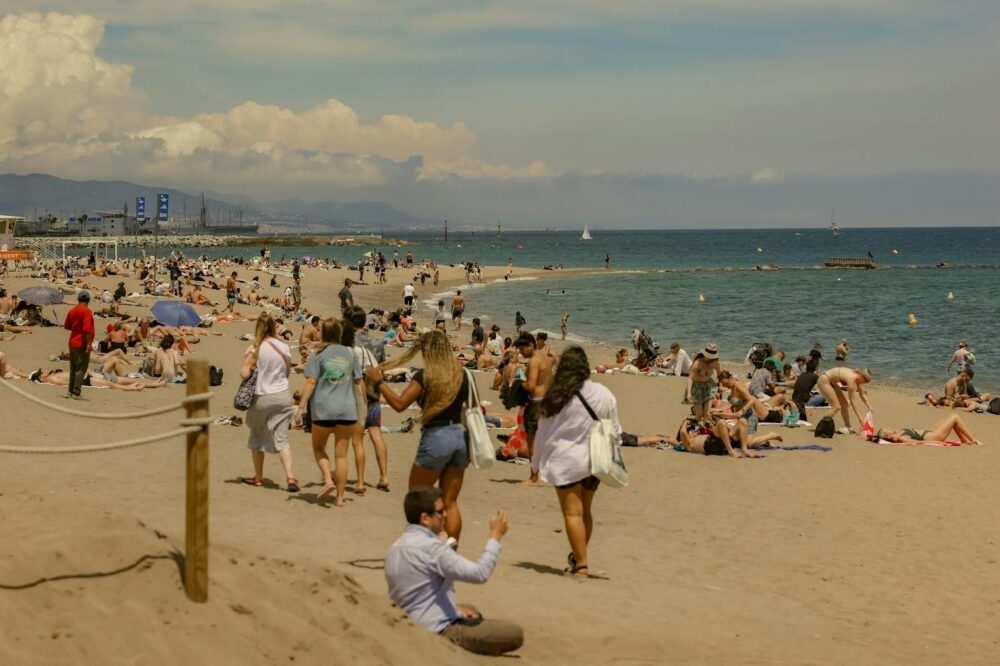
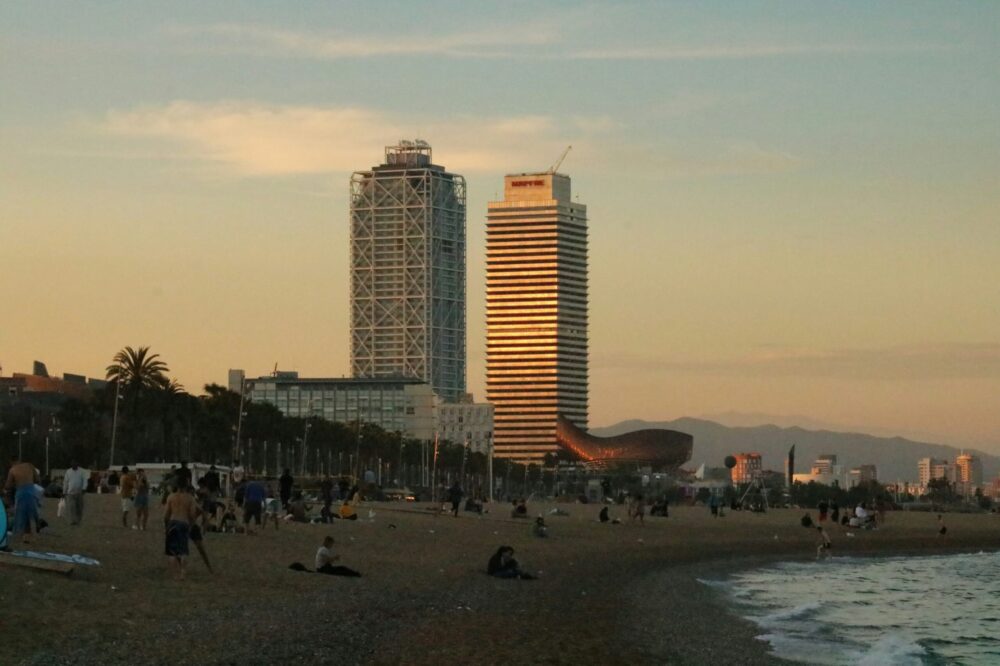
So, is it safe to swim in Barcelona in spring? Absolutely—if you prepare properly. The key is to respect the cooler water, stay informed about conditions, and choose your beach wisely. Spring offers a unique charm: fewer crowds, cleaner sands, and a refreshing dip that wakes up your senses. Whether you’re a local or a visitor, a spring swim in Barcelona can be a highlight of your trip—just pack a wetsuit for early season and always check the flags. Enjoy the Mediterranean!


I’m planning a trip in early April. Is it worth bringing a wetsuit, or can I manage with just a quick dip?
In early April, the sea temperature is around 15°C (59°F), which is quite cool. A wetsuit will definitely make your swim more comfortable and allow you to stay in longer. If you’re just planning a quick dip, you might manage without, but it will be bracing. Many locals wear wetsuits until late May.