
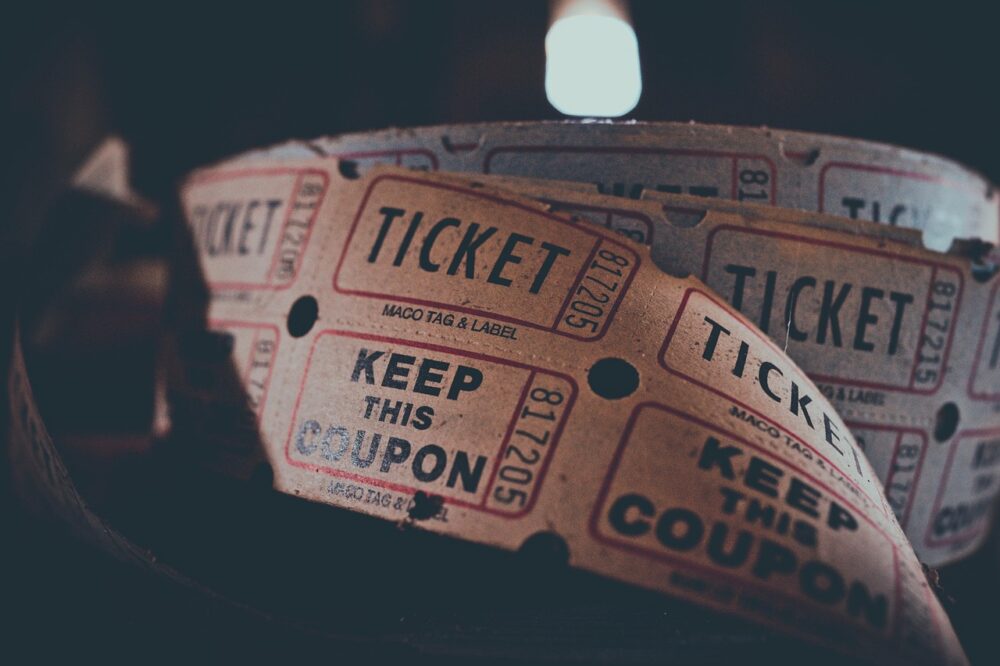
Table des matières:
Why Train Travel in Europe Can Be Expensive – And How to Beat the System
Europe’s rail network is world-class, but ticket prices can skyrocket if you don’t plan ahead. A same-day ticket from Paris to Amsterdam might cost €150, while booking two months in advance could slash that to €35. The secret lies in understanding pricing dynamics, leveraging discounts, and using the right tools. This guide reveals actionable methods to secure cheap train tickets in Europe without sacrificing comfort or convenience.
Understanding Dynamic Pricing and How to Outsmart It
Most European train operators use dynamic pricing—tickets get more expensive as the departure date approaches and seats fill up. This is especially true for high-speed trains like France’s TGV, Germany’s ICE, and Italy’s Frecciarossa. Regional trains, however, often have fixed prices. Here’s how to use this to your advantage:
- Book early: For high-speed and intercity trains, book as soon as tickets are released (usually 3–6 months ahead). The cheapest fares—often called “Sparpreis” in Germany or “Prem’s” in France—sell out quickly.
- Travel off-peak: Midday Tuesday or Wednesday departures are cheaper than Monday morning or Friday evening. Early morning or late evening trains also offer lower prices.
- Avoid holiday rushes: Christmas, Easter, and summer weekends see peak fares. If your schedule is flexible, aim for shoulder seasons (April–May, September–October).
Best Booking Platforms and Price Comparison Tools
Don’t rely solely on national rail websites. Aggregators and third-party platforms can uncover deals you might miss.
Top Platforms for Cheap Train Tickets
| Platform | Best For | Key Feature |
|---|---|---|
| Trainline | Cross-border routes | Price prediction alerts |
| Omio | Comparing trains, buses, and flights | Multi-modal search |
| Rail Europe | Eurail/Interrail passes | Official reseller |
| Loco2 (now Trainline) | France, Spain, Italy | Easy refund policies |
Pro tip: Use incognito mode when searching—some platforms track cookies and may raise prices after repeated searches.
Rail Passes vs. Point-to-Point Tickets: Which Saves More?
Many travelers assume a Eurail or Interrail pass is always cheaper. In reality, passes are cost-effective only for long-distance, multi-country trips with frequent train changes. For a single journey or short regional hops, point-to-point tickets are often cheaper.
When to Choose a Pass
- You plan to visit 4+ countries in 2 weeks.
- You want maximum flexibility (hop on any train without booking).
- You’re under 27 (youth discounts apply).
When to Buy Individual Tickets
- You’re traveling only 1–2 countries.
- You can book in advance for discount fares.
- You prefer reserved seats (passes often require seat reservations at extra cost).
Discount Cards and Loyalty Programs
National rail operators offer discount cards that pay for themselves after a few trips.
- Germany’s BahnCard: 25%, 50%, or 100% discount on flex fares. The BahnCard 25 costs €62 and gives 25% off all tickets for a year.
- France’s Carte Avantage: €49/year, gives 30% off TGV and Intercités, plus capped fares for kids.
- Italy’s CartaFreccia: Free to join, offers points and occasional discounts.
- Switzerland’s Half-Fare Card: CHF 185/year for 50% off all Swiss trains, boats, and buses.
If you’re visiting a single country, buying that country’s discount card can drastically reduce costs.
Hidden Tricks for Ultra-Cheap Tickets
Beyond standard advice, these lesser-known strategies can unlock rock-bottom prices:
- Split ticketing: Instead of buying a direct ticket from A to C, buy separate tickets from A to B and B to C. This works because each segment may have its own discount fare. Example: London to Edinburgh via York can save up to 40%.
- Use regional trains for short hops: A regional train (e.g., RE, IR) costs a fraction of a high-speed train for the same route. It’s slower but often scenic.
- Check bus alternatives: FlixBus and BlaBlaCar Bus are often cheaper than trains for last-minute bookings. Use Omio to compare.
- Book with multiple people: Group discounts (2–5 travelers) are available on many routes. In Germany, the “Quer-durchs-Land-Ticket” allows up to 5 people to travel all day on regional trains for around €50 total.
Common Mistakes That Cost You Money
Avoid these pitfalls to keep your rail budget intact:
- Buying tickets at the station counter: Online fares are almost always cheaper. Avoid same-day purchases unless necessary.
- Ignoring seat reservation fees: Some passes require reservations (€3–€10) on high-speed trains. Factor this into your budget.
- Not checking luggage restrictions: Oversized bags may incur fees on some trains (e.g., Eurostar).
- Assuming all trains are refundable: Discounted tickets are often non-refundable or charge high change fees. Read terms carefully.
Checklist: Your Step-by-Step Plan to Get Cheap Train Tickets
- Plan your itinerary: Decide countries and cities you’ll visit.
- Set price alerts: Use Trainline or Google Flights (for trains) to monitor fares.
- Compare pass vs. point-to-point: Use Rail Europe’s calculator to estimate savings.
- Book early: As soon as tickets are released, buy the cheapest fare.
- Apply discount cards: If you’ll take 3+ long trips, buy a national discount card.
- Consider split ticketing: Check sites like Split Your Fare for savings.
- Travel light: Avoid extra fees and save time boarding.
Frequently Asked Questions About Cheap Train Tickets in Europe
What is the cheapest way to get train tickets in Europe?
The cheapest way is to book early (3–6 months ahead) on regional trains, use discount cards, and consider split ticketing. For multi-country trips, compare a rail pass with individual tickets.
Are Eurail passes worth it for budget travelers?
Eurail passes are worth it if you plan to travel long distances across multiple countries in a short time. For a single journey or short trips, point-to-point tickets are usually cheaper.
How far in advance should I book train tickets in Europe?
Book as soon as tickets go on sale, typically 3–6 months before departure. For high-speed trains, the cheapest fares sell out within days.
Can I get cheap train tickets on the day of travel?
Same-day tickets are almost always expensive for high-speed trains. However, regional trains have fixed prices, so you can buy them at the station without a markup.
What is split ticketing and how does it work?
Split ticketing involves buying separate tickets for segments of a journey instead of a single through-ticket. For example, London to Edinburgh via York can be cheaper than a direct ticket because each segment has its own discounted fares.
Are there any free train travel options in Europe?
No, but some countries offer heavily discounted regional travel passes, like Germany’s Deutschlandticket (€49/month) for unlimited regional travel. Switzerland’s Swiss Travel Pass also provides extensive coverage at a fixed price.
By applying these strategies, you can explore Europe by train without breaking the bank. Start planning early, use comparison tools, and stay flexible. The journey itself becomes part of the adventure—and with cheap train tickets, you can afford to travel more.
Photo by igorovsyannykov on Pixabay



Is there a specific time when new cheap tickets are released for German ICE trains? I’ve heard they release them at midnight, but I’m not sure.
For German ICE trains (Deutsche Bahn), new Sparpreis tickets are typically released around 6 months in advance, often at 12:01 AM local time. However, exact timing can vary by route and season. Setting an alert on the DB Navigator app or Trainline can help you catch the earliest release.