

Table des matières:
Which French City Is Most Walkable for Tourists? Uncovering the Top Pedestrian-Friendly Destinations
France is one of the most visited countries in the world, attracting millions of tourists each year. While many travelers rely on trains or rental cars, a growing number prefer to explore on foot. Walking allows you to soak in the atmosphere, discover hidden gems, and connect with the local culture. But with so many beautiful cities, which French city is most walkable for tourists? In this guide, we compare France’s most pedestrian-friendly urban centers based on compactness, safety, pedestrian infrastructure, and tourist attractions within walking distance.
What Makes a City Walkable for Tourists?
Before diving into specific cities, it’s essential to understand what defines walkability. For tourists, a walkable city typically features:
- Compact city center: Major attractions are within a reasonable walking distance (usually less than 5 km).
- Pedestrian-friendly streets: Wide sidewalks, pedestrian zones, and safe crossings.
- Accessible attractions: Museums, landmarks, parks, and dining areas are easily reached on foot.
- Good signage and maps: Clear directions and tourist information.
- Safety: Low crime rates and well-lit streets, even at night.
- Pleasant environment: Shade, benches, and minimal traffic noise.
Now, let’s explore which French city best meets these criteria for tourists.
Paris: The Iconic Walking City
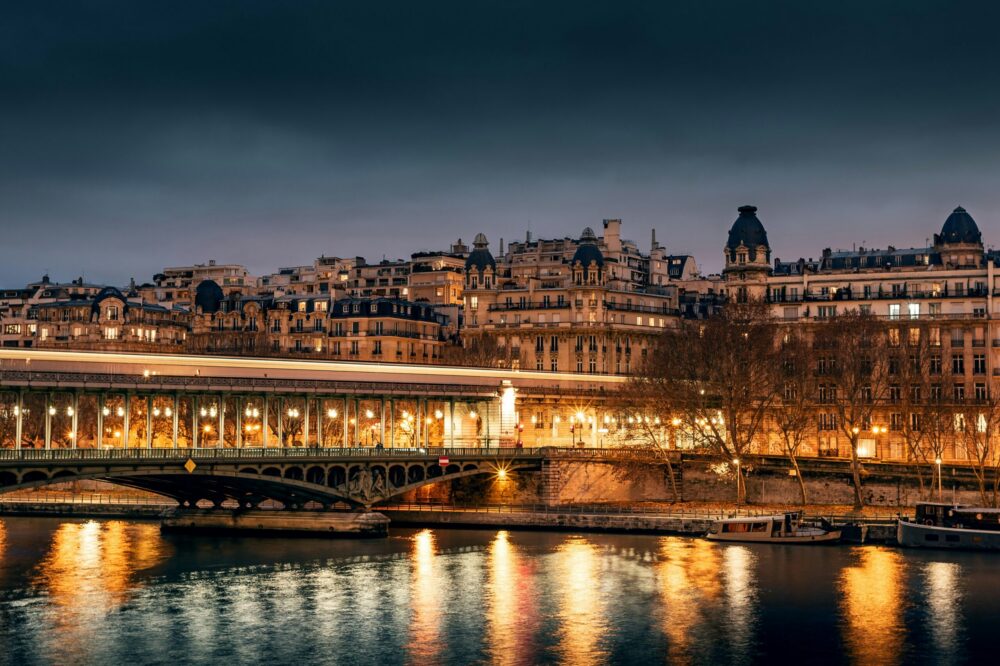
Paris is often considered one of the most walkable cities in the world. Its central arrondissements are densely packed with iconic landmarks. You can stroll from the Eiffel Tower to the Louvre, then cross the Seine to Notre-Dame—all in a few hours. The city’s 20 arrondissements are connected by wide boulevards and charming alleyways. However, Paris is large; the entire city spans over 100 square kilometers. For tourists, the walkable core is limited to the central areas (1st-7th arrondissements). Beyond that, you’ll need the metro. Still, for a day of sightseeing, Paris is hard to beat.
Pros and Cons of Walking in Paris
- Pros: Excellent public transport integration, many pedestrian-only zones (like the Latin Quarter), and countless cafes for breaks.
- Cons: Crowds, pickpocketing risks, and some areas are spread out (e.g., Montmartre to the Marais).
So, is Paris the most walkable? It’s highly walkable but not the most compact. For tourists who want to avoid public transport entirely, smaller cities may be better.
Lyon: A Walkable Gem with Two Rivers
Lyon is a strong contender for the title of most walkable French city. Its historic center (Vieux Lyon) is a UNESCO World Heritage site, and the Presqu’île district between the Rhône and Saône rivers is perfect for walking. The city’s compact layout means you can explore the Renaissance architecture, traboules (hidden passageways), and the Basilica of Notre-Dame de Fourvière on foot. The hilltop views reward those who climb, but there’s also a funicular for the less energetic.
Why Lyon Excels for Pedestrians
- Compact core: Most attractions are within a 3 km radius.
- Pedestrian streets: Rue de la République and Rue Mercière are car-free.
- Gastronomy on foot: The famous bouchons are clustered in Vieux Lyon.
- Safe and clean: Lyon is known for its low crime rate and well-maintained sidewalks.
For tourists who love to walk and eat, Lyon is a top pick. It’s often cited as one of the most walkable cities in France, especially for its manageable size and rich history.
Nice: Coastal Walking Paradise
Nice, on the French Riviera, offers a unique blend of city and seaside walking. The Promenade des Anglais stretches 7 km along the coast, perfect for a leisurely stroll. The old town (Vieux Nice) is a maze of narrow streets filled with markets, shops, and restaurants. While Nice is larger than Lyon, its tourist areas are concentrated. You can walk from the port to the castle hill (Colline du Château) for panoramic views, then down to the beach.
Walkability Highlights in Nice
- Promenade des Anglais: Iconic coastal walkway.
- Vieux Nice: Pedestrian-friendly with colorful buildings.
- Castle Hill: A short but steep climb with rewarding views.
- Markets: Cours Saleya flower market is a must-see on foot.
Nice is excellent for walkers who enjoy a mix of urban and natural scenery. However, the city can be hilly, and some attractions (like the Matisse Museum) are farther out. Still, for a beach vacation with walkable charm, Nice is a top choice.
Bordeaux: Elegant and Flat
Bordeaux is famous for its 18th-century architecture and wine culture. The city center is remarkably flat, making it easy for all fitness levels. The Place de la Bourse, with its water mirror, is a central hub. From there, you can walk to the Grand Théâtre, Saint-André Cathedral, and the lively Rue Sainte-Catherine—the longest pedestrian shopping street in Europe. Bordeaux’s tram system is excellent, but many tourists find they rarely need it.
Why Bordeaux Is a Walker’s Delight
- Flat terrain: No hills to conquer.
- Pedestrian zones: Over 2 km of car-free streets.
- Compact historic core: All major sights within 2 km.
- Green spaces: Jardin Public and along the Garonne riverbanks.
Bordeaux is often recommended for travelers with mobility concerns because of its flatness and wide sidewalks. It’s a strong candidate for the most walkable French city, especially for those who prefer leisurely strolls.
Strasbourg: A Fairytale Walk
Strasbourg, in the Alsace region, is a walkable wonder with its half-timbered houses and canals. The Grande Île (UNESCO site) is a compact island packed with attractions like the Cathedral of Notre-Dame, Petite France, and numerous museums. The city is very pedestrian-friendly, with many streets reserved for foot traffic. The tram system is efficient, but you can easily explore the center on foot.
Strasbourg’s Pedestrian Appeal
- Petite France: Charming quarter with canals and bridges.
- Cathedral area: Central square with cafes and shops.
- European quarter: A bit farther but still walkable for enthusiasts.
- Cycling and walking paths: Along the Ill River.
Strasbourg is ideal for tourists who want a romantic, walkable experience. Its size and layout make it one of the most accessible cities in France for pedestrians.
Aix-en-Provence: The Walkable Provençal Town
Aix-en-Provence is a smaller city with a big reputation for walkability. The Cours Mirabeau, a tree-lined avenue, is the main artery. The old town is a grid of narrow streets filled with fountains, markets, and boutiques. Aix is compact enough to explore entirely on foot. The famous markets (like the flower market) are within walking distance of each other. The city’s hilly outskirts require more effort, but the center is flat and inviting.
Why Aix-en-Provence Is a Top Pick
- Small size: The historic center is less than 2 km across.
- Fountains and squares: Plenty of resting spots.
- Markets: Daily markets are walkable from anywhere in town.
- Art and culture: Cézanne’s studio and museums are close.
Aix-en-Provence is perfect for tourists who want a relaxed, walkable vacation without the crowds of larger cities.
Comparing Walkability: Key Factors
To determine which French city is most walkable for tourists, we need to compare them based on several criteria:
| City | Compactness | Pedestrian Zones | Safety | Terrain | Overall Walkability |
|---|---|---|---|---|---|
| Paris | Moderate (central area compact) | Good | Good (but pickpocketing) | Flat with some hills | High |
| Lyon | High | Excellent | Very Good | Hilly in parts | Very High |
| Nice | Moderate | Good | Good | Hilly | High |
| Bordeaux | Very High | Excellent | Very Good | Flat | Very High |
| Strasbourg | High | Excellent | Very Good | Flat | Very High |
| Aix-en-Provence | Very High | Good | Very Good | Flat center | High |
Based on this, Lyon, Bordeaux, and Strasbourg stand out as the most walkable. But which one takes the crown?
The Winner: Lyon—The Most Walkable French City for Tourists
After careful analysis, Lyon emerges as the most walkable French city for tourists. Here’s why:
- Compact and connected: The historic center, Presqu’île, and Croix-Rousse are all within a 3 km radius. You can walk from the Basilica of Fourvière to the Confluence district in about an hour.
- Extensive pedestrian zones: The city has invested heavily in pedestrian-friendly infrastructure. Rue de la République is one of Europe’s longest pedestrian streets.
- Safe and clean: Lyon consistently ranks as one of France’s safest cities. The streets are well-lit and patrolled.
- Cultural density: Two UNESCO World Heritage sites (Vieux Lyon and the hills) are walkable from each other.
- Gastronomic walking tours: The famous bouchons are clustered, making it easy to hop from one to another.
- Public transport backup: If you get tired, the metro and funicular are convenient.
Lyon offers the perfect balance of size, safety, and sights. It’s not too big to overwhelm, yet packed with enough attractions to fill days of walking.
Runner-Up: Bordeaux
Bordeaux is a close second. Its flat terrain and elegant architecture make it a joy to explore on foot. For tourists who prioritize ease of walking and a relaxed pace, Bordeaux might even be better. However, Lyon’s cultural richness and slightly more compact center give it the edge.
Other Walkable French Cities Worth Mentioning
While Lyon, Bordeaux, and Strasbourg are top contenders, several other French cities are highly walkable:
- Avignon: The historic center is encircled by ramparts, creating a compact pedestrian zone. The Palais des Papes and Pont d’Avignon are easily walkable.
- Toulouse: Known as the Pink City, its center is flat and filled with squares. The Capitole and Saint-Sernin are within walking distance.
- Montpellier: The Ecusson district is pedestrian-friendly, with narrow streets and lively plazas.
- Annecy: The old town and canals are perfect for strolling, though the city is smaller.
- Colmar: A fairytale town in Alsace, very compact and walkable.
These cities are excellent for tourists who want a walkable experience without the crowds of larger destinations.
Tips for Walking Tours in French Cities
To make the most of your walking holiday, keep these tips in mind:
- Wear comfortable shoes: Cobblestones are common, especially in old towns.
- Use a map app: Offline maps help you navigate without data.
- Take breaks: French cafes are perfect for resting and people-watching.
- Start early: Mornings are cooler and less crowded.
- Stay hydrated: Carry a water bottle, especially in summer.
- Explore side streets: The best discoveries are often off the main paths.
Conclusion: Which French City Is Most Walkable for Tourists?
After comparing France’s most pedestrian-friendly cities, Lyon stands out as the most walkable for tourists. Its compact size, excellent pedestrian infrastructure, safety, and cultural density make it ideal for exploring on foot. Bordeaux and Strasbourg are close runners-up, each with unique charms. Ultimately, the best walkable city depends on your preferences: Lyon for history and gastronomy, Bordeaux for flat elegance, Strasbourg for fairytale scenery, or Nice for coastal walks. Whichever you choose, France offers countless opportunities for memorable walking tours.
So, if you’re planning a trip and wondering which French city is most walkable for tourists, consider Lyon as your top pick. But don’t rule out the others—each has its own pedestrian-friendly magic. Lace up your walking shoes and discover France one step at a time!



I’m planning a trip to France and want to minimize public transport. Based on your guide, would you say Lyon is the most walkable overall?
Yes, Lyon is often considered the most walkable for tourists due to its compact historic center and pedestrian-friendly streets. Most major attractions are within a 3 km radius, making it easy to explore on foot without needing public transport.
What about smaller cities like Avignon or Aix-en-Provence? Are they more walkable than the ones listed?
Smaller cities like Avignon and Aix-en-Provence are indeed very walkable, with compact historic centers. However, they have fewer major attractions compared to Lyon or Paris. For a short visit focused on walking, they are excellent choices, but for a broader tourist experience, Lyon or Bordeaux may offer more.
I’m concerned about safety while walking in Paris at night. Are the central areas safe for solo female travelers?
Central Paris (1st-7th arrondissements) is generally safe, with well-lit streets and plenty of people around. However, as with any big city, stay aware of your surroundings, avoid poorly lit areas, and keep valuables secure. Pickpocketing is a risk in crowded spots, so use a cross-body bag.
Is Nice walkable even if I don’t want to climb hills? My mobility is limited.
Nice has some hills, especially to Castle Hill, but the Promenade des Anglais and Vieux Nice are flat and easy to walk. For hilltop views, you can take the elevator or bus. Overall, the main tourist areas are accessible on foot, but consider using public transport for farther attractions like the Matisse Museum.
Bordeaux sounds great for walking since it’s flat. How long would it take to walk from the train station to the city center?
From Bordeaux Saint-Jean station, it’s about a 30-minute walk to the Place de la Bourse or the historic center. Alternatively, the tram takes 10 minutes. The city center itself is very walkable, with wide pedestrian streets and flat terrain.
Which city has the best pedestrian infrastructure for families with strollers?
Bordeaux is excellent for strollers due to its flat terrain and wide sidewalks. Lyon’s Vieux Lyon has some cobblestones, but the main pedestrian streets are manageable. Paris can be tricky with crowds and metro stairs, but central areas are fine. Overall, Bordeaux offers the smoothest experience for strollers.
Your article mentions Paris’s walkable core is limited to central arrondissements. Could you specify which neighborhoods are best for walking?
The most walkable neighborhoods for tourists in Paris include the 1st (Louvre area), 4th (Marais), 5th (Latin Quarter), 6th (Saint-Germain), and 7th (Eiffel Tower). These areas are dense with attractions and have pedestrian-friendly streets. Avoid trying to walk between Montmartre and the Marais—use the metro.