
Table des matières:
Why Eating Cheap in Europe Is Easier Than You Think
Traveling through Europe on a budget doesn’t mean surviving on bland sandwiches and instant noodles. With a little know-how, you can enjoy delicious local cuisine without breaking the bank. This guide will show you how to eat cheap in Europe while still savoring authentic flavors and cultural experiences.
Top Strategies to Eat Cheap in Europe
Embrace Street Food and Markets
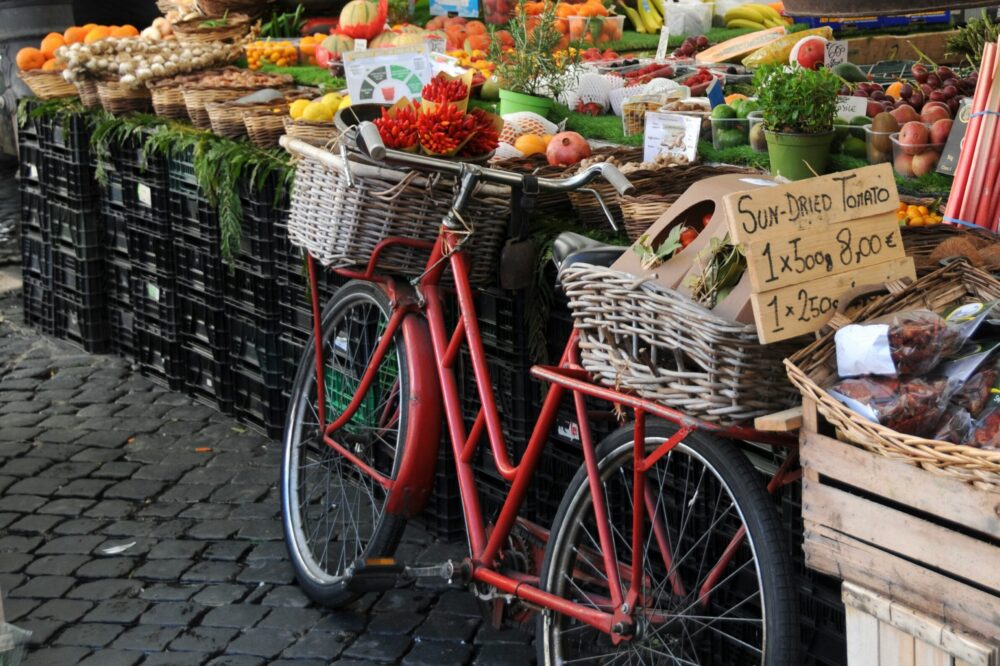
One of the best ways to eat cheap in Europe is to follow the locals to street food stalls and open-air markets. Cities like Berlin, Barcelona, and Istanbul offer a plethora of affordable options—from currywurst and döner kebab to fresh produce and artisanal cheeses. Not only is street food budget-friendly, but it also gives you a taste of everyday life.
Visit Supermarkets for Picnic Supplies
Supermarkets are your best friend when learning how to eat cheap in Europe. Stop by a local grocery store like Lidl, Aldi, Carrefour, or Coop to pick up fresh bread, cheese, cured meats, fruit, and drinks. A picnic in a park or by a landmark can be a memorable meal for just a few euros. Plus, you can stock up on snacks and water to avoid tourist-priced convenience stores.
Take Advantage of Lunch Menus
Many European restaurants offer fixed-price lunch menus (often called “menu del día” in Spain or “plat du jour” in France) that are significantly cheaper than dinner. These meals usually include a starter, main course, dessert, and a drink for a set price. By eating your main meal at lunchtime, you can enjoy a full dining experience for a fraction of the cost.
Stay in Accommodation with Kitchen Access
If you’re wondering how to eat cheap in Europe over an extended trip, consider booking hostels, Airbnb apartments, or budget hotels with kitchen facilities. Cooking your own breakfast and dinner can save a substantial amount. Plus, you can buy local ingredients and experiment with regional recipes.
Regional Tips for Eating on a Budget
How to Eat Cheap in Western Europe
In countries like France, Italy, and the UK, dining out can be pricey. To save money, opt for bakeries (boulangeries) for fresh baguettes and pastries, or grab a slice of pizza al taglio in Italy. In the UK, pub lunches are often affordable and hearty.
How to Eat Cheap in Eastern Europe
Eastern Europe is generally more budget-friendly, but you can still maximize savings. Seek out local eateries called “milk bars” in Poland (bar mleczny) or “bufets” in the Czech Republic, where traditional home-cooked meals are very cheap. Street food like langos in Hungary or burek in the Balkans is also filling and inexpensive.
How to Eat Cheap in Scandinavia
Scandinavia is known for high prices, but there are ways to eat cheap. Look for lunch buffets (especially in Sweden) that offer a good deal. Supermarkets like Netto or Rema 1000 have affordable ready-made meals. Also, consider eating at food halls or markets where you can sample a variety of dishes without high restaurant markups.
Money-Saving Food Hacks for Europe
- Carry a reusable water bottle: Fill it at public fountains or your accommodation to avoid buying bottled water.
- Use apps like Too Good To Go: This app lets you buy surplus food from restaurants and bakeries at a discount.
- Eat at university canteens: Some universities open their cafeterias to the public, offering cheap meals.
- Avoid tourist traps: Restaurants near major attractions often charge more. Walk a few blocks away for better prices.
- Share meals: Portion sizes in some countries are large enough to split between two people.
Sample Budget Meal Plan for a Day in Europe
To give you an idea of how to eat cheap in Europe, here’s a sample day of eating on a budget of around €15-20:
- Breakfast: Pastry from a bakery (€2) + coffee (€1.50)
- Lunch: Menu del día at a local restaurant (€10-12)
- Dinner: Picnic from supermarket: bread, cheese, fruit (€4-5)
This plan allows you to enjoy a sit-down lunch and still have money left for snacks or a drink.
Common Mistakes to Avoid When Trying to Eat Cheap in Europe
Even budget-conscious travelers can fall into traps. Avoid these pitfalls:
- Buying coffee to-go: Sitting down at a café can cost double. Drink at the bar or get takeaway.
- Ordering bottled water: In many countries, tap water is safe and free. Ask for “tap water” or fill your bottle.
- Eating near train stations: Prices are often inflated due to high foot traffic.
- Ignoring local specialties: Sometimes the cheapest option is also the most authentic. Try the local street food.
How to Eat Cheap in Europe Without Missing Out
Eating on a budget doesn’t mean you have to skip culinary experiences. By planning ahead, embracing local habits, and being flexible, you can enjoy Europe’s diverse food scene while keeping your wallet happy. Remember, the key to how to eat cheap in Europe is to think like a local: shop where they shop, eat where they eat, and savor every bite without overspending.
Final Thoughts on Eating Cheap in Europe
Mastering the art of how to eat cheap in Europe is all about smart choices. From street food to supermarket picnics, lunch deals to cooking your own meals, there are countless ways to enjoy delicious food on a budget. So go ahead, explore Europe’s culinary treasures without the hefty price tag. Your taste buds—and your bank account—will thank you.
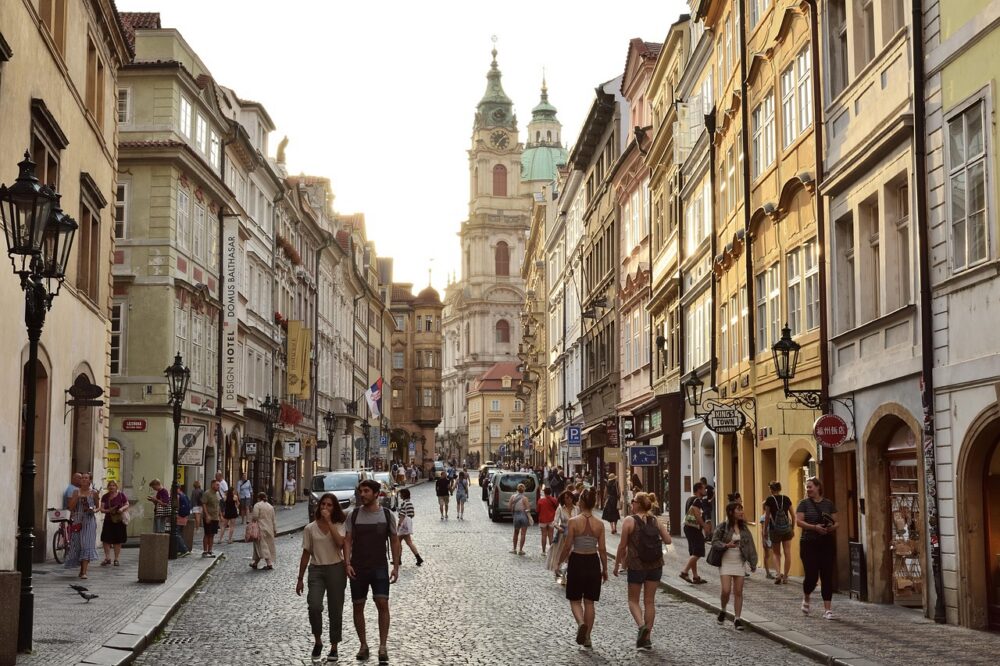
Photo by Mark Pecar on Unsplash
Great tips! I’m planning a trip to Italy and France. Can you recommend specific affordable dishes to try in each country?
In Italy, look for pizza al taglio (by the slice), arancini (fried rice balls), or a panino from a local deli. In France, grab a croissant or pain au chocolat from a boulangerie for breakfast, and for lunch, a quiche or a tartine (open-faced sandwich) at a café can be budget-friendly.
I found that using the Too Good To Go app saved me a lot in Berlin. Are there similar apps in other European countries?
Yes, Too Good To Go is widely available across Europe, including UK, France, Italy, and Spain. Other apps like Karma (in Sweden and UK) and Olio (for free food sharing) can also help you find discounted or free food.
Is tap water safe to drink everywhere in Europe? I’ve heard mixed things.
In most Western and Northern European countries, tap water is safe to drink. In Southern and Eastern Europe, it’s generally safe in major cities, but check with locals or your accommodation. When in doubt, carry a reusable filter bottle.
What about eating cheap in Switzerland? It’s so expensive there.
Switzerland is pricey, but you can save by shopping at budget supermarkets like Aldi or Lidl, eating at food stands (e.g., bratwurst), and opting for lunch specials. Also, consider visiting during off-peak hours when some restaurants offer discounts.
I always struggle with finding affordable dinner options. Any tips for evening meals on a budget?
For dinner, consider cooking at your accommodation if possible. Alternatively, look for early bird specials or happy hour deals at restaurants. In many countries, bakeries sell savory items until closing, and you can often find discounted prepared foods at supermarkets later in the day.
I’m planning a trip to Europe next summer and this guide is super helpful. One thing I’m wondering: are lunch menus available on weekends too, or only on weekdays?
Great question! Many restaurants offer lunch menus on weekends as well, but it’s not universal. In Spain, for example, the ‘menu del día’ is typically available Monday to Friday, while in France, ‘plat du jour’ may be offered on Saturdays too. Always check the restaurant’s hours or ask ahead. If you’re set on a weekend lunch, consider street food or a picnic instead.
I’ve used Too Good To Go in a few cities and it’s fantastic! Another tip: look for ‘happy hour’ deals at bars or cafes, especially in bigger cities. Sometimes you can get a drink and a small snack for cheap.
That’s a great addition! Happy hour can indeed be a budget-friendly way to enjoy a drink and a bite, especially in places like London or Berlin. Just be mindful that the snacks are often small, so it works best as a light meal or supplement. Thanks for sharing!
Is it safe to drink tap water everywhere in Europe? I’ve heard mixed things.
Tap water is generally safe to drink in most Western and Northern European countries, including Germany, France, the UK, and Scandinavia. In Southern and Eastern Europe, it’s often safe but may have a different taste; some travelers prefer bottled water. In countries like Bulgaria or Romania, it’s wise to stick to bottled water. Always check local advice or ask your accommodation. Carrying a reusable bottle is still a good idea—you can fill it at trusted sources.
For Eastern Europe, I’d add that ‘bufets’ in Czech Republic are great, but also look for ‘hospoda’ or ‘pivnice’ for cheap traditional meals. The portions are huge and prices are low.
Excellent tip! ‘Hospoda’ and ‘pivnice’ are indeed fantastic for hearty, affordable Czech cuisine. They often serve classics like svíčková or goulash with dumplings at very reasonable prices. Thanks for adding that—it will help readers find even more authentic and budget-friendly options.
I’ve found that eating at food halls, like the ones in Copenhagen or Stockholm, can be surprisingly affordable if you choose wisely. They often have a mix of vendors, so you can get a small dish from a couple of places and share.
Absolutely! Food halls are a great compromise between street food and sit-down restaurants. In Copenhagen, Torvehallerne offers a variety of stalls where you can sample different cuisines without breaking the bank. Sharing dishes is a smart strategy to keep costs down while trying more flavors. Just avoid the pricier vendors and stick to the simpler options.
Great tips! I’m planning a trip to Italy and Spain next month. Do you have any specific recommendations for finding cheap eats in Rome or Barcelona beyond the general advice?
In Rome, seek out ‘pizza al taglio’ shops for pizza by the slice and ‘forno’ bakeries for cheap pastries. In Barcelona, head to La Boqueria market for affordable tapas, but avoid the main aisles where prices are higher. Also, look for ‘menu del día’ at lunch for a full meal under €15.
I’ve used the Too Good To Go app in Paris and saved a lot on bakery items. It’s a great suggestion. Are there any other apps or websites that help find cheap food in Europe?
Yes, besides Too Good To Go, try ‘Karma’ and ‘Olio’ for surplus food. For restaurant deals, ‘TheFork’ offers discounts at many European restaurants. Also, check local apps like ‘ResQ’ in Finland or ‘Munch’ in Germany.
Are there any apps besides Too Good To Go that help find cheap food in Europe?
Yes, apps like Karma and Olio also offer surplus food at discounts. Additionally, HappyCow can help you find budget-friendly vegetarian and vegan options.
I found that eating at university canteens really works. In Prague, the student cafeteria at Charles University was open to the public and very cheap.
That’s a great tip! University canteens are indeed an underrated option for affordable meals, especially in larger cities.
What about breakfast? Is it cheaper to buy pastries from a bakery or go to a supermarket?
Supermarkets often have cheaper options for breakfast, but bakeries offer fresher items. A croissant at a supermarket may cost €1, while a bakery might charge €1.50—still a good deal.
Do you have any specific recommendations for cheap eats in Paris?
In Paris, look for crêperies in the Latin Quarter or grab a sandwich from a boulangerie. Also, markets like Marché des Enfants Rouges offer affordable prepared foods.
I always carry a reusable water bottle, but I’ve heard some places in Europe have unsafe tap water. Is that true?
Tap water is generally safe in most European countries, especially in Western and Central Europe. In some Eastern European regions, you might want to check locally. When in doubt, ask your accommodation.
The lunch menu tip is solid. In Italy, I often look for ‘menu del giorno’ and it saves a lot. But sometimes the portions are huge—can you ask for a half portion?
Half portions aren’t common in fixed-price menus, but you can always share a menu with a friend or ask if they offer a smaller version. Alternatively, opt for a single course from the menu instead of the full set.