
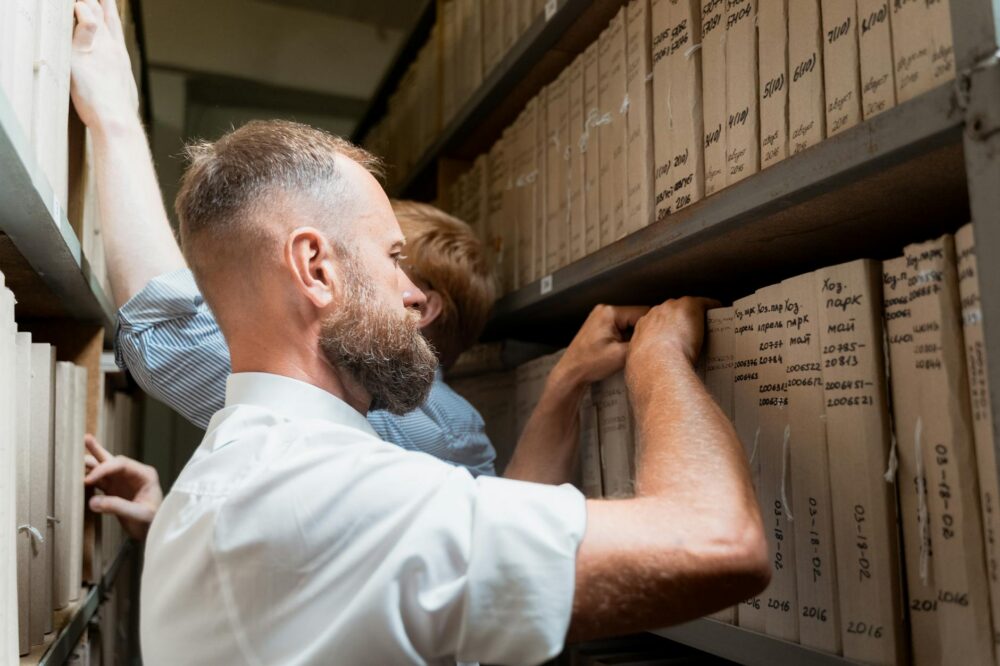
Table des matières:
Unveiling the Tour des Archives: A Medieval Treasure in Toulouse
Nestled in the heart of Toulouse, the Tour des Archives stands as a silent witness to centuries of history. This medieval tower, part of the former Carmelite convent, now serves as the city’s archival repository. But what is the significance of the Tour des Archives in Toulouse? More than just a building, it embodies the city’s rich heritage, architectural evolution, and commitment to preserving its collective memory. In this article, we delve into the historical, architectural, and cultural importance of this iconic structure.
Historical Background of the Tour des Archives
The Tour des Archives dates back to the 14th century, originally constructed as part of the Carmelite convent founded in 1326. The convent was a prominent religious institution in medieval Toulouse, but like many ecclesiastical buildings, it faced upheaval during the French Revolution. In 1794, the convent was seized and later repurposed. The tower itself survived the demolition of most of the convent in the 19th century, thanks to its robust construction and later adaptation as a municipal archive.
The Tower’s Role in Medieval Toulouse
During the Middle Ages, the Carmelite convent was a center of religious life and learning. The tower likely served as a bell tower or a defensive structure, offering a vantage point over the city. Its thick walls and narrow windows reflect the Gothic architectural style prevalent in Toulouse at the time. The tower’s survival through centuries of change underscores its structural integrity and historical value.
Transition to an Archival Repository
In the 19th century, the city of Toulouse recognized the need to preserve its administrative and historical documents. The Tour des Archives was designated as the municipal archive, a role it continues to fulfill today. This transition marked a new chapter in the tower’s life, transforming it from a religious symbol into a guardian of Toulouse’s collective memory. The archives house documents dating back to the 12th century, including charters, maps, and municipal records, making the tower an invaluable resource for historians and researchers.
Architectural Significance of the Tour des Archives
The Tour des Archives is a prime example of Gothic architecture in Toulouse. Standing at approximately 30 meters tall, the tower features a square base, buttressed corners, and a steeply pitched roof. Its facade is adorned with sculpted details, including gargoyles and finials, typical of the period. The interior, though modified for archival use, retains original vaulted ceilings and stone staircases.
Key Architectural Features
- Gothic Style: The tower’s pointed arches, ribbed vaults, and flying buttresses exemplify the Gothic aesthetic that flourished in southern France.
- Defensive Elements: Narrow slit windows and thick walls (over 1 meter thick) indicate the tower’s dual role as a religious and defensive structure.
- Bell Chamber: The upper levels house a bell chamber, though the original bell is no longer present. The chamber offers panoramic views of Toulouse.
- Restoration: In the 20th century, the tower underwent careful restoration to preserve its historical integrity while adapting it for modern archival needs.
The architectural significance of the Tour des Archives lies not only in its aesthetics but also in its representation of Toulouse’s medieval urban landscape. It stands as a rare surviving example of a convent tower in the city, offering insights into construction techniques and material usage of the era.
The Role of the Tour des Archives in Preserving Toulouse’s Heritage
As the municipal archive, the Tour des Archives plays a crucial role in safeguarding Toulouse’s documentary heritage. The collections span over 800 years, encompassing everything from medieval parchments to digital records. This repository is essential for understanding the city’s social, political, and economic evolution.
What the Archives Contain
- Medieval Charters: Legal documents from the 12th century onward, including land grants and municipal decrees.
- Maps and Plans: Historical maps of Toulouse, showing the city’s growth and urban planning through the centuries.
- Civil Records: Birth, marriage, and death records from the 16th century to the present.
- Photographs and Prints: Visual documentation of Toulouse’s streets, buildings, and events from the 19th and 20th centuries.
- Municipal Archives: Official records of the city government, including council minutes and administrative files.
Accessibility and Research
The archives are open to the public, with a reading room where researchers can consult documents. The staff provides assistance and digitization services for fragile items. The Tour des Archives also hosts exhibitions and educational programs, making history accessible to all. This commitment to openness enhances the significance of the Tour des Archives in Toulouse as a center for learning and community engagement.
Cultural and Symbolic Importance
Beyond its practical function, the Tour des Archives holds deep symbolic value for the people of Toulouse. It represents continuity and resilience, having survived revolutions, wars, and urban development. The tower is a landmark that connects the present to the past, reminding residents and visitors of the city’s enduring spirit.
The Tower in Local Identity
For locals, the Tour des Archives is more than an archive; it is a piece of their identity. It appears in artworks, literature, and historical accounts of Toulouse. Its silhouette is recognizable in the cityscape, often photographed and admired. The tower’s presence reinforces a sense of place and belonging, anchoring the community in its shared history.
Tourism and Education
The tower is a popular stop for tourists interested in medieval history. Guided tours are available, offering insights into the architecture and the archival holdings. Educational programs for schools and universities use the tower as a living classroom, teaching students about historical research and preservation. This dual role as a tourist attraction and educational resource amplifies the significance of the Tour des Archives in Toulouse.
Preservation Challenges and Future Outlook
Like any historic structure, the Tour des Archives faces preservation challenges. Environmental factors, such as humidity and pollution, threaten both the building and its contents. The archives have implemented climate control systems and conservation measures to mitigate these risks. Additionally, the city of Toulouse invests in ongoing maintenance and restoration projects to ensure the tower’s longevity.
Digital Archiving Initiatives
To protect fragile documents and improve access, the archives have embraced digital technology. Digitization projects have created online databases, allowing researchers worldwide to explore Toulouse’s history remotely. This digital shift not only preserves the originals but also expands the reach of the archives, fulfilling their mission in the 21st century.
Community Support and Funding
Preservation efforts rely on public funding and private donations. The city of Toulouse allocates resources to maintain the archives, and cultural heritage organizations advocate for the tower’s protection. Community involvement, through volunteer programs and fundraising events, also plays a vital role. The future of the Tour des Archives depends on sustained commitment to conservation and innovation.
Why the Tour des Archives Matters Today
In an age of rapid change, the significance of the Tour des Archives in Toulouse is more relevant than ever. It serves as a tangible link to the past, offering lessons in history, architecture, and civic pride. The archives provide evidence for legal claims, genealogical research, and academic studies, affirming the tower’s practical value. Culturally, it inspires creativity and reflection, reminding us of the importance of preserving our heritage for future generations.
Whether you are a historian, a traveler, or a local resident, the Tour des Archives invites you to explore the layers of time. Its stones tell stories of faith, governance, and everyday life in Toulouse. By visiting, researching, or simply appreciating this medieval tower, you contribute to the ongoing narrative of a city that cherishes its past while embracing the future.
Frequently Asked Questions About the Tour des Archives
Can I visit the Tour des Archives?
Yes, the tower is open to the public during designated hours. Guided tours are available, and you can also explore the reading room for research purposes. Check the official website for current visiting times and any restrictions.
What is the best time to visit?
The tower is open year-round, but spring and fall offer pleasant weather for exploring Toulouse. Weekdays tend to be less crowded, providing a more intimate experience.
Are there any special events held at the tower?
Yes, the archives organize temporary exhibitions, lectures, and cultural events throughout the year. The European Heritage Days in September often feature special tours and activities at the Tour des Archives.
In summary, the significance of the Tour des Archives in Toulouse is multifaceted: it is a historical monument, an architectural gem, a guardian of memory, and a symbol of resilience. Its walls echo with the voices of the past, while its archives illuminate the path forward. As you walk the streets of Toulouse, let the Tour des Archives remind you of the enduring power of history and the importance of preserving it.
Photo by MART PRODUCTION on Pexels


I’m curious about the architectural details. Are there any specific Gothic features that make the Tour des Archives stand out from other medieval towers in Toulouse?
Yes, the Tour des Archives is a fine example of Gothic architecture with its pointed arches, ribbed vaults, and flying buttresses. Its square base, thick walls, and narrow slit windows also hint at a defensive function, which is less common in purely religious towers. The sculpted gargoyles and finials add to its distinctiveness.
What kind of documents are stored in the archives? Are they accessible to the public?
The archives house documents from the 12th century onward, including medieval charters, maps, civil records, and municipal decrees. Many are accessible to researchers and the public by appointment. It’s best to check the Toulouse municipal archive website for access procedures.
How did the tower survive the demolition of the Carmelite convent in the 19th century?
The tower’s robust construction and its later adaptation as a municipal archive helped it survive. When the convent was mostly demolished in the 19th century, the tower was repurposed to store the city’s valuable documents, ensuring its preservation.
I’m planning a trip to Toulouse. Is the Tour des Archives open for visits, or can you only see it from the outside?
The tower is not always open to the public as it functions as a working archive. However, during special events like European Heritage Days, guided tours may be offered. You can typically view the exterior and appreciate its Gothic architecture from the surrounding streets.
What was the original purpose of the tower when it was built in the 14th century?
Originally, the tower was part of the Carmelite convent and likely served as a bell tower or a defensive structure. Its height and thick walls suggest it could have been used for observation and protection, in addition to its religious function.
The article mentions the tower’s role in preserving Toulouse’s heritage. How are the archives kept safe from environmental damage?
The archives are stored in climate-controlled rooms within the tower to protect them from humidity, temperature fluctuations, and pests. Modern preservation techniques, including digitization, also help safeguard the documents for future generations.
Are there any notable historical events that took place at the Carmelite convent before the revolution?
The Carmelite convent was a center of religious life and learning in medieval Toulouse. While specific events aren’t widely documented, it likely hosted important religious ceremonies and served as a place of study for monks. The convent’s seizure during the French Revolution marked a significant turning point.
I find the transition from a religious tower to an archive fascinating. Were there any major structural changes to accommodate documents?
Yes, the interior was modified to house shelving and storage areas, and the upper floors were reinforced to support the weight of the archives. However, original features like the vaulted ceilings and stone staircases were preserved to maintain the tower’s historical character.
Je ne savais pas que la Tour des Archives était à l’origine un clocher de couvent. Est-ce que les archives sont accessibles au public ?
Oui, les archives sont ouvertes au public sur rendez-vous. Vous pouvez consulter les documents dans la salle de lecture, mais il est conseillé de réserver à l’avance.
L’article mentionne des documents du 12e siècle. Existe-t-il des trésors particuliers dans les collections ?
Absolument ! Les collections incluent des chartes médiévales, des plans anciens de Toulouse et des registres paroissiaux. Certains documents sont numérisés et consultables en ligne.
La tour a-t-elle été endommagée pendant la Révolution française ?
Le couvent a été saisi en 1794, mais la tour a survécu grâce à sa construction robuste. Elle a ensuite été réaffectée en archives municipales au 19e siècle.
Quelle est la hauteur exacte de la tour ? Et peut-on monter au sommet ?
La tour mesure environ 30 mètres de haut. L’accès au sommet n’est généralement pas ouvert au public pour des raisons de sécurité, mais des visites guidées sont parfois organisées.
Je suis passionné d’architecture gothique. Quels éléments gothiques sont les plus remarquables dans cette tour ?
Les arcs brisés, les voûtes d’ogives et les contreforts sont typiques du gothique méridional. Les gargouilles et les pinacles sculptés sont également très beaux.
L’article dit que la tour faisait partie d’un couvent carmélite. Y a-t-il d’autres vestiges du couvent ?
Malheureusement, la majeure partie du couvent a été démolie au 19e siècle. La tour est le seul vestige important, mais quelques éléments architecturaux subsistent dans les bâtiments adjacents.
Comment les archives sont-elles conservées dans une tour médiévale ? Les conditions sont-elles adaptées ?
La tour a été modernisée avec des systèmes de climatisation et de contrôle de l’humidité pour préserver les documents. Les espaces de stockage sont adaptés aux normes archivistiques actuelles.
Je prévois de visiter Toulouse. La Tour des Archives est-elle ouverte aux touristes ou seulement aux chercheurs ?
Elle est principalement un lieu de travail pour les chercheurs, mais des journées du patrimoine et des visites guidées permettent au public de la découvrir. Renseignez-vous auprès de l’office de tourisme.
Merci pour cet article très instructif. Je me demande si la Tour des Archives est ouverte au public et s’il est possible de consulter les documents qu’elle abrite ?
Bonjour, merci pour votre question. La Tour des Archives est effectivement ouverte au public lors de visites guidées organisées par la ville, notamment pendant les Journées du Patrimoine. Pour consulter les documents, il faut prendre rendez-vous avec les Archives municipales de Toulouse, qui gèrent l’accès aux collections. Vous pouvez contacter leurs services pour plus d’informations.