

Table des matières:
Introduction
If you are planning to travel around London, understanding how to get a London Oyster card is essential for saving money and time. The Oyster card is a smart payment card used on Transport for London (TfL) services, including the Tube, buses, trams, the Docklands Light Railway (DLR), London Overground, Elizabeth line, and most National Rail services in London. This guide will walk you through everything you need to know about obtaining and using an Oyster card, ensuring a smooth and cost-effective journey.
What is a London Oyster Card?
An Oyster card is a rechargeable contactless smart card that you can use to pay for public transport in London. It offers cheaper fares than buying single paper tickets and includes daily and weekly capping to ensure you never pay more than the cost of a Travelcard for your journeys. You can also add season tickets and travel discounts to your card.
Where to Get a London Oyster Card
You can obtain an Oyster card from several locations around London. Here are the most convenient options:
- Tube and Train Stations: Visit any ticket machine or ticket office at Tube, DLR, London Overground, and some National Rail stations. Look for the yellow Oyster card machines.
- Visitor Centres: There are TfL Visitor Centres at key locations such as King’s Cross St Pancras, Liverpool Street, and Paddington stations.
- Oyster Ticket Stops: These are local shops, newsagents, or convenience stores that sell Oyster cards. Find your nearest one using the TfL Oyster Ticket Stop finder online.
- Online: You can order a new Oyster card online via the TfL website. Delivery to your home address usually takes a few days.
How Much Does an Oyster Card Cost?
The Oyster card itself costs a refundable deposit of £7. You will need to add credit (pay-as-you-go) or a travel pass to start using it. The minimum initial top-up is £10 when purchasing from a ticket machine or online. If you buy from an Oyster Ticket Stop, the minimum top-up may be £5.
Types of Oyster Cards
Standard Oyster Card
This is the most common card for residents and visitors. It works on all TfL services and can be loaded with pay-as-you-go credit or travel passes.
Visitor Oyster Card
Designed for tourists, this card comes pre-loaded with credit and offers special discounts at some attractions and restaurants. It also has a non-refundable deposit, so you cannot get the £7 back, but you can keep the card for future trips. You can buy it online before your trip or at Heathrow terminals.
Young Visitor Discount
If you are aged 11-15, you can get a Young Visitor Discount applied to a standard Oyster card at a Tube station ticket office, offering half-price off-peak travel. Children under 11 travel free on buses and trams and on the Tube and DLR when accompanied by a paying adult.
How to Use Your Oyster Card
Using your Oyster card is simple: touch it on the yellow card reader at the start and end of your journey. For buses and trams, you only need to touch in at the start. Make sure you have enough credit for the journey. The system will automatically calculate the correct fare and apply any capping.
Topping Up Your Oyster Card
You can add credit to your Oyster card at:
- Ticket machines at Tube, DLR, and Overground stations
- Oyster Ticket Stops
- Online via the TfL website (you need to register your card)
- Auto top-up: If you register your card, you can set it to automatically add credit when your balance falls below a certain amount.
Contactless Payment vs Oyster Card
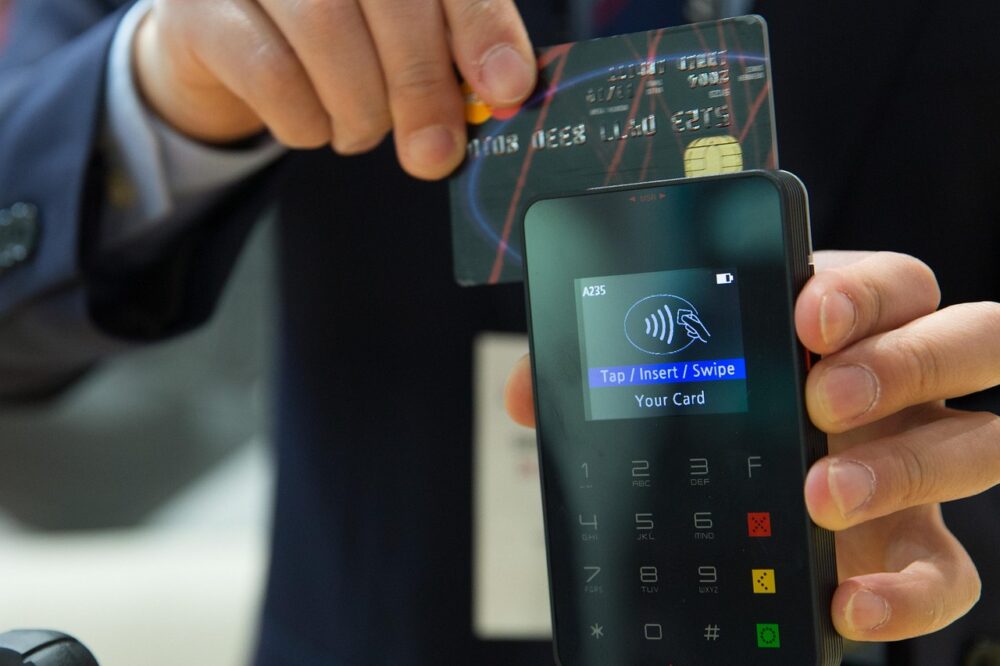
If you have a contactless credit or debit card, or a mobile payment device (Apple Pay, Google Pay), you can use that instead of an Oyster card. Contactless payments offer the same fare capping and are widely accepted. However, an Oyster card is still useful if you want to use a season ticket or if you prefer to keep your travel separate from your bank account.
Tips for Saving Money with an Oyster Card
- Daily and Weekly Capping: The Oyster card automatically limits how much you pay in a day or week. Once you reach the cap, further journeys are free.
- Off-Peak Travel: Travel after 9:30 AM (Monday to Friday) to benefit from lower off-peak fares.
- Bus Hopper: You can make unlimited bus and tram journeys within one hour for a single fare.
- Register Your Card: Registering your Oyster card protects your balance if it is lost or stolen. You can also view your journey history and get refunds for incomplete journeys.
Refunds and Lost Cards
If you have a standard Oyster card, you can get a refund of any remaining pay-as-you-go credit and the £7 deposit at a ticket machine or by post. Visitor Oyster cards are non-refundable. If your card is lost or stolen, you can transfer your balance and any season tickets to a new card if you registered it.
Conclusion
Knowing how to get a London Oyster card is the first step to navigating the city efficiently and affordably. Whether you choose a standard or Visitor Oyster card, the process is straightforward. Remember to touch in and out, take advantage of capping, and consider registering your card for security. With an Oyster card in hand, you are ready to explore London’s world-class public transport network with ease.
Photo by Igor Sporynin on Unsplash



I’m visiting London for a week and wondering if I should get a Visitor Oyster Card or just use my contactless credit card. Which is better for a short trip?
For a week-long visit, both work well with the same fare capping. A contactless card is convenient if you don’t mind using your bank card, but an Oyster card lets you keep travel separate and you can get a refund on the £7 deposit if you return it. The Visitor Oyster Card has a non-refundable deposit but offers some discounts. It really comes down to personal preference.