
Table des matières:
Introduction
Barcelona is a vibrant city with world-class architecture, beaches, and cuisine. As a tourist, the Barcelona Metro is your best friend for getting around efficiently. This guide will teach you how to use the Barcelona Metro system as a tourist, from buying tickets to navigating the network. By the end, you’ll ride the metro like a local.
Why the Metro Is Ideal for Tourists
The Barcelona Metro is fast, affordable, and covers most major attractions. It connects the airport, city center, and suburbs. Using the metro saves time and money compared to taxis. Plus, it’s air-conditioned—a blessing in summer.
Understanding the Metro Network
The metro has 8 lines (L1 to L9/L10) and over 160 stations. Key lines for tourists include L3 (Green) from the airport to city center, L2 (Purple) to Sagrada Familia, and L4 (Yellow) to Barceloneta beach. Each line is color-coded and numbered. Signs are in Catalan and Spanish, but English is common at major stations.
Metro Zones and Fares
Barcelona is divided into zones (1, 2, 3, etc.). Most tourist attractions are in Zone 1. The airport is in Zone 4, so you need a special ticket. Always check the zone map before buying.
How to Buy Metro Tickets
You can buy tickets at machines (accept cash, cards, and contactless) or at ticket offices. The machines have an English option. Here are the best ticket types for tourists:
- T-Casual (10 trips): Best for short stays. Valid for 75 minutes per trip, including transfers. Costs €11.35 for Zone 1.
- T-Familiar (8 trips): Cheaper but valid for multiple people (up to 8 trips shared). Good for families.
- Hola Barcelona Travel Card: Unlimited rides for 2, 3, 4, or 5 days. Includes airport transfer. Perfect for heavy metro use.
- Single ticket: Expensive for one ride (€2.40 Zone 1). Avoid unless you’re only taking one trip.
Pro tip: Tap your card at the turnstile and keep it handy for exits (some stations need it to open gates).
Step-by-Step: Using the Metro as a Tourist
1. Plan Your Route
Use Google Maps or the official TMB app (Transports Metropolitans de Barcelona). They show real-time schedules and exits. Know your start and end stations.
2. Enter the Station
Look for the red ‘M’ sign. At the turnstile, tap your ticket or card. Wait for the green light. If you have a paper ticket, insert it and retrieve it.
3. Find Your Platform
Follow signs for your line color and direction (e.g., ‘L3 Trinitat Nova’ or ‘L3 Zona Universitària’). Check the overhead screens for next train times.
4. Boarding and Etiquette
Let passengers exit first. Keep bags close. Don’t block doors. In peak hours (8-9:30 AM, 5-7 PM), expect crowds.
5. Exiting the Station
At your destination, follow ‘Sortida’ (exit) signs. Some exits require tapping your card again. If you have a single ticket, it’s not needed.
Tips for Navigating Barcelona Metro
- Be mindful of pickpockets: Keep valuables in front pockets or a zipped bag. Avoid phone use near doors.
- Check for service changes: On weekends, some lines have maintenance. Check TMB alerts.
- Use the metro map: Free maps at stations or download one. It’s easier than relying on data.
- Know the airport transfer: From El Prat Airport, take L9 Sud (Orange) to Zona Universitària, then transfer. Or take the Aerobús (faster but more expensive).
- Validate your ticket: If you buy a T-Casual, validate it at the start of each journey. The machine prints the expiry time.
Common Mistakes Tourists Make
Buying single tickets: They’re overpriced. Always buy multi-trip tickets.
Not validating: You can be fined €100 if caught without a valid ticket.
Taking the wrong direction: Double-check the line’s final destination on the platform sign.
Forgetting to tap out: Some stations require a card tap to exit. If you don’t, your card may be blocked.
Accessibility and Family Travel
The metro is wheelchair accessible at most stations (elevators and ramps). Look for the wheelchair symbol on maps. For families with strollers, use elevators. Avoid rush hour. There are priority seats for elderly and disabled.
Conclusion
Now you know how to use the Barcelona Metro system as a tourist. It’s simple, efficient, and connects you to all the city’s wonders. Buy a T-Casual or Hola Barcelona card, plan your route, and enjoy the ride. With these tips, you’ll navigate the metro like a pro. Have a fantastic trip to Barcelona!
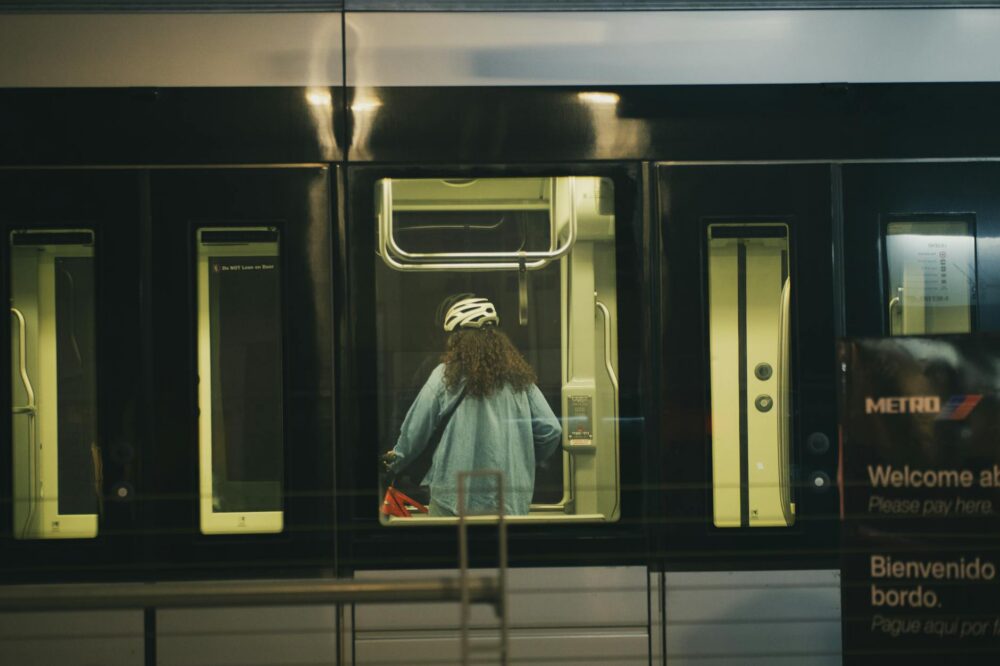
Photo by Ian Findley on Pexels

I’m planning a trip to Barcelona and this guide is very helpful. One question: if I buy a T-Casual card, can my friend and I share it? Or does each person need their own?
Great question! The T-Casual is a personal ticket, meaning it can only be used by one person. Each user needs their own card. For sharing, consider the T-Familiar, which allows up to 8 trips shared among multiple people.
Thanks for the detailed instructions. I just want to confirm: when exiting the metro, do I need to tap my T-Casual card again? I’ve heard some stations require it.
You’re welcome! For most stations, you don’t need to tap the T-Casual when exiting. However, at a few stations (like those with gates at exits), you may need to tap to open the gate. It’s always a good idea to keep your card handy just in case.
Is the Hola Barcelona Travel Card worth it for a 3-day stay? I plan to use the metro a lot, including going to the airport. Also, does it include the airport transfer?
Yes, the Hola Barcelona Travel Card is excellent for heavy metro use. For 3 days, it includes unlimited rides and covers the airport transfer (L9 Sud). It’s cost-effective if you take more than 2 trips per day. Just remember it’s valid from first use, not from purchase.
I’m worried about pickpockets. Any specific tips for keeping my belongings safe while on the metro? Also, are there any lines or stations I should avoid as a tourist?
To avoid pickpockets, keep your bag zipped and in front of you, avoid using your phone near doors, and don’t keep valuables in back pockets. As for unsafe areas, the metro is generally safe, but like any big city, be cautious at night in less busy stations. Stick to well-lit areas and stay alert.