Last updated on February 10th, 2026 at 11:54 am
Table des matières:
What Scams Should Tourists Watch Out For?
What scams should tourists watch out for?
Paris is a safe and welcoming city, but like every major tourist destination, it has a handful of well-known scams that target distracted visitors. The key is not fear—it’s recognition. Once you know how these scams work, they become easy to avoid.
This guide breaks down the most common tourist scams, explains how they actually operate, and shows you exactly what to do (and not do) while exploring Paris.
Read this once, and you’ll spot scams instantly.
First: Are Tourist Scams a Big Problem in Paris?
No—but they are predictable.
Scams in Paris:
-
Are non-violent
-
Rely on distraction and politeness
-
Target tourists, not locals
-
Happen in very specific places
Most visitors who get scammed say the same thing afterward:
“I didn’t even realize what was happening.”
That’s exactly the point.
The Petition Scam (One of the Most Common)
How It Works
Someone—often a young person—approaches you with a clipboard asking you to sign a petition for:
-
Charity
-
Disability support
-
Human rights
While you’re reading or signing, an accomplice:
-
Picks your pocket
-
Opens your bag
How to Avoid It
-
Don’t stop
-
Don’t engage
-
Say “No, merci” and keep walking
Legitimate petitions are not done this way in Paris.
The Friendship Bracelet Scam
How It Works
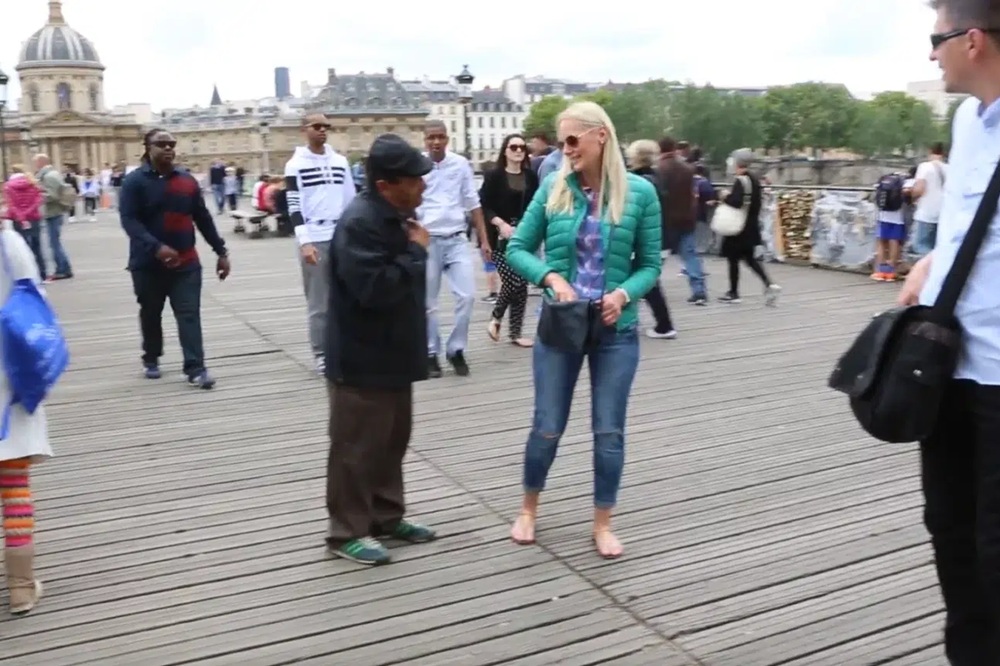
Someone ties a bracelet around your wrist without asking and then demands payment.
This often happens near:
-
Montmartre
-
Tourist viewpoints
-
Busy pedestrian areas
How to Avoid It
-
Keep your hands close to your body
-
Firmly say “Non”
-
Don’t let anyone touch your arm
If they can’t touch you, the scam fails.
The “You Dropped This” Trick
How It Works
Someone claims you dropped:
-
A ring
-
A bill
-
A piece of jewelry
They try to:
-
Hand it to you
-
Create confusion
-
Ask for a reward
Meanwhile, another person may target your bag or pockets.
How to Avoid It
-
Say it’s not yours
-
Don’t touch the item
-
Walk away
If you didn’t drop it, you don’t need to explain anything.
The Fake Survey or Questionnaire
How It Works
Similar to the petition scam, but framed as:
-
A survey
-
A student project
-
A quick question
The goal is distraction and proximity.
How to Avoid It
-
Don’t stop
-
Don’t answer
-
Keep moving
Real surveys don’t chase tourists on the street.
The Shell Game (Street Gambling Scam)
How It Works
You’ll see a small crowd watching a fast-moving game where it looks like people are winning money.
Reality:
-
The “winners” are part of the scam
-
The game is rigged
-
Tourists always lose
How to Avoid It
-
Never participate
-
Don’t linger
-
Walk away immediately
There is no “almost winning” here.
Overcharging in Unofficial Taxis
How It Works
An unlicensed driver offers a ride near:
-
Airports
-
Train stations
They may:
-
Skip the meter
-
Charge inflated prices
How to Avoid It
-
Use official taxis or ride apps
-
Ignore drivers approaching you inside terminals
-
Follow official taxi signs
If someone approaches you first, be cautious.
The “Free” Rose or Gift
How It Works
Someone offers:
-
A rose
-
A small souvenir
-
A “gift”
Once you accept, they demand money.
This often targets couples.
How to Avoid It
-
Don’t take anything
-
Say no clearly
-
Keep walking
Nothing offered on the street is truly free.
Fake Police Officers
How It Works
Someone claims to be police and asks to:
-
See your wallet
-
Check your money
This is rare—but serious.
How to Avoid It
-
Ask to see official ID
-
Suggest going to a police station
-
Never hand over your wallet
Real police do not conduct random cash checks on tourists.
ATM Distraction Scams
How It Works
Someone tries to:
-
Help you use the ATM
-
Distract you while you withdraw money
How to Avoid It
-
Use indoor ATMs
-
Don’t accept help
-
Shield your PIN
ATMs are a common distraction point.
Where Scams Happen Most Often
Be extra alert:
-
Near major landmarks
-
In crowded metro stations
-
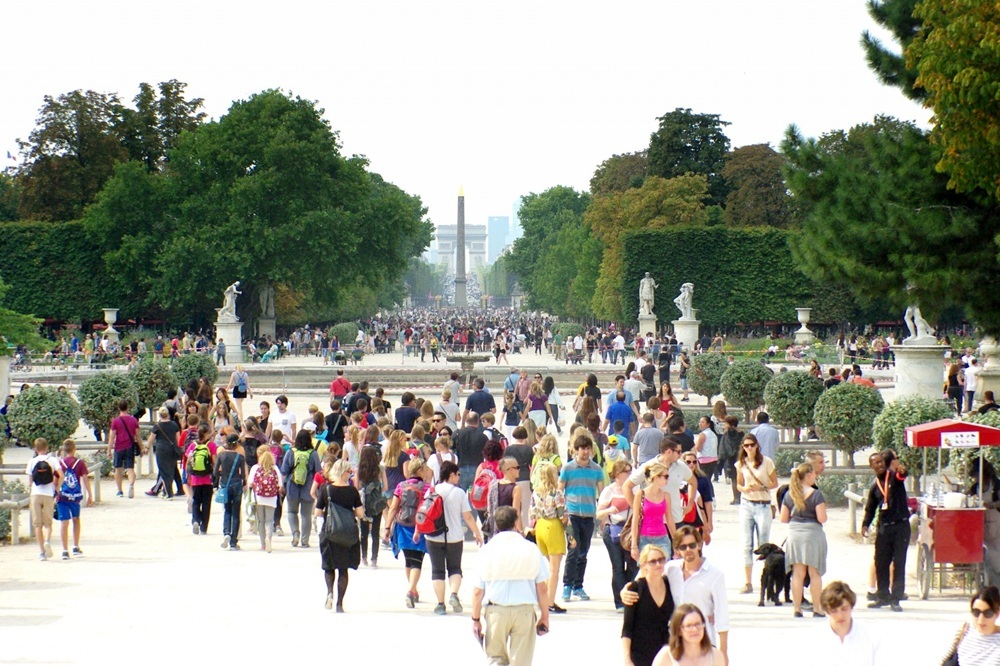
Around tourist-heavy neighborhoods
-
At airports and train stations
Scammers go where tourists gather.
Why Tourists Are Targeted (And Locals Aren’t)
Tourists:
-
Are polite
-
Don’t want to be rude
-
Stop to listen
-
Are distracted
Scammers rely on social pressure—not force.
Confidence is your shield.
The One Rule That Stops Almost Every Scam
Remember this:
If a stranger approaches you unexpectedly in a tourist area, you are allowed to say no and walk away.
You owe no explanation.
You owe no politeness beyond basic respect.
What If You Realize Too Late?
If you suspect a scam:
-
Check your belongings immediately
-
Cancel cards if needed
-
Move to a safe, public place
Embarrassment fades. Awareness lasts.
Final Answer: What Scams Should Tourists Watch Out For?
Tourists should watch out for:
-
Petition and fake survey scams
-
Friendship bracelets and “free” gifts
-
Distraction thefts
-
Street gambling
-
Unofficial taxis
-
Fake authority figures
None of these scams work if you keep moving, stay aware, and don’t engage.
Paris is not out to trick you.
A few individuals are—and they rely on hesitation.
Now you won’t give them that chance.