Direct Answer: The Languages of Munich
If you’re planning a trip or move to Munich, the most direct answer is that German is the official language, but the local dialect—Bavarian (Bairisch)—is widely spoken in everyday life. Additionally, English is common in tourist areas, business settings, and among younger generations. However, the linguistic landscape is richer than a simple label. This guide covers standard German, the Bavarian dialect, minority languages, and practical advice for visitors.
Standard German (Hochdeutsch) in Munich
Standard German, known as Hochdeutsch, is the official language used in schools, media, government, and formal situations across Germany, including Munich. Virtually all residents understand and speak it fluently. If you learned German in a classroom, you’ll be able to communicate effectively in Munich. Signs, menus, and public announcements are predominantly in standard German.
When Standard German Is the Norm
- Official documents and government offices – All paperwork is in standard German.
- Education – Schools teach in Hochdeutsch, though dialect may be used informally.
- Media – Newspapers, TV news, and radio broadcasts use standard German.
- Business and professional settings – Meetings and emails are typically in standard German.
The Bavarian Dialect (Bairisch) – What Locals Really Speak
When you hear locals chatting at a beer garden or market, you’re likely hearing Bavarian, a dialect group distinct from standard German. Bavarian is not a single dialect but a collection of local varieties spoken in Bavaria, Austria, and South Tyrol. In Munich, the dialect is often called Münchnerisch or Münchnerisch Bairisch.
Best Hotels in Munich
Enjoy exclusive partner deals available through EuroVistaTrips and book before the best rooms sell out.
Check Today's DealsHotel Map in Munich
Explore hotel locations near the city center, attractions and transport before choosing where to stay.
View Hotels MapKey Features of the Bavarian Dialect
- Pronunciation differences – For example, standard German “ich” (I) becomes “i” in Bavarian; “auch” (also) becomes “a” or “aa”.
- Vocabulary variations – Standard Grüß Gott (hello) is used instead of Hallo; Servus (hello/goodbye) is common.
- Grammar differences – The past tense is often formed differently; the genitive case is rarely used.
Is Bavarian a Separate Language?
Linguistically, Bavarian is considered a dialect group of German, though some argue it could be a separate language due to low mutual intelligibility with standard German for untrained ears. However, in official contexts, it remains a dialect. Most Bavarians are bidialectal: they speak dialect among friends and family but switch to standard German when needed.
English Proficiency in Munich
Munich is a global city with a high level of English proficiency, especially among younger people, professionals, and those in the tourism industry. According to the EF English Proficiency Index, Germany ranks among the top countries for English skills, and Munich is one of the best cities for English speakers. You can get by in English in most hotels, restaurants, and shops in the city center. However, learning a few German phrases is appreciated.
Where English Is Commonly Spoken
- Tourist attractions (Marienplatz, museums, Oktoberfest)
- International companies and startups
- Universities (many master’s programs are in English)
- Expat communities
Other Languages Spoken in Munich
Munich is a multicultural city with significant immigrant communities. You’ll hear Turkish, Croatian, Italian, Greek, Arabic, and Russian among others. The city also has a sizable English-speaking expat population. Additionally, many international tourists speak English, French, or Spanish.
HOTELS TO COMPARE
Staying in Munich?
Compare a few well-rated hotel options before you book.
Finding hotel options…
Practical Tips for Visitors and Expats
Language Checklist for Your Munich Trip
- Learn basic German greetings: Hallo (hello), Tschüss (bye), Danke (thank you).
- Use Grüß Gott in more formal or rural settings – it’s considered polite.
- Know that Servus works for both hello and goodbye in Bavaria.
- Don’t worry if you don’t understand dialect – locals will switch to standard German or English.
- Carry a phrasebook or use a translation app for menus (though many have English translations).
Common Mistakes to Avoid
- Assuming everyone speaks English – While many do, especially older people or in smaller shops may not. Have a few German words ready.
- Using High German phrases that sound too formal – For example, Wie geht es Ihnen? is fine but Wie geht’s? is more natural.
- Confusing Bavarian dialect with standard German – If you learn standard German, you’ll be understood, but you might not understand local banter.
Frequently Asked Questions
Do people in Munich speak English?
Yes, especially in tourist areas, hotels, and among younger people. You can get by without German, but learning basic phrases enhances your experience.
Is Bavarian hard to understand for German speakers from other regions?
Yes, even native German speakers from northern Germany can struggle with strong Bavarian dialect. However, most Bavarians can switch to standard German when needed.
What is the official language in Munich?
The official language is German (specifically standard German), but the local dialect is Bavarian.
Should I learn standard German or Bavarian before visiting?
Standard German is sufficient and more widely useful. Learning a few Bavarian phrases like Servus or Oidah (a colloquial greeting) can be fun but isn’t necessary.
Can I live in Munich without speaking German?
Possible but challenging. While many expats work in English-speaking jobs, daily life (bureaucracy, healthcare, socializing) is easier with German. Learning basic German is highly recommended.
Final Recommendations: Navigating Munich’s Languages
To make the most of your time in Munich, embrace the linguistic diversity. Start with standard German basics, be open to hearing Bavarian dialect, and don’t hesitate to use English when needed. Locals appreciate any attempt to speak their language, even if it’s just a friendly Servus. Remember, language is a gateway to culture—so whether you’re ordering a Weißwurst or asking for directions, a little effort goes a long way. Enjoy your time in Munich!
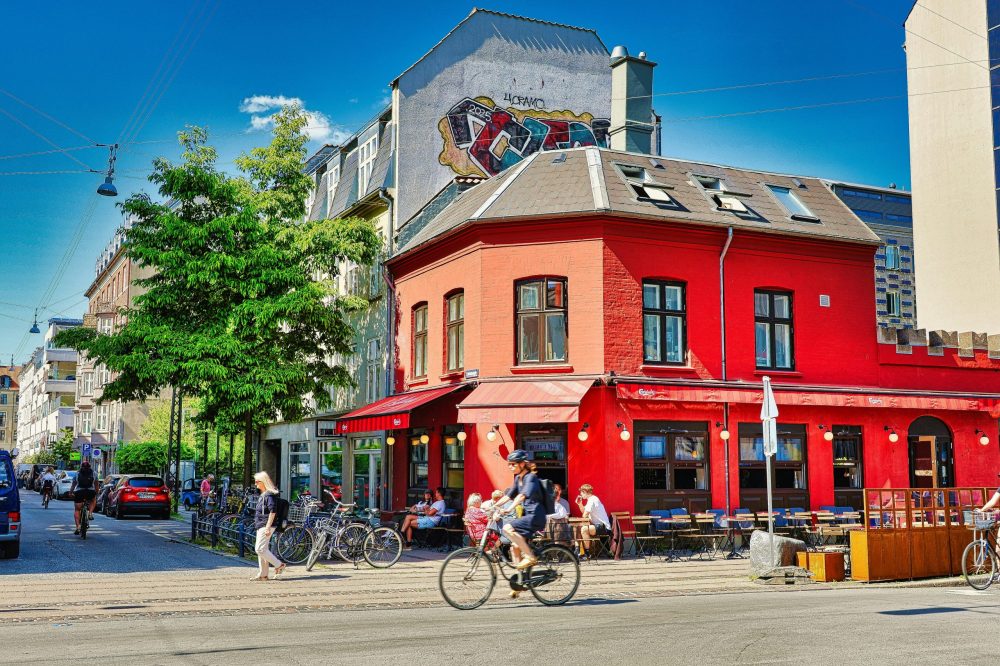
Photo by Bastian Riccardi on Pexels
Where to stay in Munich
MORE OPTIONS
More Munich hotels worth comparing
A few additional well-rated options if you want to compare a wider shortlist.
Finding hotel options…