The Official Currency in Munich: The Euro (EUR)
If you’re wondering what currency is used in Munich, the answer is the euro (EUR, €). Munich, as the capital of Bavaria and a major city in Germany, uses the euro just like the rest of the Eurozone. Since 2002, the euro has replaced the Deutsche Mark, and today all cash transactions, prices, and banking in Munich are in euros.
Understanding Euro Banknotes and Coins
The euro comes in seven banknotes: €5, €10, €20, €50, €100, €200, and €500 (though €500 notes are rarely used and not accepted in many shops). Coins come in denominations of 1, 2, 5, 10, 20, and 50 cents, plus €1 and €2 coins. All euro coins are valid across the Eurozone, so you can use coins from other European countries in Munich without issue.
Where to Get Euros in Munich
ATMs (Geldautomaten)
The most convenient way to get cash is from ATMs, which are plentiful throughout Munich. Look for banks like Sparkasse, Deutsche Bank, Commerzbank, or HypoVereinsbank. Most ATMs accept international cards with Visa, Mastercard, or Maestro logos. Be aware that some ATMs charge a fee, usually around €4-€6 per withdrawal, and your home bank may add its own fees.
Best Hotels in Munich
Enjoy exclusive partner deals available through EuroVistaTrips and book before the best rooms sell out.
Check Today's DealsHotel Map in Munich
Explore hotel locations near the city center, attractions and transport before choosing where to stay.
View Hotels MapCurrency Exchange Offices
Exchange offices (Wechselstuben) are found at Munich Airport (MUC) and at Hauptbahnhof (main train station). However, their rates are often worse than ATM rates. Avoid exchanging money at airports or hotels unless absolutely necessary.
Banks
You can exchange currency at bank branches, but they typically have limited hours (Mon-Fri 9:00-16:00) and may require an account. Not all banks offer walk-in exchange services.
Credit and Debit Card Acceptance in Munich
Munich is a modern city, but cash is still king in many places. Large hotels, chain stores, restaurants, and supermarkets accept credit cards (Visa, Mastercard, American Express). However, many smaller shops, bakeries, cafés, and traditional beer gardens (Biergärten) prefer cash. Some places have a minimum purchase amount for card payments (often €5 or €10). Always carry some cash for small purchases.
Practical Tips for Managing Money in Munich
- Notify your bank before traveling to avoid card blocks.
- Use ATMs attached to banks rather than standalone machines to reduce skimming risk.
- Carry small denominations (€5, €10, €20) for daily use; many places dislike large €50 or €100 notes.
- Check for dynamic currency conversion at ATMs and point-of-sale terminals; always choose to be charged in euros to avoid poor exchange rates.
- Keep some coins for public restrooms (often €0.50-€1) and parking meters.
Currency Exchange Rates and Fees
Exchange rates fluctuate daily. As of 2025, 1 USD is approximately 0.92 EUR, and 1 GBP is about 1.17 EUR. For the best rates, withdraw cash from ATMs using a debit card with low foreign transaction fees. Avoid exchange offices with high commissions or poor rates. Online comparison tools like XE.com can help you track rates.
Cash vs. Card: What Locals Use
Many Munich residents still prefer cash for everyday purchases, especially in traditional settings. However, younger people and tourists often use cards or mobile payments (Apple Pay, Google Pay) in larger stores. For a stress-free trip, adopt a hybrid approach: use cards for big expenses (hotels, car rentals, shopping) and cash for small items and tips.
Common Mistakes to Avoid
- Relying solely on credit cards – you may be turned away at small businesses.
- Exchanging money at airports – poor rates and high fees.
- Using dynamic currency conversion – always choose local currency.
- Carrying too much cash – risk of loss or theft; use ATMs as needed.
- Forgetting to notify your bank – card may be blocked.
Checklist for Managing Money in Munich
- ✅ Inform your bank of travel dates.
- ✅ Bring a mix of credit and debit cards.
- ✅ Withdraw a small amount of euros from an ATM upon arrival.
- ✅ Keep €50-€100 in cash for immediate needs.
- ✅ Check card fees for foreign transactions.
- ✅ Download a currency converter app.
- ✅ Store emergency cash separately.
Frequently Asked Questions About Currency in Munich
Can I use US dollars in Munich?
No, US dollars are not accepted. You must exchange them for euros at a bank, exchange office, or ATM.
Is Munich expensive for tourists?
Munich is moderately expensive. A meal at a mid-range restaurant costs around €15-€25, a beer at a beer garden about €4-€5, and public transport day ticket around €8-€10.
Should I tip in cash or card?
Tips are usually given in cash, even if you pay the bill by card. It’s customary to round up or leave 5-10% for good service.
Are there ATMs at Munich Airport?
Yes, there are multiple ATMs at Munich Airport in both terminals and the central area. They are accessible 24/7.
What is the best way to get euros before arriving?
Order euros from your home bank before departure, or simply withdraw from an ATM upon arrival for competitive rates.
Do I need to carry my passport to exchange money?
Yes, exchange offices and banks usually require a valid passport for currency exchange.
Your Next Steps for a Smooth Money Experience in Munich
Now that you know the currency used in Munich is the euro, prepare accordingly: notify your bank, bring a mix of payment methods, and always keep some cash handy. With these practical tips, you’ll avoid common pitfalls and enjoy Bavaria’s vibrant capital without financial stress. Safe travels!
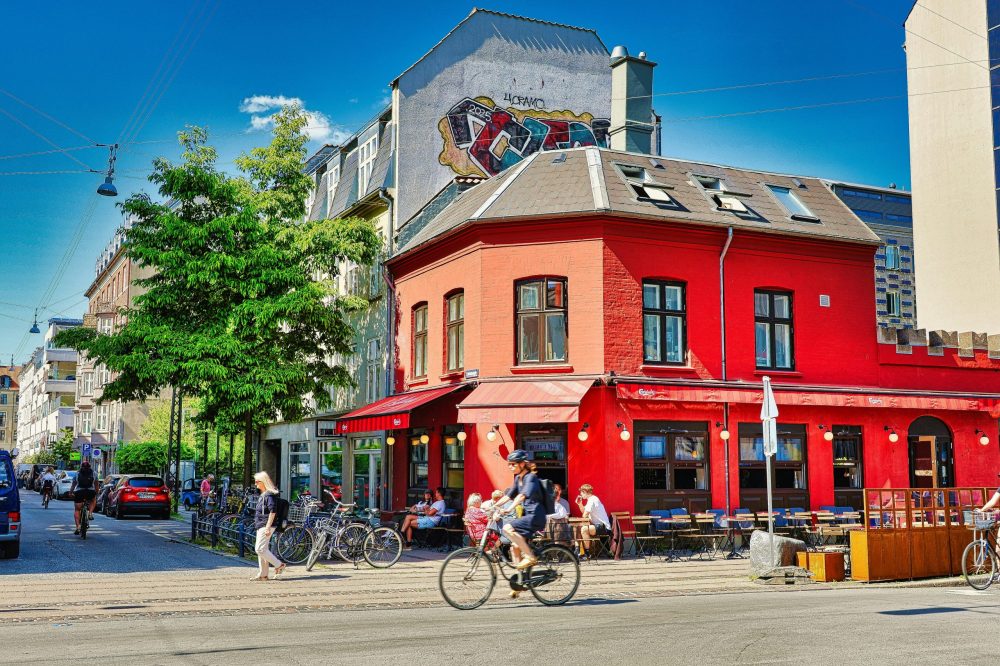
Photo by Babak Habibi on Unsplash