
Table des matières:
Understanding Nice’s UNESCO Status
If you’re planning a trip to the French Riviera, you might wonder: Is Nice a UNESCO World Heritage site? The answer is yes. In July 2021, the city of Nice was inscribed on the UNESCO World Heritage List under the title “Nice, Winter Resort Town of the Riviera.” This designation recognizes the city’s unique urban planning and architecture that evolved from the 18th to the mid-20th century, shaped by its role as a premier winter destination for European aristocracy.
What Part of Nice Is a UNESCO World Heritage Site?
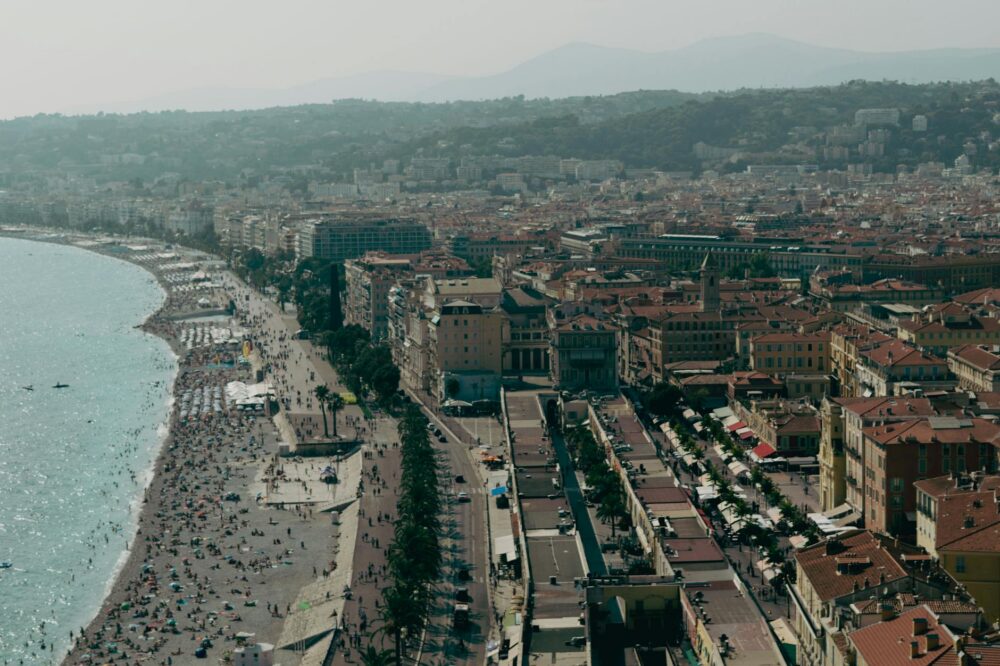
Not all of Nice is protected. The UNESCO listing covers a specific area known as the “Winter Resort Town of the Riviera.” This includes several distinct districts and landmarks that showcase the city’s winter resort heritage. The inscribed property spans approximately 523 hectares (about 1,292 acres) and includes:
- The Promenade des Anglais – the iconic seaside boulevard.
- Le Château hill – the historic hill with panoramic views.
- The Old Town (Vieux Nice) – the historic center with narrow streets and colorful buildings.
- The Cimiez district – known for its Belle Époque villas and gardens.
- The Carabacel district – an area with grand hotels and private mansions.
- The Mont Boron district – a residential area with fortifications and green spaces.
Why Was Nice Recognized as a UNESCO World Heritage Site?
Nice earned its UNESCO status due to its exceptional testimony to the development of winter tourism in the 18th and 19th centuries. The city’s urban layout, with its sweeping promenade, grand hotels, private villas, and landscaped parks, reflects the needs of a cosmopolitan winter resort. UNESCO highlighted Nice’s “outstanding universal value” as a model of winter resort town planning that influenced similar developments worldwide.
How Does Nice Compare to Other UNESCO Sites in France?
France is home to numerous UNESCO World Heritage sites, including the Palace of Versailles, Mont-Saint-Michel, and the Banks of the Seine in Paris. Nice’s inscription adds a unique category: a city that evolved as a winter resort. Unlike many historic centers recognized for medieval or Renaissance heritage, Nice’s UNESCO designation focuses on a more recent period (18th-20th centuries) and the specific phenomenon of winter tourism. This makes it a distinct addition to France’s list of protected sites.
Visiting the UNESCO Zones in Nice: A Practical Guide
How to Explore the Inscribed Area
The UNESCO area is walkable, and you can cover most of it in a day or two. Start at the Promenade des Anglais, then head into the Old Town for its vibrant markets and narrow streets. Don’t miss the Castle Hill (Colline du Château) for a panoramic view. In the afternoon, take a bus or taxi to the Cimiez district to see the Belle Époque architecture and the Matisse Museum.
Must-See Landmarks Within the UNESCO Area
- Promenade des Anglais – a 7-kilometer walkway along the Baie des Anges.
- Place Masséna – the main square with black-and-white checkered pavement.
- Nice Old Town (Vieux Nice) – home to the Cours Saleya flower market.
- Castle Hill – offers the best views of the city and sea.
- Cimiez Monastery and Gardens – a peaceful spot with Roman ruins.
- Musée Masséna – a museum dedicated to the history of Nice, housed in a Belle Époque villa.
Tips for a Respectful Visit
- Respect private property: many villas are still inhabited.
- Follow local rules: do not climb on historic structures.
- Use public transport or walk to reduce environmental impact.
- Hire a licensed guide for deeper insights into the city’s heritage.
Common Misconceptions About Nice’s UNESCO Status
Mistake 1: Thinking All of Nice Is Protected
Only specific districts are part of the UNESCO listing. Modern areas like the port, the airport, and newer suburbs are not included. The designation focuses on the historic winter resort core.
Mistake 2: Assuming the UNESCO Status Is About Beaches
While the Promenade des Anglais is part of the site, the UNESCO recognition is about urban planning and architecture, not the beaches themselves. The beaches are a separate attraction.
Mistake 3: Believing the Status Limits Development
UNESCO designation does not freeze the city in time. It encourages preservation of the historic character but allows for modern improvements that respect the heritage. Nice continues to evolve while maintaining its unique identity.
Practical Checklist for Your UNESCO Visit to Nice
| What to Do | Why It Matters |
|---|---|
| Walk the entire Promenade des Anglais | Experience the iconic waterfront that defines Nice’s winter resort character. |
| Visit the Old Town and Cours Saleya market | See the historic heart of the city with its vibrant daily life. |
| Climb Castle Hill for sunrise or sunset | Get the best panoramic view of the UNESCO area and the bay. |
| Explore the Cimiez district | Discover Belle Époque villas and gardens that epitomize winter resort luxury. |
| Take a guided heritage tour | Learn the history behind the architecture and urban planning. |
Frequently Asked Questions About Nice and UNESCO
Is Nice a UNESCO World Heritage site?
Yes, Nice was inscribed as a UNESCO World Heritage site in 2021 under the name “Nice, Winter Resort Town of the Riviera.”
What does the UNESCO designation cover in Nice?
The designation covers approximately 523 hectares including the Promenade des Anglais, Old Town, Castle Hill, Cimiez, Carabacel, and Mont Boron districts.
Why was Nice added to the UNESCO list?
Nice was recognized for its outstanding universal value as a winter resort town that developed between the 18th and mid-20th centuries, influencing urban planning worldwide.
Can you visit all UNESCO parts of Nice for free?
Yes, most areas are public spaces you can explore for free. Some museums or gardens may charge an entrance fee.
How long does it take to see the UNESCO area?
You can see the main highlights in one full day, but two days allow for a more relaxed exploration of all districts.
Are there any restrictions for visitors in the UNESCO zone?
No special restrictions, but visitors should respect private property, follow local regulations, and avoid damaging historic structures.
Your Next Steps: Planning a UNESCO-Focused Trip to Nice
Now that you know Nice is a UNESCO World Heritage site, you can plan your visit with a deeper appreciation for its history. Start by mapping out the inscribed districts, book a guided tour to uncover hidden stories, and allow time to simply wander and absorb the atmosphere. Whether you’re a history buff, architecture enthusiast, or casual traveler, Nice’s UNESCO status adds a meaningful layer to your experience on the French Riviera.
For the latest updates on preservation efforts and visitor information, check the official Nice tourism website or the UNESCO World Heritage Centre page for Nice.
Photo by Balázs Gábor on Pexels

This is very helpful for planning my itinerary. I see that the UNESCO area is about 523 hectares. Is it feasible to walk between all the districts mentioned, or should I use public transport?
You can definitely walk between the Promenade des Anglais, Old Town, and Castle Hill, as they are close together. However, for Cimiez and Mont Boron, which are farther uphill, you might want to take a bus or taxi. The area is walkable if you have a full day, but using transport for the outer districts will save time and energy.
I’m planning a trip to Nice and was curious if the entire city is a UNESCO site. Thanks for clarifying that only certain districts are included. Can you tell me if the Old Town is fully part of the UNESCO zone?
Yes, the Old Town (Vieux Nice) is included in the UNESCO listing as part of the ‘Winter Resort Town of the Riviera’ designation. While the entire Old Town is within the inscribed area, the UNESCO recognition focuses on the urban planning and architecture related to winter tourism, so you’ll see a mix of historic buildings and modern shops. Enjoy your visit!
Great article! I didn’t realize Nice was recognized for winter tourism rather than just as a summer destination. Is there a specific reason why the UNESCO designation focuses on the winter resort aspect?
Absolutely. Nice became a popular winter retreat for European aristocracy in the 18th and 19th centuries, which shaped its urban layout with grand hotels, villas, and the famous Promenade. UNESCO recognized this as an outstanding example of a winter resort town, distinct from other historic sites that focus on medieval or Renaissance heritage. That’s why the listing highlights the winter resort identity.