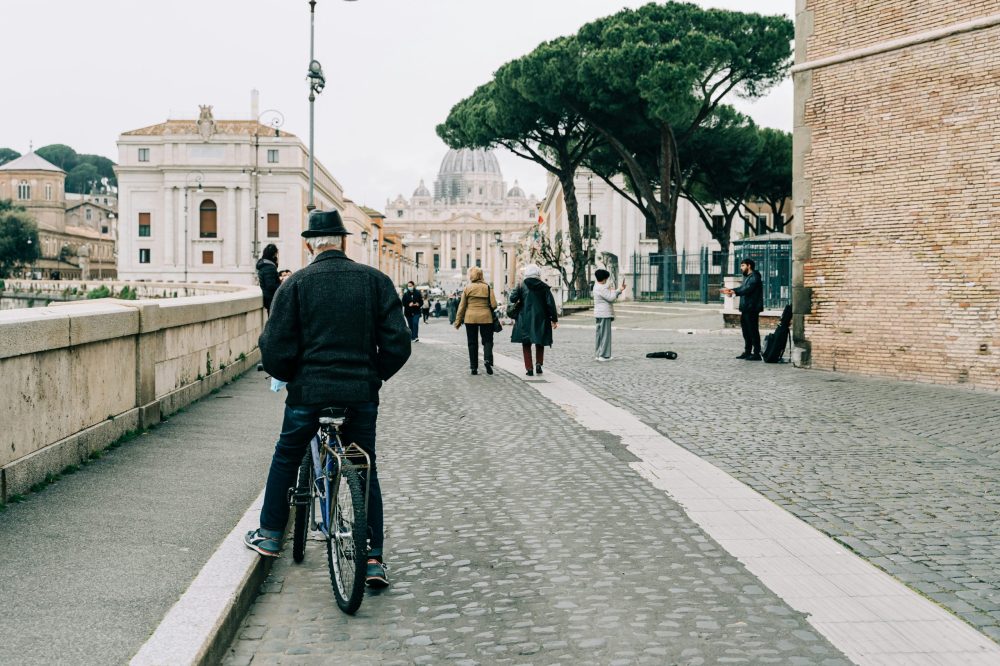
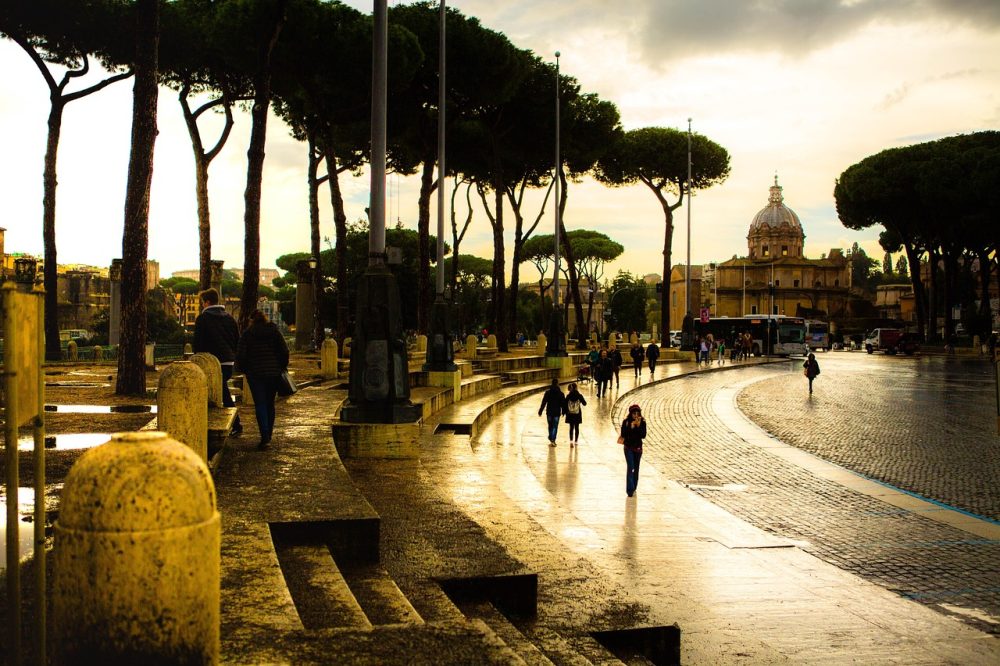
Planning a cultural trip to Rome on a budget? You don’t need to sacrifice comfort or location to save money. This guide shows you how to find cheap hotels in Rome for a cultural trip, with actionable tips, neighborhood insights, and booking strategies used by savvy travelers. Whether you’re after ancient ruins, Renaissance art, or authentic Roman cuisine, affordable accommodation is within reach.
Why Rome Doesn’t Have to Break the Bank
Rome is one of the world’s most culturally rich cities, but accommodation costs can be steep. However, with the right approach, you can find budget-friendly hotels that put you close to major attractions like the Colosseum, Vatican Museums, and Trevi Fountain. The key is knowing where to look and when to book.
Top Neighborhoods for Budget Hotels Near Cultural Sites
Trastevere: Authentic Roman Life at Lower Prices
Trastevere offers narrow cobblestone streets, vibrant nightlife, and a local atmosphere. Hotels here are often cheaper than those near the Colosseum, yet you’re just a 15-minute walk from the historic center. Look for family-run B&Bs and guesthouses for the best deals.
Best Hotels in Rome
Enjoy exclusive partner deals available through EuroVistaTrips and book before the best rooms sell out.
Check Today's DealsHotel Map in Rome
Explore hotel locations near the city center, attractions and transport before choosing where to stay.
View Hotels MapMonti: Hip and Central Without the Premium
Monti is Rome’s trendy neighborhood near the Colosseum and Roman Forum. It has a village feel with independent boutiques and wine bars. Accommodation prices are moderate, and you can find affordable hotels and hostels with character.
San Lorenzo: Student Vibe and Rock-Bottom Prices
Near Sapienza University, San Lorenzo is full of budget hotels, hostels, and cheap eateries. It’s less touristy but well-connected by bus and tram to the center. Ideal for travelers who prioritize savings over proximity.
Esquilino: Multicultural Hub with Great Transport
Esquilino, around Termini Station, offers a wide range of cheap hotels. It’s a multicultural area with markets and street food. While not as charming as Trastevere, it has excellent metro links to all major sites.
When to Book for the Best Rates
Timing is everything. Rome’s peak season (April–June and September–October) sees higher prices. For cheap hotels, consider visiting in shoulder months like March or November, or winter (excluding Christmas and New Year). Book at least 4–6 weeks in advance for best deals, but last-minute apps can sometimes score discounts.
Smart Booking Strategies
Use Price Comparison Tools
Websites like Booking.com, Hotels.com, and Kayak aggregate prices. Set price alerts for your dates. Also check the hotel’s own website; direct booking often includes perks like free breakfast or late checkout.
Consider Alternative Accommodations
Hostels, guesthouses, and B&Bs often offer private rooms at hotel prices. Platforms like Airbnb and Vrbo have apartments with kitchens, saving money on meals. Look for properties with a kitchenette to prepare simple breakfasts or snacks.
Look for Hidden Fees
Some cheap hotels add city tax (€3–7 per person per night), resort fees, or charges for Wi-Fi. Read the fine print before booking. Free cancellation and no prepayment options give flexibility.
How to Score Last-Minute Deals
If you’re flexible, last-minute booking apps like HotelTonight can offer deep discounts on unsold rooms. This works best for off-peak travel. Also, join hotel loyalty programs for exclusive member rates.
Cultural Trip Must-Sees and How to Save on Entry
While finding cheap hotels, also plan your cultural itinerary to save money. Many museums offer free entry on the first Sunday of the month. The Roma Pass provides discounted access to two attractions and unlimited public transport for 48 or 72 hours. Combine your hotel search with these savings for a truly budget-friendly trip.
Practical Checklist for Booking Your Budget Hotel
- Set a maximum nightly budget before searching.
- Prioritize location: within walking distance or near metro stops.
- Read recent reviews for cleanliness, noise, and safety.
- Check if breakfast is included (saves €10–15 per day).
- Verify Wi-Fi quality if you need to work or plan.
- Look for hotels with luggage storage for late flights.
- Compare total price including taxes and fees.
Common Mistakes to Avoid
Booking too far from the center: You’ll waste time and money on transport. Ignoring reviews about noise: Thin walls can ruin sleep. Assuming all cheap hotels are dirty: Many budget options are spotless; check photos and ratings. Overlooking guesthouses: They often provide a more personal touch and local tips.
Frequently Asked Questions
What is the cheapest area to stay in Rome for culture?
San Lorenzo and Esquilino offer the lowest prices while still being connected to cultural sites. Trastevere provides a good balance of cost and charm.
Can I find a cheap hotel near the Colosseum?
Yes, but expect higher prices. Monti and Celio are nearby neighborhoods with moderate rates. Book well in advance for the best deals.
Is it cheaper to stay in a hostel or a hotel in Rome?
Hostel dorms are cheapest, but private rooms in hostels or budget hotels are comparable. Hostels often have free walking tours and social events.
How much does a budget hotel in Rome cost per night?
In low season, you can find double rooms for €50–80. In high season, expect €100–150. Use filters on booking sites to stay within your budget.
Are there any hidden costs in cheap hotels?
City tax (€3–7 per night), sometimes not included in the displayed price. Also check for charges for air conditioning, Wi-Fi, or breakfast.
Should I book directly or through a third party?
Third-party sites often have better cancellation policies, but direct booking can include perks like free upgrades or breakfast. Compare both.
Your Next Steps: Plan a Budget-Friendly Cultural Trip
Now you know how to find cheap hotels in Rome for a cultural trip. Start by setting your budget, picking a neighborhood, and using price alerts. Combine affordable accommodation with free museum days and the Roma Pass to maximize your cultural experience without overspending. Rome’s history and art await – you just need a smart place to rest your head.
Photo by Joshuan Barboza on Pexels