Last updated on February 10th, 2026 at 11:56 am
Table des matières:
How Does the Paris Metro Work?
How does the Paris Metro work?
Surprisingly well, once you understand the basics. The Paris Metro is one of the oldest, densest, and most efficient subway systems in the world, and it’s the fastest way to get around Paris.
This guide explains how the Paris Metro works step by step, including tickets, lines, zones, transfers, etiquette, and common mistakes tourists make. No transport degree required.
What Is the Paris Metro?
The Paris Metro is the city’s underground subway system, operated by RATP.
Key facts:
-
16 main lines (numbered 1–14, plus a few extras)
-
Over 300 stations
-
Trains every 2–5 minutes
-
Covers almost all of central Paris
If something is “in Paris,” the Metro probably goes there.
Understanding Paris Metro Lines and Numbers
Each Metro line has:
-
A number
-
A color
-
Two end stations (direction matters)
For example:
-
Line 1 runs east–west
-
Line 4 runs north–south
-
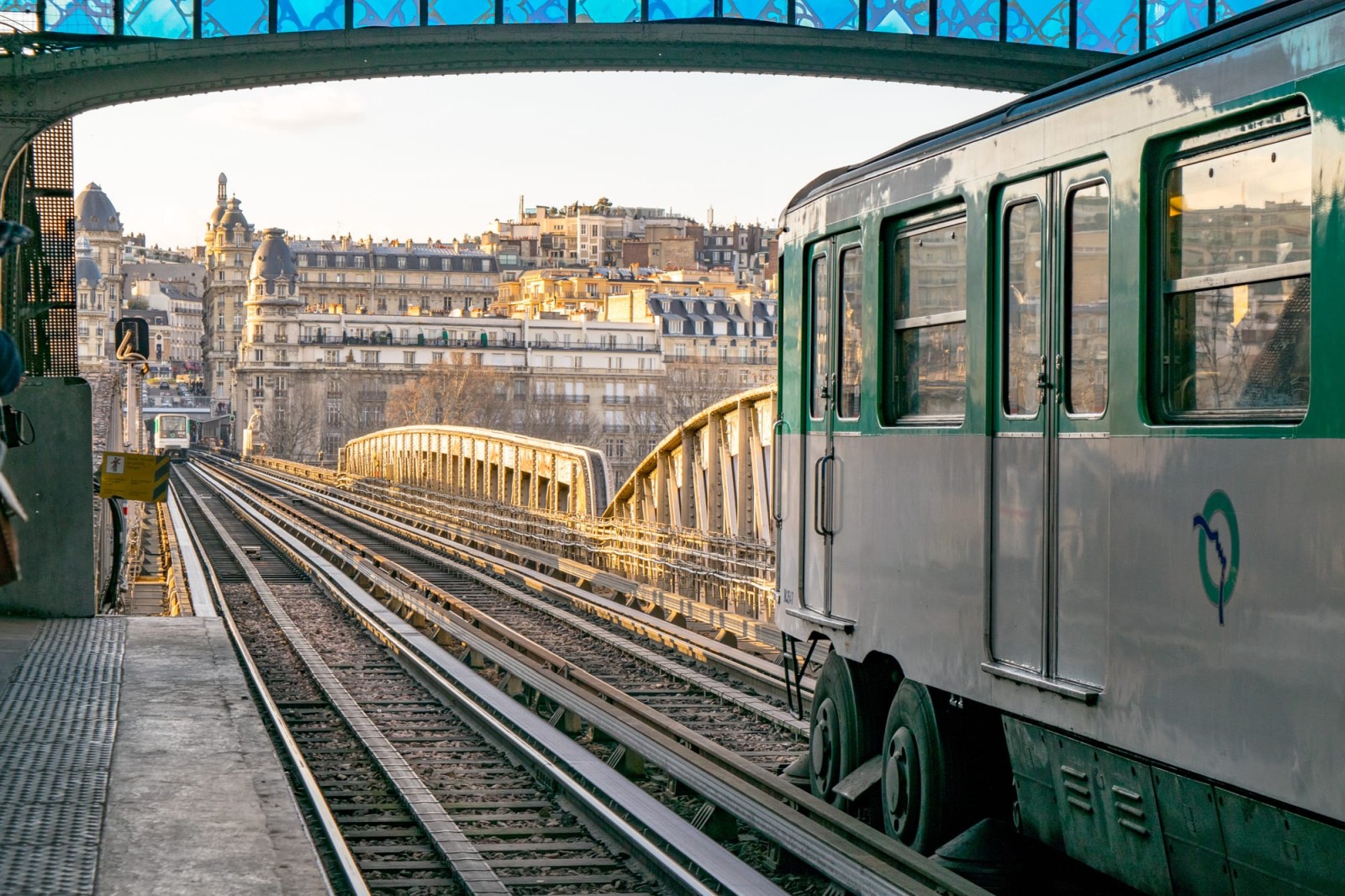
Line 6 is partly above ground with great views
When navigating, you don’t say “Line 1 toward the city.”
You say “Line 1 toward La Défense” or “Line 1 toward Château de Vincennes.”
Direction is defined by the last station on the line, not the compass. This confuses everyone at first. You’ll survive.
How Do You Buy Tickets for the Paris Metro?
The Metro uses a zone-based ticket system, but tourists mostly deal with Zone 1, which covers central Paris.
Common Ticket Options
Single Ticket (t+)
-
One journey
-
Transfers allowed between metro lines
-
Not valid for long-distance RER trips outside central Paris
Day Pass
-
Unlimited travel for one day
-
Good for sightseeing-heavy days
Weekly Pass
-
Very cost-effective if staying several days
-
Runs Monday to Sunday
Tickets can be bought from:
-
Ticket machines
-
Metro counters
-
Official transport apps
Keep your ticket until you exit. Random checks happen. Fines are not poetic.
How Do You Enter and Exit the Paris Metro?
Entering
-
Insert or tap your ticket at the gate
-
Gates open
-
Walk through confidently
Exiting
-
Simply walk out
-
No ticket required at exit, unless transferring to RER zones
If the gate beeps angrily, don’t panic. Try again or move to another gate.
How Transfers Work in the Paris Metro
Transfers are free and unlimited within the same journey, as long as:
-
You stay inside the system
-
You don’t exit through gates
Follow the correspondance signs (that’s “transfer” in French).
Transfers can involve:
-
Long corridors
-
Escalators
-
A bit of walking
This is normal. Paris is old. It was not built for efficiency or comfort. It was built for history.
Paris Metro vs RER: What’s the Difference?
Tourists often confuse the two.
Metro
-
Short distances
-
Dense station network
-
Best for city sightseeing
RER
-
Regional express trains
-
Connect suburbs and airports
-
Fewer stops, faster
Inside central Paris, the RER feels like a fast Metro. Outside, ticket rules change. Pay attention to zones.
Metro Operating Hours
The Paris Metro generally runs:
-
From ~5:30 am
-
Until ~12:30 am
-
Later on weekends (around 1:30–2:00 am)
Night owls should plan alternatives after midnight:
-
Night buses
-
Taxis
-
Ride-hailing apps
The Metro does not run 24/7. Paris needs sleep too.
Is the Paris Metro Easy to Use for Tourists?
Yes. And also mildly overwhelming for the first 10 minutes.
Why it’s tourist-friendly:
-
Clear maps everywhere
-
Station names announced
-
Trains are frequent
-
Signs include symbols and colors
Why it’s confusing:
-
Stations have multiple exits
-
Some transfers are long
-
Maps look busy
-
French happens
Once you’ve done two rides, it clicks.
Metro Etiquette: How Not to Annoy Everyone
Follow these unwritten rules:
-
Stand on the right, walk on the left (on escalators)
-
Let people exit before entering
-
Keep bags off seats
-
Don’t block doors
-
Keep voices down
Nobody will explain this to you. They will just judge silently.
Safety on the Paris Metro
The Metro is generally safe, but:
-
Watch your belongings
-
Be cautious in crowded trains
-
Avoid empty carriages late at night
Pickpocketing targets distracted tourists. Awareness solves most problems.
Common Mistakes Tourists Make on the Paris Metro
Let’s prevent character development.
Mistakes to Avoid
-
Getting on the wrong direction train
-
Throwing away tickets too early
-
Confusing Metro and RER tickets
-
Not checking last train times
-
Standing still on escalator left side
Everyone does at least one of these. It’s fine.
Why the Paris Metro Is Actually Brilliant
Despite the confusion, the Paris Metro is:
-
Fast
-
Affordable
-
Extensive
-
Reliable
It’s often faster than taxis, especially during rush hour. Once you trust it, Paris opens up effortlessly.
How Does the Paris Metro Work?
The Paris Metro works through numbered lines, clear directions based on end stations, simple ticketing for central Paris, and frequent trains that connect nearly every part of the city.
Learn the basics, respect the flow, and the system becomes your best travel tool in Paris.
The Metro looks intimidating. It’s just very French about it.