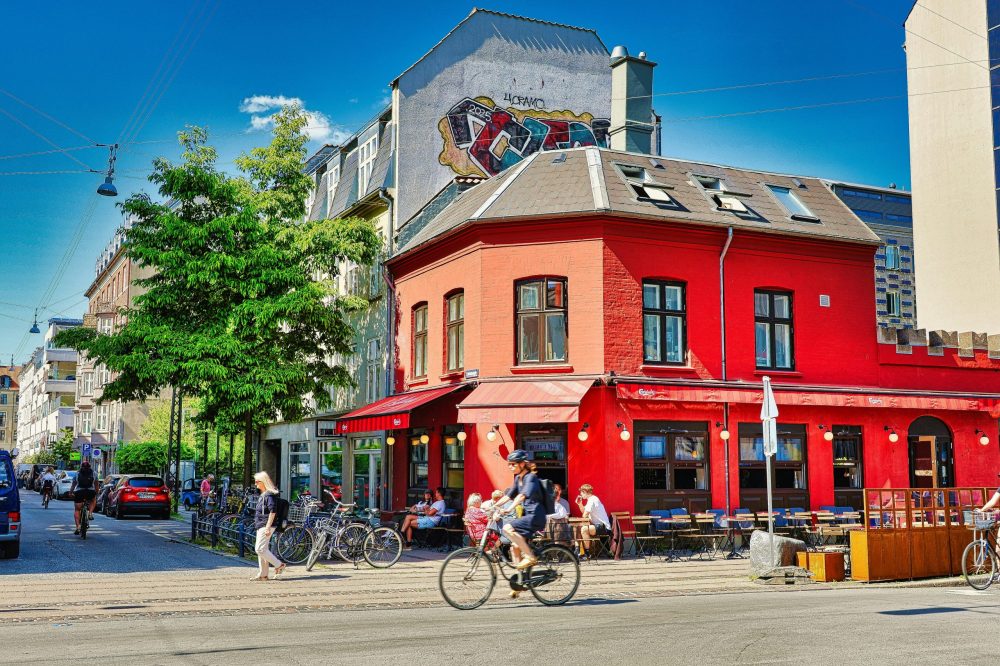
Planning a trip to Europe’s enchanting Christmas markets? Timing can make or break your experience. The best time to visit the Christmas markets depends on your priorities: fewer crowds, festive atmosphere, or budget-friendly travel. Most markets run from late November through December 24, but the sweet spot often lies in early December. This guide breaks down every factor so you can choose the perfect window for your holiday adventure.
Understanding Christmas Market Seasons
Christmas markets typically open in late November, with many starting on the Friday before the first Advent weekend (late November) and closing on December 23 or 24. Some extend into early January. The season divides into three distinct periods: early season (late November to early December), peak season (mid-December), and late season (the week before Christmas). Each offers a different vibe.
Early Season: Late November to Early December
This is the best time to visit Christmas markets if you want a relaxed experience. Crowds are thinner, accommodation prices are lower, and you can enjoy the markets without feeling rushed. The downside? Some markets may not be fully decorated until early December, and the festive atmosphere builds gradually. However, the opening ceremonies often include parades and entertainment.
Best Hotels in Munich
Enjoy exclusive partner deals available through EuroVistaTrips and book before the best rooms sell out.
Check Today's DealsHotel Map in Munich
Explore hotel locations near the city center, attractions and transport before choosing where to stay.
View Hotels Map- Pros: Fewer tourists, cheaper flights and hotels, more personal space.
- Cons: Some stalls may not be open; weather can be cold and wet; less intense holiday buzz.
- Best for: Budget travelers and those who dislike crowds.
Peak Season: Mid-December (Weekends Especially)
Mid-December is the most magical time. Markets are in full swing, decorations are at their best, and the air smells of mulled wine and roasted chestnuts. However, weekends are packed. If you can visit Monday through Thursday, you’ll strike a balance between lively atmosphere and manageable crowds. This is also when many special events, like choir performances and Santa visits, occur.
- Pros: Full festive spirit, all stalls open, best for photos and atmosphere.
- Cons: Peak crowds, higher prices for travel and accommodation.
- Best for: First-time visitors and those seeking the full experience.
Late Season: The Final Week Before Christmas
The week before Christmas (December 17-23) is chaotic but also deeply special. Locals rush to buy last-minute gifts, and the markets buzz with urgency. Many stalls start closing early, and some markets end on December 23. Weather can be bitterly cold, but the lights and energy are unmatched. If you don’t mind crowds, this is a memorable time.
- Pros: Heightened excitement, often snow, last-minute deals on some items.
- Cons: Extremely crowded, limited accommodation, some stalls close early.
- Best for: Those who love the hustle and bustle.
Weekdays vs Weekends: Which Is Better?
If you have flexibility, choose weekdays. Tuesday through Thursday are the least crowded. Monday can be busy in some cities, and Friday gets busier as locals start their weekend. Saturdays are the most crowded, followed by Sundays (though many markets close early on Sunday). For the best experience, aim for a Tuesday or Wednesday visit.
HOTELS TO COMPARE
Staying in Munich?
Compare a few well-rated hotel options before you book.
Finding hotel options…
Time of Day: Morning, Afternoon, or Evening?
The atmosphere changes dramatically throughout the day. Mornings (10 am – 12 pm) are quiet, perfect for browsing without jostling. Afternoons (1 pm – 4 pm) see increasing crowds as day-trippers arrive. Evenings (5 pm – 9 pm) are the most magical with twinkling lights and live music, but also the busiest. For a balanced experience, arrive around 3 pm: enjoy the daylight, then watch the market transform as darkness falls.
Regional Differences in Opening Dates
Not all Christmas markets open at the same time. German markets typically start in late November, while Swiss and Austrian markets often begin in mid-November. Scandinavian markets may open as early as mid-November. French markets vary; Strasbourg’s famous market starts in late November. Always check specific dates for your destination.
Weather Considerations
Weather can affect your enjoyment. December is cold across Europe, but early December tends to be milder. Late December brings colder temperatures and a higher chance of snow. Rain is common in some regions like the UK and the Netherlands. Dress in layers, wear waterproof shoes, and bring gloves. Snowy markets are picturesque, but cold rain can dampen the experience.
Budget-Friendly Timing
Travel costs vary significantly. Early December (before December 10) offers lower flight and hotel prices compared to peak season. Weekday stays are cheaper than weekends. If you’re on a budget, plan your trip for the first week of December, Monday through Thursday. Avoid the period from December 15 to 23 when prices spike.
Special Events and Festivities
Many markets have unique events tied to specific dates. For example, the Nuremberg Christkindlesmarkt opens with a ceremony on the Friday before Advent. The Vienna Christmas Market features concerts on weekends. The Strasbourg market hosts a Christmas parade on certain Saturdays. Check local calendars to align your visit with these highlights.
Common Mistakes to Avoid
- Visiting only on weekends: You’ll face the largest crowds and longest lines.
- Going too early or too late in the day: Early morning markets are sleepy; late evening can be overwhelming.
- Ignoring local holidays: Some markets close early on Christmas Eve or are closed on certain Sundays.
- Not booking accommodation in advance: Hotels fill up quickly, especially in mid-December.
Practical Checklist for Planning Your Visit
- Check market opening dates for your chosen city.
- Book flights and hotels at least 2-3 months ahead for peak times.
- Choose weekdays over weekends for fewer crowds.
- Plan to arrive in the late afternoon for the best atmosphere.
- Pack warm, waterproof clothing and comfortable shoes.
- Bring cash; many smaller stalls don’t accept cards.
- Research local specialties to try (e.g., mulled wine, roasted nuts).
Frequently Asked Questions
What is the best time to visit the Christmas markets in Germany?
Early December (first two weeks) is ideal for German markets: fewer crowds, all stalls open, and lower prices.
Are Christmas markets open on Christmas Day?
Most markets close by December 24. Some end on December 23. A few may reopen on December 26, but it’s rare.
What time do Christmas markets open and close?
Typically, markets open around 10 am and close between 8 pm and 10 pm. Sunday hours may be shorter.
Which city has the best Christmas markets?
Nuremberg, Strasbourg, Vienna, and Cologne are top-rated. Each offers a unique atmosphere.
Is it worth visiting Christmas markets in early November?
Most markets don’t start until late November. Early November visits may find only a few pre-season markets.
How can I avoid crowds at Christmas markets?
Visit on a weekday morning or early afternoon, and avoid the period from December 15-23.
Your Perfect Christmas Market Timeline
For most travelers, the best time to visit Christmas markets is the first two weeks of December, specifically Monday through Thursday. You’ll enjoy the full festive atmosphere without the peak crowds and high prices. If you crave the ultimate holiday buzz, target the weekend before Christmas, but prepare for packed streets. For a quiet, budget-friendly trip, go in late November. No matter when you go, the magic of Christmas markets will leave you with lasting memories. Start planning now, and don’t forget to book early!
Photo by MsErinEast on Pixabay
Where to stay in Munich
MORE OPTIONS
More Munich hotels worth comparing
A few additional well-rated options if you want to compare a wider shortlist.
Finding hotel options…