
Last updated on May 3rd, 2026 at 11:56 pm
Barcelona’s Festa de la Llum (Festival of Light) is a dazzling celebration that transforms the city into a canvas of art, color, and innovation. Held annually in February to mark the feast of Saint Eulàlia, the festival features spectacular light installations, projections, and performances across various neighborhoods. But with so much to see and do, what is the best way to see Barcelona’s Festa de la Llum? This guide provides a comprehensive strategy to ensure you experience the magic without missing a beat.
Table des matières:
Understanding the Festa de la Llum
Before diving into logistics, it’s important to grasp the festival’s scope. The Festa de la Llum honors Barcelona’s co-patron saint, Santa Eulàlia, with a program that includes light art, mapping projections on historical buildings, and interactive installations. The main events are concentrated in the Gothic Quarter and Ciutat Vella, but satellite activities occur in other districts. The festival typically runs for a long weekend, from Thursday to Sunday.
Key Dates and Times
The festival usually takes place in early February. Check the official Barcelona City Council website for exact dates. Most light installations are active from dusk until around 11:00 PM, with some staying on later. The main mapping projections on the Cathedral and other landmarks often have multiple showings each evening.
Planning Your Visit: The Best Way to See Barcelona’s Festa de la Llum
To make the most of the festival, a strategic approach is essential. Here are the key steps to ensure a memorable experience.
1. Choose the Right Day and Time
The festival is busiest on Friday and Saturday nights. For a more relaxed experience, consider attending on Thursday evening or Sunday afternoon/evening. Arrive early, around sunset (6:00–6:30 PM), to secure good viewing spots before the crowds peak. Late-night visits after 10:00 PM can also be less crowded.
2. Prioritize the Must-See Installations
Not all installations are equal. Focus on the highlights:
- Mapping on the Cathedral (Catedral de Barcelona): The centerpiece, with a stunning projection on the Gothic facade.
- Plaça de Sant Jaume: The City Hall and Palau de la Generalitat often feature synchronized light shows.
- Museu d’Història de Barcelona (MUHBA): Creative projections on the Roman walls.
- Interactive installations in Plaça del Rei: Hands-on light art for all ages.
3. Follow a Route
The installations are within walking distance in the Gothic Quarter. A recommended route starts at Plaça de Catalunya, heads down La Rambla, then into the Gothic Quarter via Carrer de Ferran. From there, visit Plaça de Sant Jaume, the Cathedral, and finally Plaça del Rei. This linear path allows you to see the main attractions without backtracking.
Insider Tips for the Best Experience
Beyond the basic plan, these tips will elevate your visit.
Use Public Transport or Walk
The Gothic Quarter is pedestrian-friendly, and many streets are closed to traffic during the festival. Use the metro (Liceu or Jaume I stations) or buses. Avoid driving; parking is scarce and expensive.
Dress Comfortably and Prepare for Weather
February evenings in Barcelona can be chilly (10–15°C / 50–59°F) and occasionally rainy. Wear layers, comfortable walking shoes, and bring a rain jacket or umbrella. The festival continues in light rain, but heavy rain may cancel some outdoor installations.
Arrive Early for Popular Shows
The Cathedral mapping draws huge crowds. Arrive at least 30 minutes before the scheduled start to get a good view. Consider watching from the side or a distance if the front is packed.
Explore Beyond the Gothic Quarter
While the main events are central, other neighborhoods like El Born, Gràcia, and Poblenou host installations. These are often less crowded and offer unique perspectives. Check the official program for a full map.
What to Avoid
To ensure a smooth experience, steer clear of these common pitfalls:
- Don’t try to see everything: The festival is spread out. Focus on 5–7 key installations to avoid exhaustion.
- Avoid peak hours (8:00–10:00 PM): This is when crowds are thickest. Opt for earlier or later slots.
- Don’t forget to look up: Some projections are on upper facades or balconies. Take time to scan the entire building.
Alternative Ways to Experience the Festa de la Llum
If you prefer a guided experience or have specific interests, consider these options.
Guided Tours
Several companies offer walking tours focused on the light installations. These provide historical context and insider knowledge. Tours typically last 2–3 hours and cost around €20–30. Book in advance.
Photography Tips
For photography enthusiasts, bring a tripod (if allowed) and a camera with manual settings. Use a low ISO, wide aperture, and long exposure to capture the lights. The best shots are often from elevated viewpoints or reflections in puddles.
Family-Friendly Viewing
If visiting with children, focus on interactive installations where they can touch and play with light. The installations in Plaça del Rei are particularly kid-friendly. Also, consider attending earlier in the evening when it’s less crowded.
Conclusion
So, what is the best way to see Barcelona’s Festa de la Llum? The answer lies in thoughtful planning: choose the right day and time, prioritize key installations, follow a logical route, and embrace the festival’s magic with comfort and curiosity. By arriving early, using public transport, and exploring beyond the main hubs, you’ll create an unforgettable experience. Whether you’re a first-time visitor or a seasoned festival-goer, the Festa de la Llum offers a luminous journey through Barcelona’s rich history and vibrant creativity. Plan ahead, stay flexible, and let the light guide you.
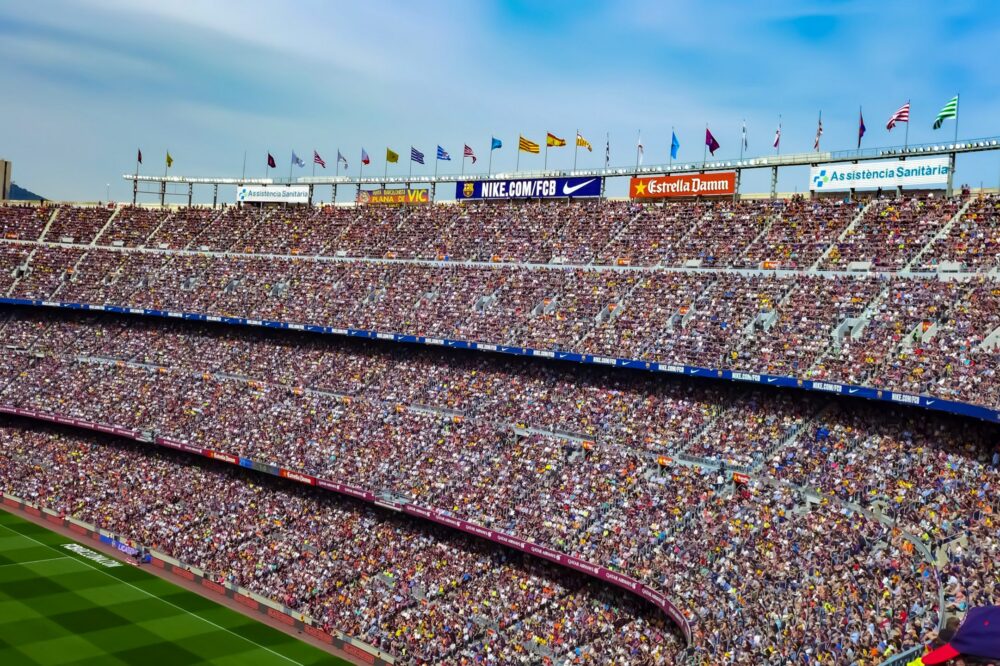
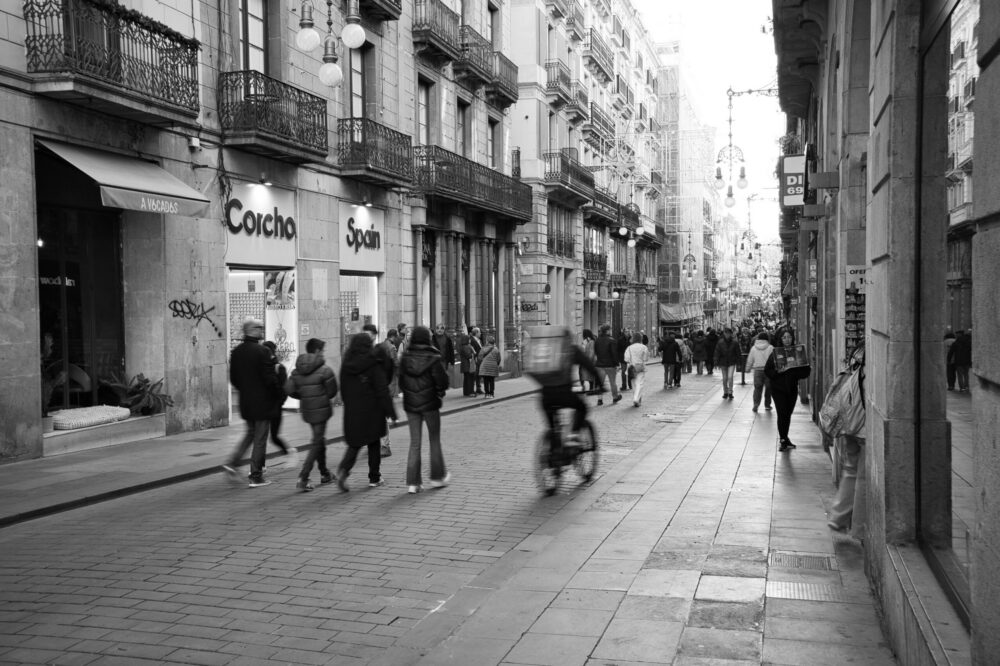
Photo by Vangelis Kovu on Unsplash
I’m planning to visit Barcelona for the Festa de la Llum next February. Is it worth arriving on Thursday evening, or should I wait until Friday for the full experience?
Thursday evening is a great choice if you prefer smaller crowds. Most installations are active from Thursday, so you’ll see nearly everything. Friday and Saturday are busier, so Thursday offers a more relaxed atmosphere.
The article mentions the Cathedral mapping draws huge crowds. How early should I actually get there to secure a good spot?
We recommend arriving at least 30 minutes before the scheduled start. If you want a prime central view, 45 minutes is safer. Alternatively, you can watch from the side or a bit further back, which also offers great angles.
Are there any free guided tours available during the festival, or are they all paid?
Most guided tours are paid, but the festival itself is free to attend. The official program includes some free guided walks, but they fill up quickly. Check the Barcelona City Council website closer to the dates for details.
I’ll be traveling with kids. Are the interactive installations in Plaça del Rei suitable for children?
Absolutely. The interactive installations in Plaça del Rei are designed for all ages, with hands-on light art that kids love. It’s a family-friendly spot. Just be mindful of crowds later in the evening.
The article suggests avoiding peak hours from 8-10 PM. But if I go later, say after 10 PM, will the installations still be active?
Yes, most installations remain active until around 11 PM, and some later. After 10 PM, crowds thin out, so it’s a good time to see the main projections with less congestion. Just double-check the official schedule for exact end times.
What’s the best metro station to start the recommended route from Plaça de Catalunya?
For the route starting at Plaça de Catalunya, take the metro to Catalunya station (Lines 1, 3, 6, or 7). From there, you can walk down La Rambla and into the Gothic Quarter. Liceu (Line 3) or Jaume I (Line 4) are also convenient.
I saw that some installations are in Gràcia and Poblenou. Are those worth the trip, or should I stick to the Gothic Quarter?
They are definitely worth visiting if you have time. Gràcia and Poblenou offer unique, often less crowded installations. You can explore them on a different day or evening. The Gothic Quarter is the core, but satellite sites add variety.