
Table des matières:
Introduction to the Strasbourg Zoo
The Strasbourg Zoo, officially known as the Parc Zoologique de Strasbourg, is a beloved zoological park located in the heart of Strasbourg, France. Established in the late 19th century, it is one of the oldest zoos in France and has evolved into a modern facility dedicated to animal conservation, education, and research. For visitors to Strasbourg, the zoo offers a unique opportunity to observe a diverse range of animal species in thoughtfully designed habitats that prioritize animal welfare.
In this comprehensive guide, we will explore what the Strasbourg Zoo is, its history, the animals you can see, conservation efforts, visitor facilities, and practical tips for planning your visit. Whether you are a local resident or a tourist exploring Alsace, this article will help you understand why the Strasbourg Zoo is a must-visit destination.
History of the Strasbourg Zoo
The Strasbourg Zoo was founded in 1893 as a municipal park featuring a small collection of animals. Over the decades, it expanded its collection and upgraded its enclosures to meet modern standards of animal care. During World War II, the zoo suffered damage but was rebuilt and reopened to the public. In the 1970s, the zoo shifted its focus from mere exhibition to conservation and education, becoming a member of the European Association of Zoos and Aquaria (EAZA) and participating in international breeding programs.
Today, the Strasbourg Zoo covers approximately 10 hectares and houses over 1,500 animals representing more than 200 species. It is renowned for its naturalistic enclosures that mimic the animals’ native habitats, providing both enrichment for the animals and an immersive experience for visitors.
Main Attractions and Animal Exhibits
Big Cats and Predators
One of the highlights of the Strasbourg Zoo is its collection of big cats, including lions, tigers, and leopards. The zoo has invested in spacious, landscaped enclosures that allow these majestic animals to roam and exhibit natural behaviors. Visitors can observe them from elevated walkways that provide excellent views without disturbing the animals.
Primates
The primate section is home to several species, such as gorillas, chimpanzees, lemurs, and gibbons. The zoo participates in the European Endangered Species Programme (EEP) for many of these species, contributing to their conservation in the wild. The primate islands and indoor viewing areas offer close-up encounters while respecting the animals’ space.
Birds
Bird lovers will enjoy the zoo’s extensive aviary, which houses exotic birds like flamingos, pelicans, parrots, and birds of prey. The walk-through aviary allows visitors to experience the birds in a free-flight setting. Additionally, the zoo hosts regular bird shows that educate the public about avian behavior and conservation.
Reptiles and Amphibians
The reptile house features a variety of snakes, lizards, turtles, and frogs from around the world. The zoo maintains carefully controlled environments to replicate the tropical and desert conditions these animals require. Notable species include the Komodo dragon, green anaconda, and poison dart frogs.
Aquatic Life
While not a full aquarium, the Strasbourg Zoo has several aquatic exhibits, including a large penguin pool and a sea lion basin. The zoo’s California sea lions are a popular attraction, with daily feeding sessions and training demonstrations that highlight their intelligence and agility.
Conservation and Research
The Strasbourg Zoo is deeply committed to conservation. It is a member of EAZA and actively participates in breeding programs for endangered species. The zoo also supports in-situ conservation projects in Africa, Asia, and South America, focusing on protecting habitats and combating poaching. Educational programs for schools and the public raise awareness about biodiversity and the importance of wildlife preservation.
Visitor Information
Location and Opening Hours
The Strasbourg Zoo is located in the Orangerie district, near the European Parliament. It is open year-round, with extended hours during summer. Check the official website for current opening times and any seasonal closures.
Tickets and Pricing
Admission fees are reasonable, with discounts for children, students, and seniors. Family passes and annual memberships are available. It is advisable to book tickets online in advance, especially during peak tourist seasons, to avoid long queues.
Facilities
The zoo offers various amenities to ensure a comfortable visit:
- Restaurants and snack bars serving local and international cuisine
- Picnic areas for those who prefer to bring their own food
- Playgrounds for children
- Gift shop with souvenirs and educational toys
- Wheelchair accessibility and stroller rental
Tips for Your Visit
- Plan to spend at least 3-4 hours to explore the entire zoo.
- Arrive early to see animals during their most active periods.
- Check the schedule for animal feedings and keeper talks.
- Wear comfortable shoes as the zoo involves a lot of walking.
- Bring a camera, but do not use flash as it can disturb the animals.
Educational Programs and Events
The Strasbourg Zoo offers a variety of educational programs for all ages. School groups can participate in guided tours, workshops, and hands-on activities that align with curriculum standards. The zoo also hosts special events throughout the year, such as Halloween celebrations, summer night safaris, and conservation awareness days. These events provide fun and learning opportunities for families.
Nearby Attractions
After your visit to the Strasbourg Zoo, you can explore the surrounding Orangerie Park, which features beautiful gardens, a lake, and a small farm. The European Parliament and the city center are also within walking distance or a short tram ride away. Combining a zoo visit with a stroll through Strasbourg’s historic districts makes for a perfect day out.
Conclusion
In summary, the Strasbourg Zoo is much more than a collection of animals; it is a center for conservation, education, and recreation. Its rich history, diverse animal exhibits, and commitment to animal welfare make it a top attraction in the region. Whether you are passionate about wildlife, looking for a family-friendly activity, or simply curious about what the Strasbourg Zoo has to offer, a visit promises to be both enjoyable and enlightening. Plan your trip today and discover why this zoo continues to captivate visitors from around the world.
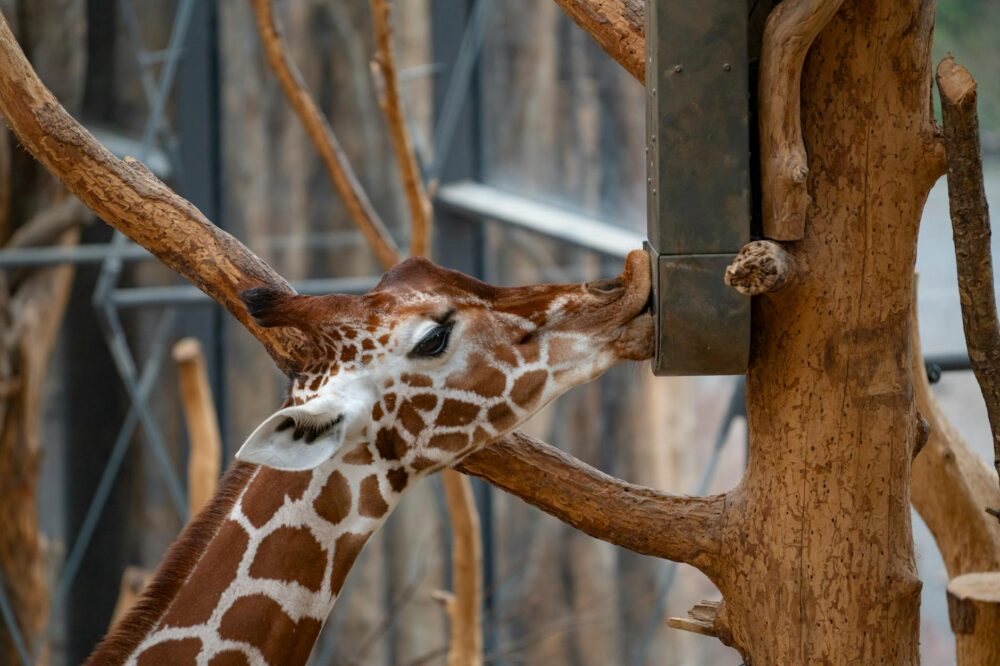
Photo by Sergio Zhukov on Pexels



Is the Strasbourg Zoo suitable for a half-day visit with young children?
Yes, the zoo is compact at 10 hectares, so a half-day is plenty. There are playgrounds and picnic areas, and strollers are welcome. Allow 2-3 hours to see the main exhibits at a relaxed pace.
What are the must-see animals at the Strasbourg Zoo?
Don’t miss the big cats (lions, tigers), the primate islands with gorillas and chimpanzees, and the walk-through aviary. The sea lion feeding sessions are also very popular.
Are there any guided tours or educational programs available?
The zoo offers guided tours for groups and schools, as well as educational workshops. Check the official website for schedules and booking. Individual visitors can also join public feeding demonstrations.
How does the Strasbourg Zoo contribute to conservation?
The zoo is an EAZA member and participates in European breeding programs for endangered species. It also supports field conservation projects in Africa, Asia, and South America, focusing on habitat protection and anti-poaching.
Is there parking available at the Strasbourg Zoo?
There is limited street parking nearby, but it’s easier to use public transport. The zoo is a short walk from the Parc de l’Orangerie tram stop (line C or E). Biking is also a good option.
Can we bring our own food into the zoo?
Yes, visitors are allowed to bring picnics. There are designated picnic areas with tables and benches. The zoo also has a cafeteria and snack kiosks if you prefer to buy food.
What is the best time of year to visit the Strasbourg Zoo?
Spring and early autumn are ideal for mild weather and fewer crowds. The zoo is open year-round, but some animals may be less active in winter. Summer offers extended hours and more outdoor activities.
Are there any accessibility options for visitors with disabilities?
The zoo is mostly flat and wheelchair accessible. Wheelchairs can be borrowed free of charge at the entrance. Some pathways are gravel, but main routes are paved. Service dogs are allowed.