
Last updated on May 4th, 2026 at 12:01 am
Table des matières:
Introduction
Nestled in the heart of Strasbourg, the Saint-Pierre-le-Jeune Church is a remarkable architectural and historical monument that draws visitors from around the world. But what is the Saint-Pierre-le-Jeune Church exactly? It is a Protestant church that uniquely combines Romanesque and Gothic elements, with a history spanning over a thousand years. This article delves into its origins, architectural features, and cultural significance, offering a comprehensive guide for travelers and history enthusiasts alike.
History of the Saint-Pierre-le-Jeune Church
The Saint-Pierre-le-Jeune Church has a rich and layered history. Its name, which translates to “Young Saint Peter,” distinguishes it from the older Saint-Pierre-le-Vieux Church in Strasbourg. The site originally housed a Romanesque basilica built in the 11th century, but the current structure was constructed between the 13th and 14th centuries. Over the centuries, it has served as a Catholic church, a collegiate church, and finally, a Protestant church since the Reformation in the 16th century.
Origins and Construction
The earliest church on this site was a Romanesque building, parts of which are still visible in the crypt and the west tower. The main nave and choir were rebuilt in the Gothic style during the 13th and 14th centuries. The church underwent several renovations and expansions, including the addition of a cloister in the 14th century.
Role in the Reformation
In 1529, Strasbourg officially adopted the Protestant Reformation, and the Saint-Pierre-le-Jeune Church became one of the city’s main Protestant places of worship. It has remained a Protestant church ever since, hosting services and community events.
Architectural Highlights
What is the Saint-Pierre-le-Jeune Church architecturally? It is a fascinating fusion of Romanesque and Gothic styles, with several unique features that set it apart.
Romanesque Elements
- The West Tower: The massive square tower at the west end is a remnant of the original Romanesque church, dating back to the 11th century. It features rounded arches and small windows typical of Romanesque architecture.
- The Crypt: Beneath the choir lies a well-preserved Romanesque crypt, one of the oldest parts of the church. It contains ancient frescoes and a baptismal font.
Gothic Features
- The Nave: The Gothic nave is characterized by pointed arches, ribbed vaults, and large stained-glass windows that flood the interior with light.
- The Choir: The choir features intricate tracery and a beautiful altarpiece from the 15th century.
- The Cloister: Attached to the church is a peaceful Gothic cloister with slender columns and a garden, offering a serene escape from the city bustle.
Notable Artworks
The church houses several important artworks, including a 15th-century painted wooden altarpiece depicting scenes from the life of Christ, and a 17th-century pulpit carved with biblical figures. The stained-glass windows, some dating back to the 14th century, are also of great artistic value.


Visiting the Saint-Pierre-le-Jeune Church
When planning a visit, you may wonder what is the Saint-Pierre-le-Jeune Church’s significance today? It remains an active place of worship and a popular tourist attraction. Here is practical information for visitors.
Location and Opening Hours
The church is located at 3 Rue de la Nuée-Bleue, in the center of Strasbourg, within walking distance of the cathedral. It is open to visitors daily, usually from 9:00 AM to 6:00 PM, but hours may vary on Sundays and holidays. Admission is free, though donations are welcome.
Guided Tours
Guided tours are available in French and English, offering deeper insights into the church’s history and architecture. Audio guides are also available for a small fee.
Nearby Attractions
The church is close to other Strasbourg landmarks, such as the Strasbourg Cathedral, the Palais Rohan, and the picturesque Petite France district. A visit can easily be combined with a stroll through the city’s historic center.
Cultural and Religious Significance
As one of the oldest churches in Strasbourg, the Saint-Pierre-le-Jeune Church holds a special place in the city’s cultural and religious life. It is not only a place of worship but also a venue for concerts, especially organ recitals, thanks to its excellent acoustics and historic organ built by Andreas Silbermann in the 18th century.
The Organ
The Silbermann organ, installed in 1745, is one of the finest examples of Baroque organ building in Alsace. It is still used for services and concerts, attracting music lovers from around the world.
Conclusion
In summary, what is the Saint-Pierre-le-Jeune Church? It is a captivating historical and architectural treasure that embodies centuries of religious and cultural evolution. From its Romanesque crypt to its Gothic nave, from its role in the Reformation to its vibrant present-day community, the church offers a unique window into Strasbourg’s past and present. Whether you are a history buff, an architecture enthusiast, or a spiritual seeker, a visit to this remarkable church is sure to be a highlight of your trip to Strasbourg.
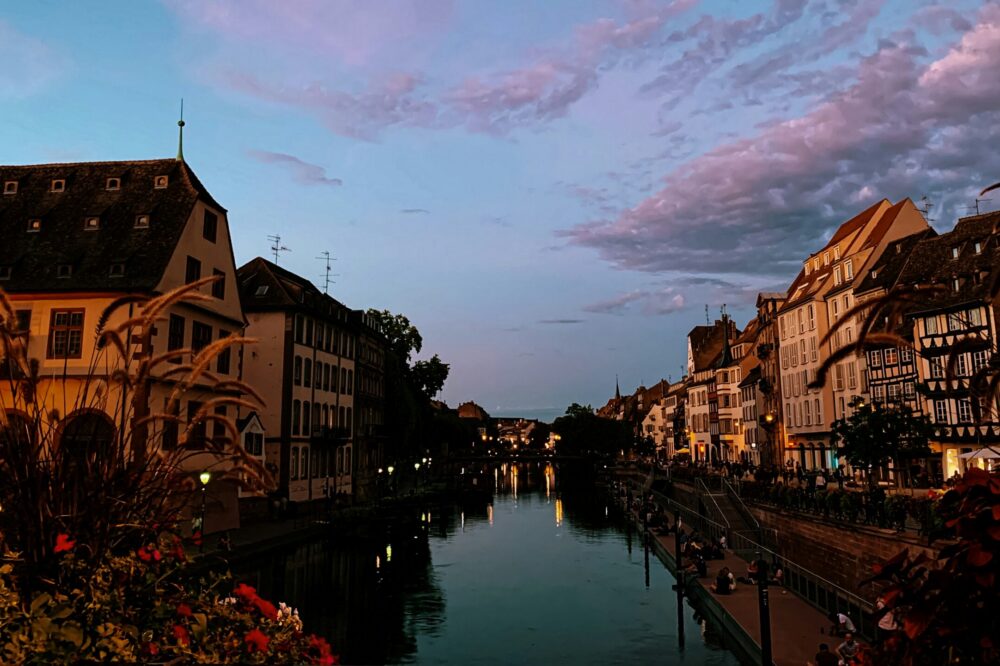
Photo by Baptiste Guillier on Pexels


Is the Saint-Pierre-le-Jeune Church the same as the Saint-Pierre-le-Vieux Church?
No, they are different. Saint-Pierre-le-Jeune (Young Saint Peter) is a Protestant church with Romanesque and Gothic elements, while Saint-Pierre-le-Vieux (Old Saint Peter) is an older Catholic church nearby.
Are there any guided tours in English available?
Yes, guided tours in English are available, though it’s best to check the church’s official website or contact them in advance for specific times and availability. Audio guides are also offered for a small fee.
What is the best time to visit to avoid crowds?
Weekday mornings are generally quieter. The church opens at 9:00 AM, so arriving early can help you enjoy the space with fewer visitors.
Is photography allowed inside the church?
Yes, photography for personal use is usually permitted, but flash and tripods may be restricted to protect the artworks and during services. It’s always polite to check for signs or ask staff.
Can I attend a service at Saint-Pierre-le-Jeune?
Absolutely. The church holds regular Protestant services, typically on Sundays. Visitors are welcome, but it’s respectful to remain quiet and observe the service. Check the church’s schedule for exact times.
Is the crypt always open to visitors?
The Romanesque crypt is generally accessible during opening hours, but it may occasionally be closed for maintenance or special events. It’s a highlight, so try to include it in your visit.
How long should I plan to spend at the church?
A typical visit lasts about 30 minutes to an hour, depending on your interest in architecture and art. If you take a guided tour, allow up to 1.5 hours. The cloister is also worth a few extra minutes.