
Table des matières:
How Do I Visit the Science Museum in London? Your Ultimate Guide
If you’re planning a trip to London and wondering, “How do I visit the Science Museum in London?”, you’ve come to the right place. This iconic museum, located in South Kensington, is a treasure trove of scientific marvels, from the earliest steam engines to the latest space exploration technology. In this guide, we’ll cover everything you need to know to make your visit smooth, enjoyable, and memorable.
Getting to the Science Museum
The Science Museum is part of the South Kensington museum district, often called “Albertopolis.” It’s easily accessible by public transport.
By Tube
The nearest tube station is South Kensington (Circle, District, and Piccadilly lines). From the station, follow the subway signs for the museums—it’s a 5-minute walk through the tunnel. Alternatively, Gloucester Road station is a 10-minute walk.
By Bus
Several bus routes stop near the museum, including routes 9, 10, 14, 49, 52, 70, 74, 345, and C1. Get off at the Royal Albert Hall or the Queen’s Gate stop.
By Car or Taxi
Parking is limited and expensive in central London. The museum has no public parking, but there are pay-and-display bays nearby. A taxi or ride-sharing service is convenient if you’re staying centrally.
By Bike
Santander Cycles docking stations are located near the museum. The nearest are on Exhibition Road and Thurloe Place.
Opening Hours and Best Times to Visit
The Science Museum is open daily from 10:00 AM to 6:00 PM, with last entry at 5:15 PM. It is closed on December 24–26 and some other holidays. Check the official website before visiting.
The busiest times are weekends and school holidays. For a quieter experience, visit on weekday mornings or late afternoons. The museum is free, but special exhibitions require timed tickets.
Do You Need Tickets?
General admission to the Science Museum is free, but you must book a free timed entry ticket online in advance. This helps manage visitor numbers. You can also pay for special exhibitions, IMAX films, and the flight simulator. Book tickets on the museum’s official website to guarantee entry.
Top Exhibits and Galleries
The museum has seven floors of galleries. Here are the must-see highlights:
Ground Floor
- Making the Modern World: Iconic objects like Stephenson’s Rocket, the Apollo 10 command module, and a replica of the DNA double helix.
- Energy Hall: Massive steam engines and the story of power.
First Floor
- Exploring Space: Rockets, satellites, and a real Soyuz descent module. Don’t miss the Hubble Space Telescope replica.
- Flight Gallery: Historic aircraft, including a Spitfire and a Vickers Vimy.
Second Floor
- The Garden: An interactive zone for children aged 3–6 (requires separate free ticket).
- Science in the 20th Century: From penicillin to the jet engine.
Third Floor
- Mathematics: The Winton Gallery: A stunning gallery designed by Zaha Hadid, exploring the role of maths in our lives.
- Medicine: The Wellcome Galleries: The world’s largest medical gallery, with over 3,000 objects.
Fourth and Fifth Floors
- Wonderlab: The Equinor Gallery: An interactive science playground with hands-on experiments (requires separate paid ticket).
- IMAX Cinema: Watch documentaries on a giant screen (book separately).
Special Exhibitions and Events
The museum hosts temporary exhibitions throughout the year. Recent ones include “Robot” and “The Sun.” Check the website for current offerings. Many special exhibitions require a paid ticket. There are also regular talks, workshops, and late-night events called “Lates” (usually last Wednesday of the month, adults only).
Facilities and Services
- Food and Drink: Several cafes and a restaurant. The Energy Cafe serves hot meals, and the Basement Cafe offers sandwiches and snacks. You can bring your own food and eat in the picnic areas.
- Shops: Two gift shops selling science-themed toys, books, and souvenirs.
- Lockers: Coin-operated lockers are available for small bags. Large luggage is not allowed.
- Wi-Fi: Free Wi-Fi throughout the museum.
- Accessibility: Wheelchair accessible, with lifts to all floors. Wheelchairs can be borrowed for free. Guide dogs welcome. There are also quiet spaces and sensory backpacks.
Tips for an Enjoyable Visit
- Book tickets in advance: Even for free entry, you need a timed ticket. Book online to avoid disappointment.
- Plan your route: The museum is huge. Decide which galleries are must-sees and check the floor plan on the website.
- Allow at least 3–4 hours: To see the main highlights, plan half a day. For a thorough visit, you could spend a whole day.
- Visit the IMAX: If you have time, catch a film for an immersive experience.
- Check for closures: Some galleries may close for maintenance. Check the website before you go.
- Use the museum app: The official app provides maps, exhibit info, and audio guides.
Nearby Attractions
Since the Science Museum is in South Kensington, you can easily combine your visit with other attractions:
- Natural History Museum: Right next door, with stunning architecture and dinosaur skeletons.
- Victoria and Albert Museum: Across the street, showcasing art and design.
- Hyde Park: A short walk away, perfect for a stroll or picnic.
- Royal Albert Hall: An iconic concert venue, often hosting tours.
Frequently Asked Questions
Is the Science Museum free?
Yes, general admission is free, but you need a timed entry ticket. Special exhibitions and experiences cost extra.
How long does it take to visit?
Most visitors spend 3–4 hours. If you want to see everything, allow a full day.
Can I take photos?
Photography for personal use is allowed in most galleries, but flash and tripods are prohibited. Some special exhibitions may restrict photography.
Is the museum suitable for children?
Absolutely. The museum is very family-friendly, with hands-on areas like The Garden (ages 3–6) and Wonderlab (all ages). Pushchairs are allowed, and baby-changing facilities are available.
Are there guided tours?
The museum offers free daily highlights tours and paid audio guides. Check the information desk for times.
Conclusion
Visiting the Science Museum in London is a rewarding experience for all ages. By planning ahead—booking free tickets, checking opening hours, and prioritizing your must-see exhibits—you can make the most of your trip. Whether you’re fascinated by space, technology, or medicine, the museum offers a journey through science that will inspire and educate. So, if you’ve been wondering, “How do I visit the Science Museum in London?”, just follow this guide, and you’ll be ready for an unforgettable adventure. Enjoy your visit!
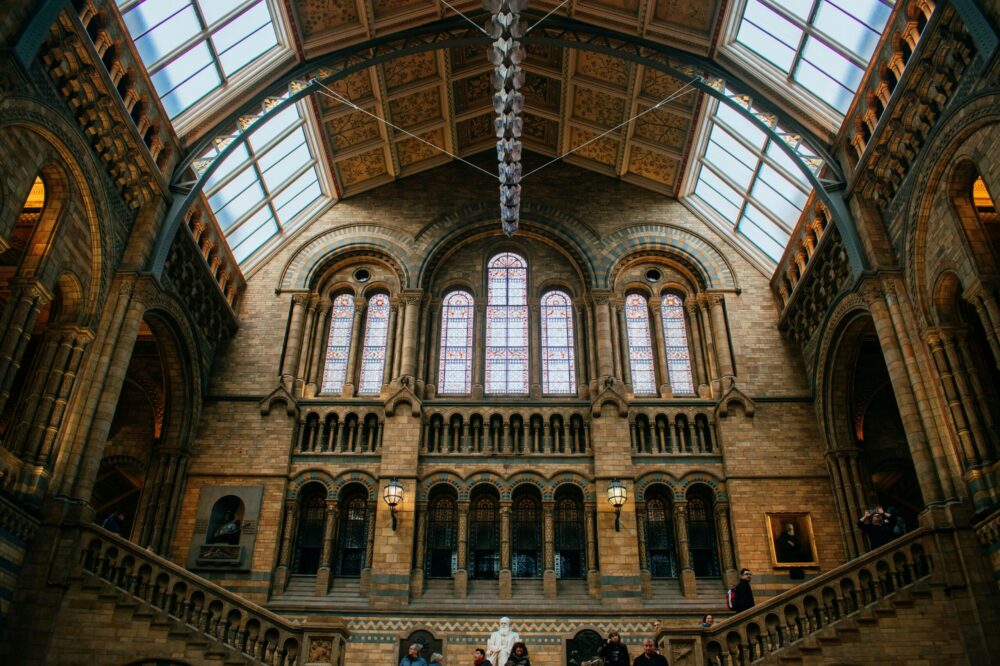
Photo by Bruno Souza on Unsplash



I’m planning a visit with my kids aged 5 and 8. Are there any specific exhibits or activities that are best for children of that age?
Yes, the Science Museum is very family-friendly. For ages 5-8, The Garden on the second floor is perfect (it’s an interactive zone for ages 3-6, but your 5-year-old will love it). Wonderlab on the fourth floor is great for hands-on experiments and is suitable for older kids too. Also, the Exploring Space gallery has real rockets that fascinate children. Book free timed tickets for The Garden in advance as it can get busy.
Is it possible to see the whole museum in one day? It sounds huge.
It’s very large—seven floors with many galleries. To see everything in one day would be challenging. We recommend prioritizing your must-see galleries. The ground floor (Making the Modern World) and first floor (Exploring Space and Flight) are highlights. If you have limited time, focus on those and perhaps the Mathematics gallery. Allow at least 3-4 hours for a focused visit, or a full day if you want to explore more thoroughly.
Do I need to book tickets for the free entry far in advance? I’m visiting in a month.
It’s a good idea to book as soon as your plans are confirmed, especially for weekends and school holidays. Free timed entry tickets are released a few weeks ahead and can sell out quickly, particularly for peak times. Check the official website for availability. If you’re flexible with your date and time, you might find slots, but booking early ensures you get the time you want.
I’m coming from central London by tube. Which station is best and how do I get to the museum from there?
South Kensington station is the most convenient. From the station, follow the subway signs for the museums—it’s a 5-minute walk through a tunnel that leads directly to the museum district. You’ll exit onto Exhibition Road, and the Science Museum is just ahead. Gloucester Road station is also an option, about a 10-minute walk, but South Kensington is closer.
Are there any discounts or free entry for students or seniors?
General admission is free for everyone, but you still need a timed ticket. For special exhibitions and IMAX films, there are often discounts for students, seniors, and children. Check the museum’s website when booking for current concession prices. Also, the museum offers free entry for under-5s to all areas. There are no separate senior discounts for general entry since it’s already free.
Can I bring a backpack or large bag into the museum?
Small backpacks are generally allowed, but large bags and suitcases are not permitted for security reasons. There are coin-operated lockers for small items, but they may not fit large backpacks. It’s best to travel light. If you have a large bag, consider using a left luggage service at your hotel or a nearby station before visiting.