
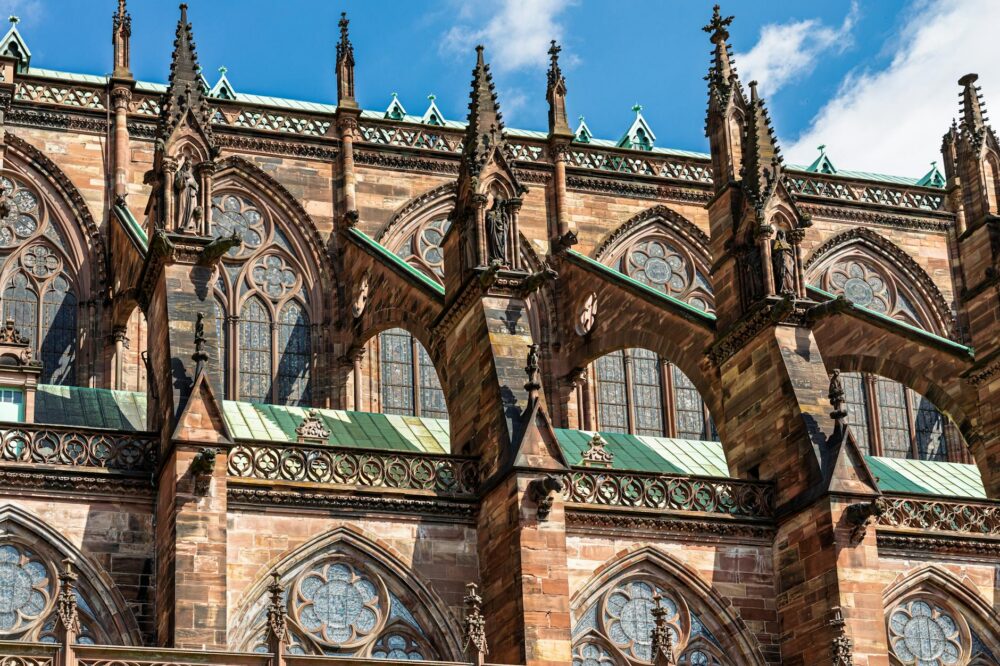
Table des matières:
Introduction to the Historical Museum of Strasbourg
The Historical Museum of Strasbourg is a premier cultural institution located in the heart of the Alsatian capital. Housed in a former slaughterhouse complex, the museum offers a comprehensive journey through the city’s rich history from the Middle Ages to the French Revolution. For anyone asking “What is the Historical Museum of Strasbourg?”, it is not just a museum but a time capsule that brings Strasbourg’s political, social, and economic evolution to life. With over 200,000 objects, including paintings, sculptures, maps, and everyday artifacts, the museum provides a vivid narrative of a city that has been at the crossroads of European history.
The Building: A Historic Slaughterhouse Turned Museum
The museum is housed in the former Grande Boucherie (Great Slaughterhouse), a building dating back to the 16th century. This architectural gem itself tells a story of Strasbourg’s industrial past. The structure was renovated and expanded in the early 20th century to serve as a museum, blending historic charm with modern exhibition spaces. Visitors can admire the original timber-framed ceilings and stone walls while exploring the galleries.
Key Architectural Features
- Renaissance facade: The building retains its original 16th-century exterior with ornate carvings.
- Grand staircase: A majestic staircase leads to the upper floors, offering a sense of grandeur.
- Modern annex: A contemporary addition provides space for temporary exhibitions and educational programs.
Historical Collections: A Timeline of Strasbourg
The museum’s permanent collection is organized chronologically, allowing visitors to trace Strasbourg’s development from a medieval free imperial city to a modern French metropolis. The exhibits are divided into several periods, each highlighting key events and cultural shifts.
Medieval Strasbourg (1200-1500)
This section showcases the city’s rise as a prosperous trading hub. Highlights include:
- Guild banners: Colorful flags representing the powerful trade guilds that governed the city.
- Religious art: Altarpieces and sculptures from the Strasbourg Cathedral workshop.
- Weapons and armor: Artifacts from the city’s militia, reflecting its independent spirit.
Renaissance and Reformation (1500-1600)
During this period, Strasbourg became a center of humanism and Protestant reform. The museum displays:
- Printed books: Early works from the city’s famous printing presses, including the first printed map of the region.
- Portraits: Paintings of key reformers and intellectuals who shaped the city’s identity.
- Scientific instruments: Tools used by astronomers and cartographers, highlighting Strasbourg’s role in the Scientific Revolution.
From Free City to French Annexation (1600-1789)
This tumultuous era saw Strasbourg lose its independence and become part of France. Exhibits include:
- Military artifacts: Items from the Thirty Years’ War and the city’s siege by Louis XIV.
- Decorative arts: Silverware, furniture, and ceramics reflecting the wealth of the merchant class.
- Revolutionary memorabilia: Documents and symbols from the French Revolution, when Strasbourg embraced new ideals.
Interactive and Multimedia Experiences
To engage modern audiences, the Historical Museum of Strasbourg incorporates interactive elements. Touchscreens provide detailed information about artifacts, while audio guides offer narrated tours in multiple languages. A highlight is the city model: a large-scale 3D replica of Strasbourg as it appeared in the 18th century, complete with moving projections that illustrate historical events.
Virtual Reality Tour
Visitors can don VR headsets to experience Strasbourg’s past firsthand—walking through medieval streets or witnessing the construction of the cathedral. This immersive technology makes history accessible and memorable.
Special Exhibitions and Programs
The museum hosts rotating temporary exhibitions that delve deeper into specific themes, such as Alsatian cuisine, immigration, or the city’s Jewish heritage. Educational workshops for children and lectures for adults are regularly scheduled, fostering a dynamic learning environment.
Visitor Information: Hours, Tickets, and Location
Planning a visit? Here are the essential details:
- Address: 3 Place de la Grande Boucherie, 67000 Strasbourg, France
- Opening hours: Tuesday to Sunday, 10:00 AM – 6:00 PM (closed Mondays and public holidays)
- Admission: €7 for adults, free for under-18s and EU students. Reduced rates for groups.
- Accessibility: The museum is wheelchair accessible, with elevators and adapted restrooms.
Why Visit the Historical Museum of Strasbourg?
Understanding what the Historical Museum of Strasbourg is also means appreciating its significance. It is a must-see for history buffs, families, and anyone curious about European heritage. The museum offers a unique perspective on Strasbourg’s dual identity—French and German, Catholic and Protestant, traditional and innovative. By the end of your visit, you will have a profound sense of how this city evolved into the multicultural hub it is today.
Tips for an Enriching Visit
- Allow at least 2-3 hours to explore the permanent collection thoroughly.
- Download the museum app for self-guided tours and additional content.
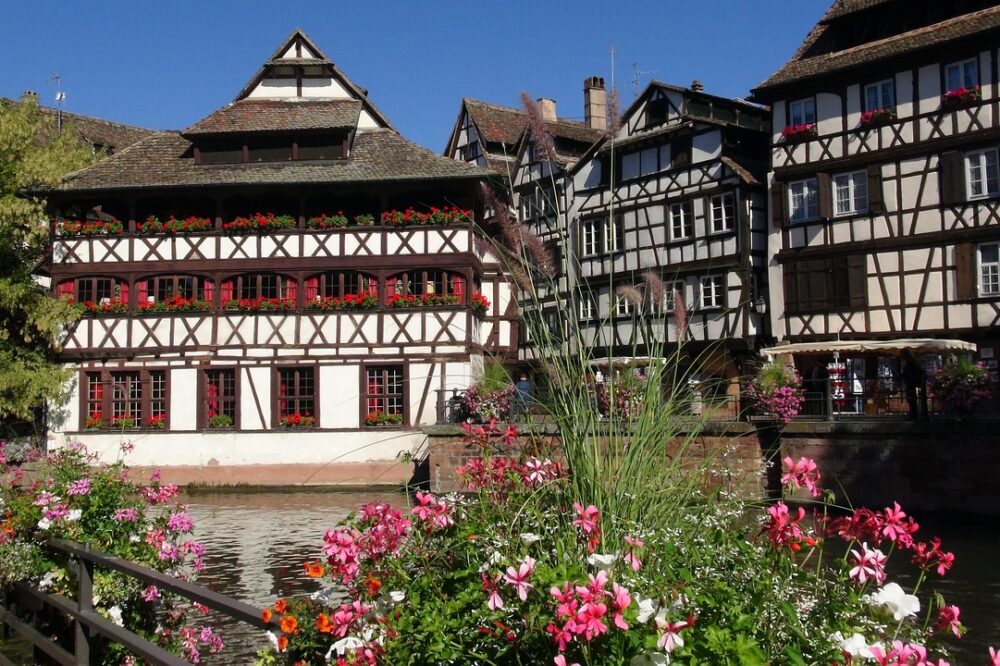
- Combine with a walk through the Petite France district just steps away, where you can see historic half-timbered houses.
- Check the museum’s website for special events, such as night openings or themed tours.
Conclusion: A Treasure of Strasbourg’s Cultural Landscape
The Historical Museum of Strasbourg is far more than a collection of old objects. It is a narrative of resilience, creativity, and change. From its medieval origins to its role in the French Revolution, Strasbourg’s story is told with passion and precision within these walls. Whether you are a first-time visitor or a lifelong resident, the museum offers new insights and a deeper appreciation for this remarkable city. So, when you ask “What is the Historical Museum of Strasbourg?”, the answer is an invitation to explore the very soul of Alsace.
Photo by Edoardo Colombo on Pexels



Is the museum wheelchair accessible? I’m planning a trip with my elderly mother.
Yes, the Historical Museum of Strasbourg is fully wheelchair accessible. The modern annex includes an elevator, and all galleries are on accessible routes. Wheelchairs are also available at the cloakroom upon request.
How long does it typically take to go through the museum? I want to budget my time.
Most visitors spend about 2 to 3 hours exploring the permanent collections and any temporary exhibitions. If you plan to use the audio guide or VR experience, allow an extra hour.
Are there any guided tours in English? I’m not fluent in French.
Yes, the museum offers guided tours in English. They are usually scheduled on weekends, but you can also book a private tour in advance. Audio guides are available in English as well.