
Last updated on May 4th, 2026 at 12:11 am
Table des matières:
Introduction
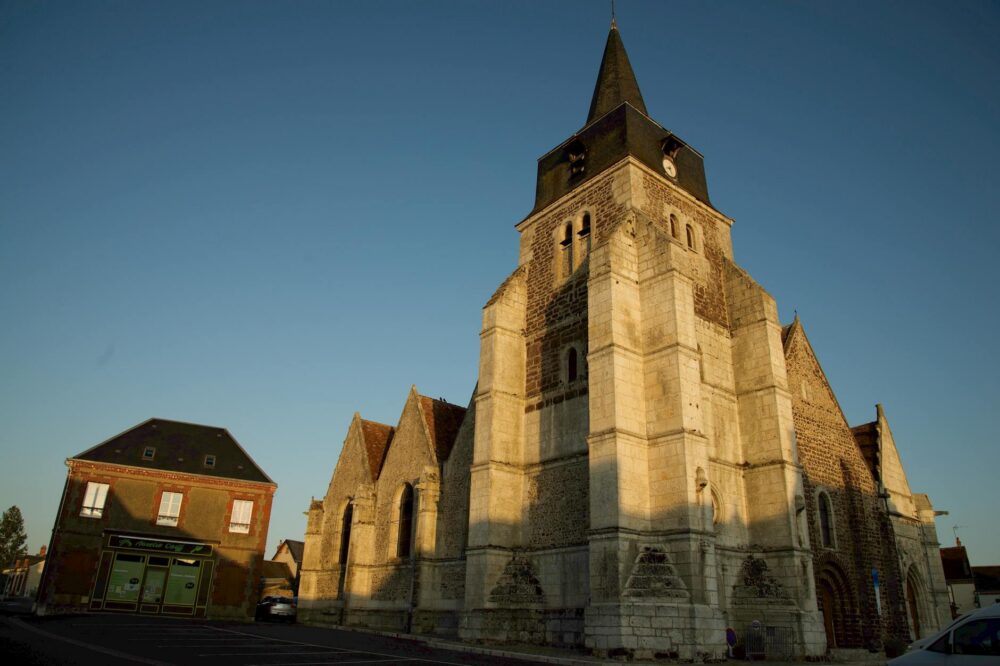
Nestled in the heart of Strasbourg, France, the Saint-Pierre-le-Jeune Church stands as a remarkable testament to centuries of religious and architectural evolution. But what is the Saint-Pierre-le-Jeune Church exactly? It is a Protestant parish church that uniquely combines Romanesque, Gothic, and Baroque elements, reflecting its long and varied history. This article delves into the church’s origins, architectural wonders, and cultural significance, offering a comprehensive guide for history enthusiasts and travelers alike.
Historical Background
Origins and Early History
The Saint-Pierre-le-Jeune Church was founded in the 11th century on the site of an earlier Merovingian chapel. The name “Saint-Pierre-le-Jeune” (Saint Peter the Young) distinguishes it from the older Saint-Pierre-le-Vieux Church. Initially a Romanesque structure, the church has undergone numerous transformations over the centuries.
From Catholic to Protestant
In 1529, Strasbourg embraced the Reformation, and the church became Lutheran. It has remained a Protestant place of worship ever since, making it one of the oldest Protestant churches in Alsace. This shift is reflected in its interior, which features a simple, preaching-focused layout.
Restorations and Modern Era
The church suffered damage during the French Revolution and World War II but was carefully restored. Today, it serves as an active parish church and a popular tourist attraction, hosting concerts and exhibitions.
Architectural Highlights
Romanesque Core
The oldest parts of the church date from the 11th and 12th centuries, including the massive square tower, the nave, and the crypt. The crypt, with its groin vaults and ancient capitals, is a rare surviving example of Romanesque architecture in Strasbourg.
Gothic Additions
In the 13th and 14th centuries, Gothic elements were incorporated, such as the pointed arches, ribbed vaults, and large stained-glass windows. The choir, rebuilt in the 14th century, features a beautiful Gothic apse with tracery.
Baroque Transformations
During the 18th century, the church underwent a Baroque renovation. The most striking addition is the magnificent organ case, built by Johann Andreas Silbermann in 1745. The pulpit, also Baroque, is intricately carved with biblical scenes.
Key Features to See
- The Silbermann Organ: One of the finest Baroque organs in Alsace, still used for concerts and services.
- The Crypt: A well-preserved Romanesque crypt with ancient columns and frescoes.
- The Stained-Glass Windows: Mix of medieval and 19th-century glass, depicting biblical stories.
- The Pulpit: Elaborate Baroque woodwork with figures of the Evangelists.
- The Baptismal Font: A Romanesque stone font from the 12th century.
Cultural and Religious Significance
The Saint-Pierre-le-Jeune Church is not just an architectural gem; it is a living symbol of Strasbourg’s religious heritage. It represents the coexistence of Catholic and Protestant traditions in Alsace, as well as the region’s unique blend of German and French influences. The church remains an active place of worship, hosting regular Lutheran services, as well as concerts and cultural events that attract visitors from around the world.
Visiting Information
Location and Hours
The church is located at 3 Rue de la Nuée-Bleue, Strasbourg. It is open daily from 9:00 AM to 6:00 PM. Admission is free, but donations are welcome.
Guided Tours
Guided tours are available in French, English, and German. They provide in-depth insight into the church’s history and architecture. Audio guides are also offered.
Concerts and Events
The church frequently hosts organ concerts, especially during the summer. Check the official website for the schedule.
Conclusion
In summary, what is the Saint-Pierre-le-Jeune Church? It is a captivating blend of Romanesque, Gothic, and Baroque architecture, a historic Protestant church, and a cultural hub in Strasbourg. Whether you are a history buff, an architecture lover, or a spiritual seeker, a visit to this church offers a rich and rewarding experience. Its walls tell stories of faith, resilience, and artistic achievement that span nearly a millennium. Don’t miss the chance to explore this hidden gem on your next trip to Alsace.
Photo by Eduardo Reiser on Pexels



Merci pour cet article très complet ! Je prévois de visiter Strasbourg bientôt et je me demandais si l’église Saint-Pierre-le-Jeune est facilement accessible en transports en commun depuis la gare ?
Bonjour, oui l’église est très accessible : depuis la gare de Strasbourg, prenez le tram A ou D jusqu’à l’arrêt Homme de Fer, puis marchez 5 minutes. Vous pouvez aussi prendre le bus 10 ou 15. L’entrée est gratuite et ouverte tous les jours de 9h à 18h.
L’orgue Silbermann a l’air magnifique. Est-ce qu’il est possible d’assister à un concert pendant une visite ?
Oui, l’église organise régulièrement des concerts d’orgue, surtout en été. Consultez le site officiel pour le calendrier. Les concerts sont souvent gratuits ou à prix libre, et c’est une expérience acoustique unique dans ce cadre baroque.
Je suis passionné d’architecture romane. La crypte est-elle vraiment bien conservée ? Peut-on la visiter librement ?
La crypte romane du XIe siècle est exceptionnellement bien conservée avec ses voûtes d’arêtes et ses chapiteaux sculptés. Elle est accessible librement pendant les heures d’ouverture, sans supplément. C’est un joyau rare à Strasbourg.
L’article mentionne que l’église est devenue protestante en 1529. Y a-t-il encore des offices catholiques ?
Non, depuis la Réforme, l’église est restée luthérienne. Les offices sont protestants, mais tous les visiteurs sont les bienvenus. Pour une messe catholique, la cathédrale Notre-Dame de Strasbourg est à proximité.
Je voudrais prendre des photos à l’intérieur. Est-ce que c’est autorisé ?
Oui, la photographie sans flash est autorisée à l’intérieur pour un usage personnel. Veillez à respecter le recueillement des fidèles et à ne pas utiliser de trépied sans autorisation préalable.
L’église est-elle adaptée aux personnes à mobilité réduite ?
L’église dispose d’une rampe d’accès à l’entrée principale et les espaces au rez-de-chaussée sont accessibles. La crypte n’est malheureusement pas accessible en fauteuil roulant en raison des escaliers. Contactez l’accueil pour des informations détaillées.
Quelle est la différence entre Saint-Pierre-le-Jeune et Saint-Pierre-le-Vieux ?
Saint-Pierre-le-Vieux est l’église plus ancienne, située à quelques rues de là. Elle est catholique et date du VIIe siècle. Saint-Pierre-le-Jeune, comme son nom l’indique, est plus récente (XIe siècle) et est protestante. Les deux valent le détour !
Je prévois une visite en famille avec des enfants. Y a-t-il des activités ou des livrets pour eux ?
L’église ne propose pas de livrets spécifiques pour enfants, mais une visite guidée peut être adaptée. Les enfants seront impressionnés par l’orgue et les vitraux. Prévoyez une visite courte (30 minutes) pour rester captivant.