Table des matières:
Introduction to the Strasbourg Astronomical Clock
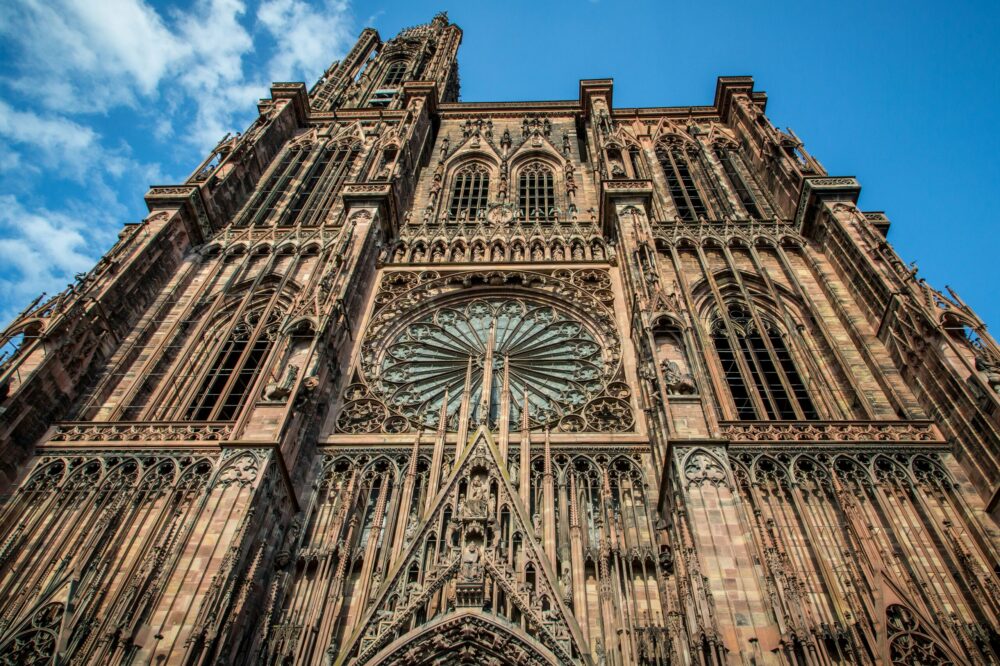
If you’ve ever visited Strasbourg Cathedral, you’ve likely been captivated by the magnificent astronomical clock in Strasbourg. This intricate timepiece is not just a clock; it is a mechanical marvel that combines art, science, and faith. Located inside the cathedral, it has fascinated visitors for centuries. In this article, we’ll explore what makes this clock so special, its history, how it works, and why it remains a must-see attraction.
What Is the Astronomical Clock in Strasbourg?
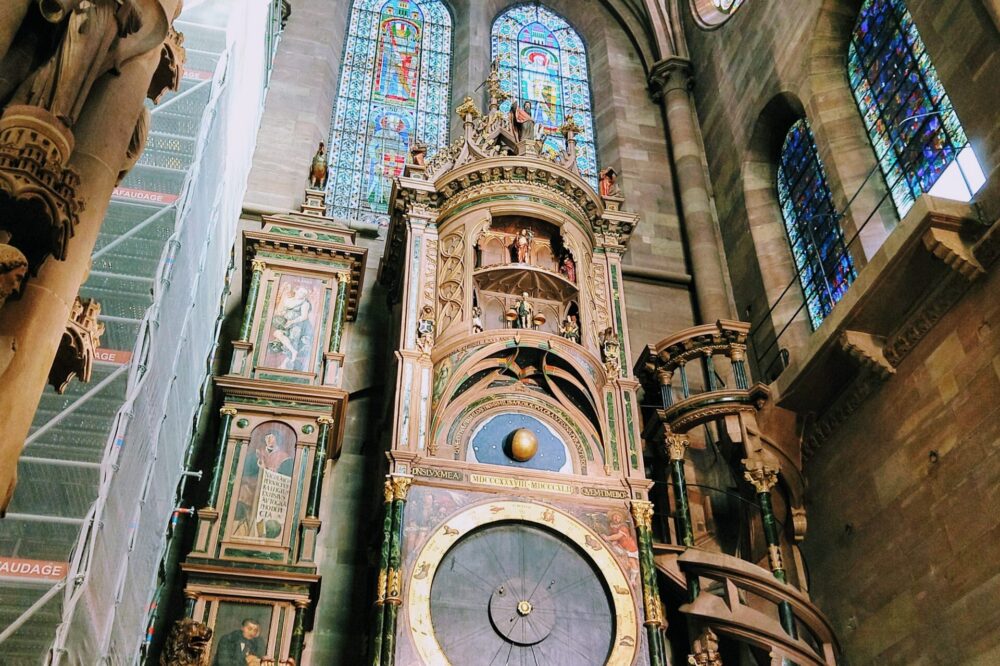
The astronomical clock in Strasbourg is a Renaissance-era clock located in the south transept of Strasbourg Cathedral. It is one of the most complex and beautiful astronomical clocks ever built. The clock displays not only the time but also the position of the sun, moon, planets, and even the precession of the equinoxes. It also features moving figures and a calendar that goes beyond the Gregorian calendar. The clock is a masterpiece of engineering and artistry, drawing thousands of tourists each year.
History of the Strasbourg Astronomical Clock
The First Clock (14th Century)
The history of astronomical timekeeping in Strasbourg Cathedral dates back to 1352, when a first clock was installed. This early clock was simpler but already included astronomical features. However, it was replaced over time as technology advanced.
The Second Clock (16th Century)
In 1547, a second clock was built by Christian Herlin, but it was never completed. Later, in 1570, a new clock was constructed by Conrad Dasypodius, based on designs by Tobias Stimmer and the Habrecht brothers. This clock was operational until the late 18th century, when it fell into disrepair.
The Current Clock (19th Century)
The astronomical clock in Strasbourg we see today was built between 1838 and 1842 by Jean-Baptiste Schwilgué, a French clockmaker. Schwilgué incorporated many features from the previous clock while adding new mechanisms. The clock was restored in the 20th century and continues to function accurately.
How Does the Strasbourg Astronomical Clock Work?
The clock is a complex machine with multiple dials and moving parts. Here are its main components:
- Time Dial: Shows the standard time using Roman numerals.
- Astronomical Dial: Displays the positions of the sun, moon, and planets, as well as the lunar phases.
- Calendar Dial: Indicates the day, month, year, and religious holidays. It is designed to last for thousands of years, including corrections for leap years.
- Procession of the Apostles: Every day at 12:30 PM, a procession of mechanical figures representing the apostles moves around the clock, while a rooster crows three times.
- Planetary Movements: The clock shows the geocentric model of the solar system, with planets moving around the Earth.
Key Features of the Clock
The Astronomical Dials
The main dial is a masterpiece of complexity. It shows the time, the day of the week, the month, the year, the phase of the moon, and the positions of the planets. The clock also includes a dial for the precession of the equinoxes, which takes 25,800 years to complete one cycle.
The Calendar
One of the most impressive features is the perpetual calendar. It automatically accounts for leap years and will not need adjustment until the year 9999. The calendar also marks religious festivals and saints’ days.
The Moving Figures
At the top of the clock, a rooster crows and flaps its wings at noon. Below, a procession of the twelve apostles passes before Christ, who blesses them. This daily show attracts large crowds.
Why Is the Strasbourg Astronomical Clock Important?
The astronomical clock in Strasbourg is significant for several reasons:
- Historical Value: It represents the pinnacle of Renaissance clockmaking.
- Scientific Precision: For its time, the clock was incredibly accurate and demonstrated advanced astronomical knowledge.
- Artistic Beauty: The clock is adorned with intricate carvings, paintings, and sculptures.
- Cultural Symbol: It is a symbol of Strasbourg’s heritage and a testament to human ingenuity.
Visiting the Astronomical Clock in Strasbourg
Location and Access
The clock is located inside Strasbourg Cathedral, which is free to enter. However, to see the clock up close, you may need to pay a small fee to access the south transept. The best time to visit is around 12:30 PM to see the apostle procession.
Tips for Visitors
- Arrive early to secure a good viewing spot for the noon show.
- Consider a guided tour to learn more about the clock’s history and mechanics.
- Photography is allowed, but flash may be prohibited to protect the clock.
Conclusion
The astronomical clock in Strasbourg is a true wonder of the world. Its blend of science, art, and spirituality continues to amaze visitors. Whether you’re a history buff, a science enthusiast, or simply a curious traveler, this clock is a must-see. Plan your visit to Strasbourg Cathedral and witness this incredible machine in action.
Photo by amanderson2 on Wikimedia Commons