Table des matières:
Introduction
Have you ever stumbled upon a place or concept called the Gutenberg Square and wondered what it truly represents? The Gutenberg Square is more than just a physical location or a name; it is a tribute to one of the most transformative inventions in human history: the printing press. Named after Johannes Gutenberg, the inventor of movable type printing, this square symbolizes the dawn of the information age. In this comprehensive guide, we will explore the origins, design, and cultural significance of the Gutenberg Square, answering the question: What is the Gutenberg Square?
The Historical Significance of Gutenberg
To understand the Gutenberg Square, we must first appreciate the man behind the name. Johannes Gutenberg, a German goldsmith and inventor, revolutionized the world in the 15th century by developing the mechanical movable-type printing press. His invention made books affordable and accessible, paving the way for the Renaissance, the Reformation, and the Scientific Revolution. The Gutenberg Square serves as a lasting monument to his legacy.
Gutenberg’s Legacy in Public Spaces
Many cities across Europe and the world have named squares, streets, and monuments after Gutenberg. The most famous Gutenberg Square is located in Mainz, Germany, his birthplace. This square is not just a tourist attraction but a living museum that celebrates the art of printing. Similar squares exist in other cities, each with its unique design and historical context.
The Gutenberg Square in Mainz, Germany
The quintessential Gutenberg Square is situated in the heart of Mainz, near the Gutenberg Museum and the Mainz Cathedral. This square is a focal point for cultural events, markets, and gatherings. It features a prominent statue of Johannes Gutenberg, holding a Bible and a printing press, symbolizing his contribution to knowledge dissemination.
Architectural Highlights
The square’s design blends medieval and modern elements. The cobblestone pathways, historic buildings, and the Gutenberg Museum create an atmosphere that transports visitors back to the 15th century. The statue, created by sculptor Bertel Thorvaldsen, is a masterpiece of neoclassical art. Surrounding the square, you’ll find cafes, bookshops, and printing-related shops that keep the spirit of Gutenberg alive.
Cultural Events and Festivals
Throughout the year, the Gutenberg Square hosts numerous events, including book fairs, printing demonstrations, and the annual Gutenberg Festival. These events attract scholars, tourists, and locals alike, fostering a community that values literacy and history. The square is also a starting point for guided tours that explore Gutenberg’s life and work.
Other Notable Gutenberg Squares Around the World
While Mainz’s square is the most famous, other cities have their own Gutenberg Squares, each with a unique story. For instance, Strasbourg, France, has a Gutenberg Square that honors his time spent there. Similarly, cities like Antwerp, Belgium, and Stockholm, Sweden, have squares or streets named after him. These locations often feature statues, plaques, or printing-related art.
Gutenberg Square in Strasbourg
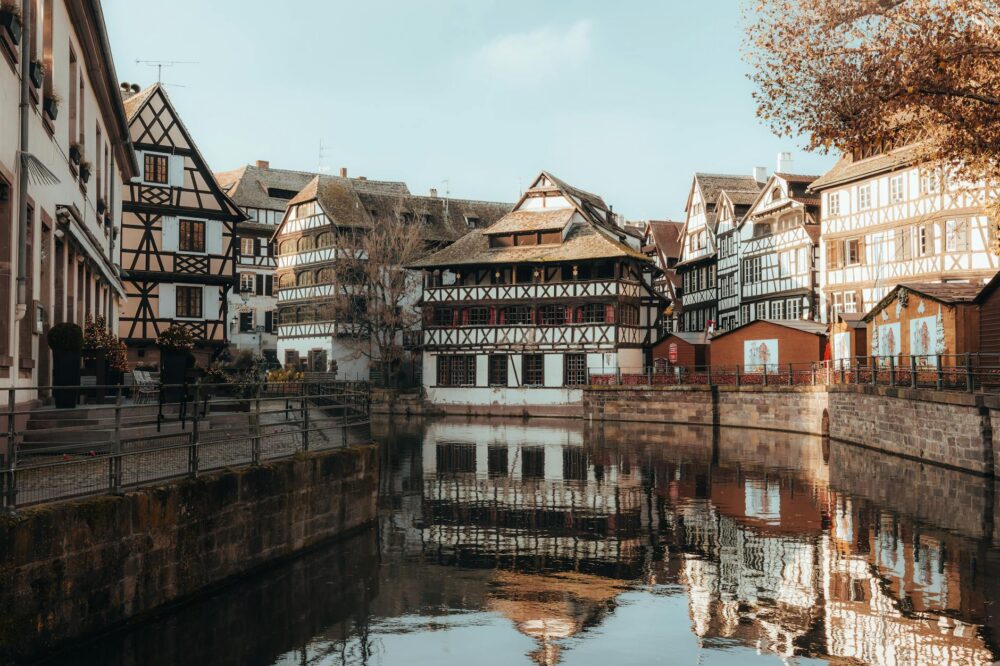
Strasbourg’s Gutenberg Square is located in the city center, near the cathedral. It features a statue of Gutenberg and is surrounded by historic buildings. This square is a popular meeting point and hosts a Christmas market during the holiday season. It serves as a reminder of Gutenberg’s experiments with printing in the city.
Gutenberg Square in Other Cities
In the United States, there are several Gutenberg Squares, though they are less historically significant. For example, in New York City, a small plaza near the United Nations is named Gutenberg Square, symbolizing the global impact of printing. These squares often serve as green spaces or commemorative areas.
The Symbolism of the Gutenberg Square
The Gutenberg Square is more than a physical location; it is a symbol of the power of knowledge and communication. It represents the transition from oral to written culture and the democratization of information. In an age of digital media, the square reminds us of the enduring value of printed words.
Education and Inspiration
Many Gutenberg Squares are adjacent to museums or libraries, reinforcing their educational role. They inspire visitors to learn about printing history and the impact of mass communication. Schools often organize trips to these squares to teach students about the importance of literacy.
A Hub for Intellectual Exchange
The square serves as a gathering place for intellectuals, writers, and artists. It fosters dialogue and creativity, much like the printing press did centuries ago. Book launches, poetry readings, and debates are common in Gutenberg Squares around the world.
Visiting a Gutenberg Square: What to Expect
If you plan to visit a Gutenberg Square, here are some tips to enhance your experience:
- Research the location: Determine which Gutenberg Square you want to visit and its historical significance.
- Check for events: Look up local festivals or exhibitions that might be happening during your visit.
- Explore nearby museums: Most Gutenberg Squares are close to printing museums or historical archives.
- Take a guided tour: Learn about Gutenberg’s life and the square’s architecture from knowledgeable guides.
- Capture the moment: Photography is usually allowed, so bring your camera to capture the statue and surroundings.
Conclusion
In summary, the Gutenberg Square is a testament to Johannes Gutenberg’s revolutionary invention that changed the world. Whether in Mainz, Strasbourg, or elsewhere, these squares serve as cultural landmarks that celebrate the printed word. They are places of reflection, education, and community. Next time you encounter a Gutenberg Square, take a moment to appreciate its historical depth and the enduring legacy of the man who made knowledge accessible to all. So, what is the Gutenberg Square? It is a bridge between the past and the present, honoring the invention that ignited the information age.
Photo by Ron Cogswell on Openverse