Table des matières:
Introduction to the Ill River
The Ill River is a significant waterway in eastern France, flowing through the historic region of Alsace. As a left-bank tributary of the Rhine, it stretches approximately 217 kilometers (135 miles) and plays a vital role in the region’s geography, economy, and culture. This article explores everything you need to know about the Ill River, from its source in the Jura Mountains to its confluence with the Rhine, highlighting its natural beauty, historical importance, and ecological significance.
Geography and Course of the Ill River
The Ill River originates near the village of Winkel in the Jura Mountains, close to the Swiss border. It flows northward through the Alsatian plain, passing through major cities such as Mulhouse, Colmar, and Strasbourg. The river’s course is characterized by meanders and a relatively gentle gradient, making it a typical lowland river. The Ill eventually joins the Rhine River near Strasbourg, contributing to the vast Rhine-Main-Danube waterway system.
Key Tributaries
The Ill River is fed by several smaller streams and rivers, including:
- Lauch – flows through the town of Colmar
- Fecht – originates in the Vosges Mountains
- Thur – passes through the city of Thann
- Giessen – a minor tributary in the upper course
Historical Significance of the Ill River
The Ill River has been central to the development of Alsace for centuries. During the Roman era, it served as a transportation route and a source of water for settlements. In the Middle Ages, the river powered mills and facilitated trade, with cities like Strasbourg and Colmar becoming prosperous trading hubs. The Ill also played a defensive role, with fortifications built along its banks. Its waters were used for agriculture, particularly for irrigating the fertile plains that produce Alsace’s famous wines.
The Ill in Strasbourg
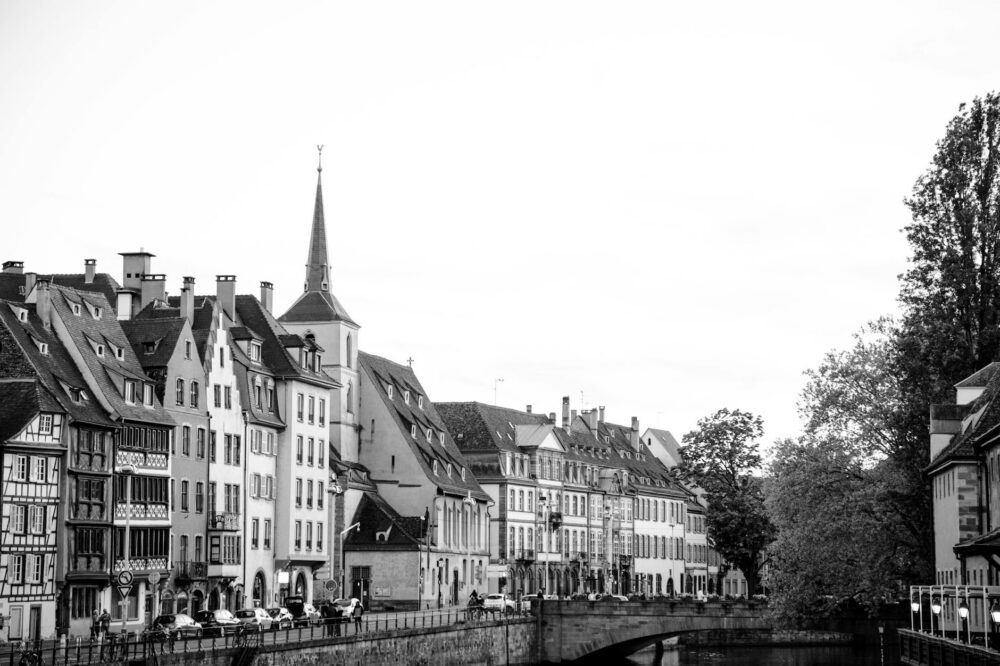
In Strasbourg, the Ill River forms a network of canals around the historic Grande Île, a UNESCO World Heritage site. The river’s branches create a picturesque setting for the city’s medieval architecture, including the Strasbourg Cathedral. The “Petite France” district, with its half-timbered houses and locks, is a direct result of the Ill’s influence.
Ecological Importance
The Ill River supports a diverse ecosystem. Its waters host species such as pike, perch, and carp, while the riparian zones provide habitats for birds, amphibians, and mammals. The river is part of the Rhine-Meuse basin and contributes to the region’s biodiversity. Conservation efforts focus on maintaining water quality and restoring natural floodplains, which help mitigate flooding and support wildlife.
Environmental Challenges
Like many European rivers, the Ill faces challenges from pollution, urbanization, and climate change. Agricultural runoff and industrial discharges have impacted water quality in the past, but recent regulations have improved conditions. The river’s flow regime is also affected by canalization and hydroelectric projects, which can disrupt natural habitats.
Recreation and Tourism
The Ill River offers numerous recreational opportunities. Boating, kayaking, and fishing are popular activities along its course. Scenic cycling and hiking trails follow the river, allowing visitors to explore the Alsatian countryside. The Ill also passes through several nature reserves, such as the Ried de l’Ill, which are ideal for birdwatching.
Notable Sites Along the Ill
- Mulhouse – a city with a rich industrial history
- Colmar – known for its well-preserved old town
- Strasbourg – the European capital and home to the European Parliament
- Petite France – a historic district with canals and locks
Conclusion
The Ill River is more than just a waterway; it is the lifeblood of Alsace. From its source in the Jura to its confluence with the Rhine, the Ill shapes the landscape, sustains ecosystems, and enriches the cultural heritage of the region. Understanding what the Ill River is involves appreciating its geography, history, and ongoing significance. Whether you are a traveler, a historian, or an ecologist, the Ill River offers a fascinating glimpse into the heart of northeastern France.
Photo by Alan Kabeš on Pexels