Table des matières:
How Long Is the Train from Paris to Strasbourg?
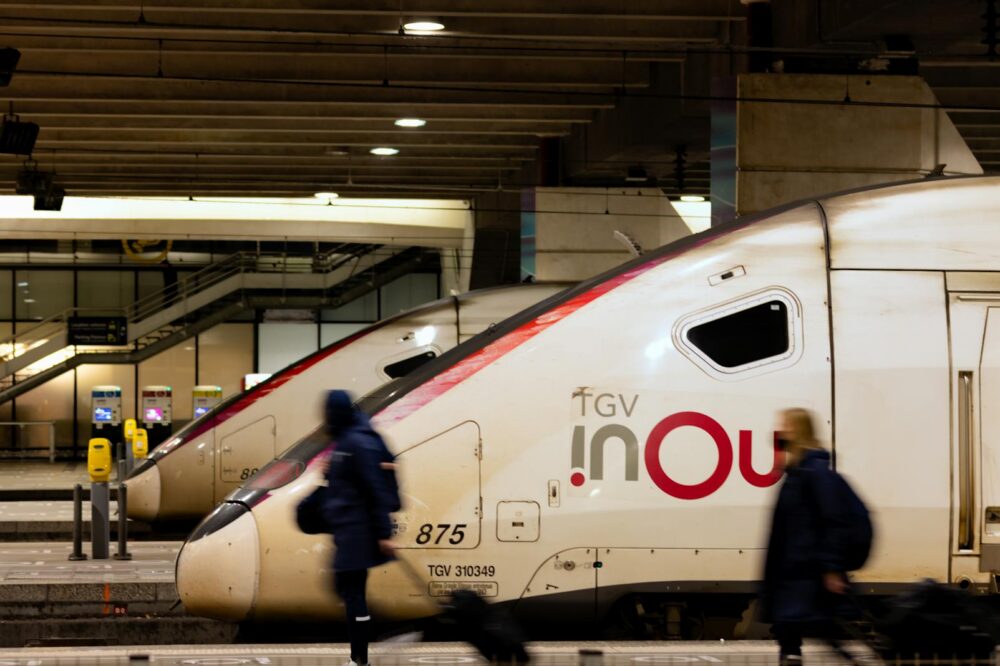
The train journey from Paris to Strasbourg is one of the most popular high-speed routes in France. Thanks to the TGV (Train à Grande Vitesse), the trip is remarkably fast and convenient. So, how long is the train from Paris to Strasbourg? On average, the direct TGV takes about 1 hour and 46 minutes to cover the approximately 400 kilometers (250 miles) between the two cities. However, travel times can vary depending on the specific train, time of day, and whether you choose a direct or connecting service.
Average Travel Time: Direct vs. Indirect Trains
When asking how long the train from Paris to Strasbourg takes, the answer depends largely on the type of service you select.
Direct TGV Trains
The fastest and most common option is the direct TGV. These trains run frequently throughout the day and complete the journey in as little as 1 hour 46 minutes. The fastest recorded time is around 1 hour 40 minutes, but most direct services fall within the 1h45–1h50 range.
Indirect Trains with Connections
If you opt for a train that requires a transfer (for example, in Nancy or Metz), the total travel time increases significantly. Indirect journeys can take anywhere from 2 hours 30 minutes to over 4 hours, depending on the connection time and route. For most travelers, the direct TGV is the preferred choice for its speed and simplicity.
Factors That Affect Travel Time
Several factors can influence how long the train from Paris to Strasbourg actually takes:
- Type of train: TGV vs. TER (regional) or OUIGO (budget high-speed). OUIGO trains are slightly slower, typically taking around 2 hours.
- Stops: Some direct TGVs make intermediate stops at stations like Champagne-Ardenne TGV or Lorraine TGV, adding 5–15 minutes to the journey.
- Time of day: Early morning and late evening trains may have fewer stops and run closer to the minimum time.
- Seasonal schedules: During peak travel periods, extra trains may be added, but schedules remain consistent.
Departure and Arrival Stations
Both Paris and Strasbourg have major train stations that are well-connected to city centers and public transport.
Paris Gare de l’Est
All trains from Paris to Strasbourg depart from Gare de l’Est, one of the six main railway stations in Paris. The station is located in the 10th arrondissement and is easily accessible via Metro lines 4, 5, and 7, as well as RER E. Allow at least 15–20 minutes to navigate the station before departure.
Strasbourg-Ville Station
Trains arrive at Strasbourg-Ville, the city’s central station. It is a modern hub with tram and bus connections to all parts of Strasbourg. The station is located about 15 minutes on foot from the historic city center and the famous Cathedral.
Ticket Prices and Booking Tips
Knowing how long the train from Paris to Strasbourg takes is only part of the planning. Ticket prices vary widely based on how far in advance you book and the type of train.
- Advance booking: Tickets for TGV trains can be purchased up to 4 months in advance. Early bookings often secure the best prices, starting around €25–€40 for a one-way second-class ticket.
- OUIGO: This low-cost TGV service offers fares as low as €10–€20, but trains are slower (around 2 hours) and luggage restrictions apply.
- First class: Premium tickets include wider seats, more legroom, and complimentary refreshments, with prices starting at €50–€70.
- Flexibility: Flexible tickets allow changes and refunds but cost significantly more than non-exchangeable fares.
Comparing Train vs. Other Modes of Transport
When considering how long the train from Paris to Strasbourg takes, it’s helpful to compare it with alternative travel options:
- Car: Driving takes about 4 to 5 hours via the A4 autoroute, depending on traffic. Tolls and fuel costs can exceed the price of a train ticket.
- Bus: FlixBus and other operators offer services that take around 5–6 hours, with fares as low as €15–€30. However, comfort and travel time are inferior to the train.
- Plane: There are no direct flights between Paris and Strasbourg; the flight time is short, but with airport transfers and security checks, total door-to-door time is often longer than the train.
Tips for a Smooth Journey
To make the most of your trip, keep these tips in mind:
- Book early: For the best prices and preferred departure times, book your tickets as soon as they become available.
- Check the platform: Platforms at Gare de l’Est can change at the last minute; monitor the departure boards.
- Pack light: If traveling on OUIGO, adhere to strict luggage limits (one carry-on and one personal item).
- Enjoy the scenery: The route passes through the Champagne region and the Vosges foothills, offering pleasant views.
- Arrive early: Aim to be at the station at least 30 minutes before departure for direct TGVs, and 45 minutes for OUIGO (due to security checks).
Frequently Asked Questions
Is the train from Paris to Strasbourg always direct?
No, but most high-speed TGVs are direct. Some services require a change, especially if you book a regional train or a specific budget option. Always check the itinerary when booking.
How many trains run daily between Paris and Strasbourg?
There are approximately 15 to 20 direct TGV trains per day, with additional indirect options. Service frequency is higher during peak hours and weekdays.
Can I use the Eurail pass on this route?
Yes, but you may need to reserve a seat on the TGV, which incurs an additional fee (around €10–€20). Reservations can be made online or at the station.
What is the fastest train from Paris to Strasbourg?
The fastest recorded time for a direct TGV is 1 hour 40 minutes, but most schedule times are around 1 hour 46 minutes. Check the schedule for the specific train you plan to take.
Conclusion
So, how long is the train from Paris to Strasbourg? For most travelers, the answer is approximately 1 hour and 46 minutes on a direct TGV. This efficient high-speed connection makes Strasbourg an easily accessible destination for a day trip or a longer stay. By booking in advance and choosing the right train, you can enjoy a quick, comfortable, and affordable journey between these two beautiful French cities. Whether you’re visiting for business, leisure, or the famous Christmas markets, the train is undoubtedly the best way to travel.
Photo by Rohit Verma on Pexels