Table des matières:
Introduction
Florence, the cradle of the Renaissance, is a city where art and history breathe on every corner. With an unparalleled concentration of masterpieces, choosing what are the best museums in Florence can be overwhelming. This guide curates the essential museums, from world-famous galleries to intimate collections, ensuring you experience the very best of Florentine culture. Whether you’re an art aficionado or a first-time visitor, these museums promise unforgettable encounters with genius.
The Uffizi Gallery: The Crown Jewel of Renaissance Art
No discussion of what are the best museums in Florence is complete without the Uffizi. Housing one of the world’s most important art collections, the Uffizi Gallery is a pilgrimage site for lovers of Renaissance painting. Founded by the Medici family, its vast halls display works by Botticelli, Leonardo da Vinci, Michelangelo, Raphael, and Caravaggio.
Must-See Masterpieces at the Uffizi
- Botticelli’s “Birth of Venus” – The iconic depiction of the goddess emerging from the sea.
- Leonardo da Vinci’s “Annunciation” – A sublime early work showcasing Leonardo’s mastery.
- Michelangelo’s “Doni Tondo” – The only completed easel painting by Michelangelo.
- Raphael’s “Madonna of the Goldfinch” – A tender portrayal of the Virgin and Child.
To avoid long queues, book tickets online in advance. Consider a guided tour to unlock the stories behind the art. The Uffizi is not just a museum; it’s a journey through the Renaissance soul.
Accademia Gallery: Home of Michelangelo’s David
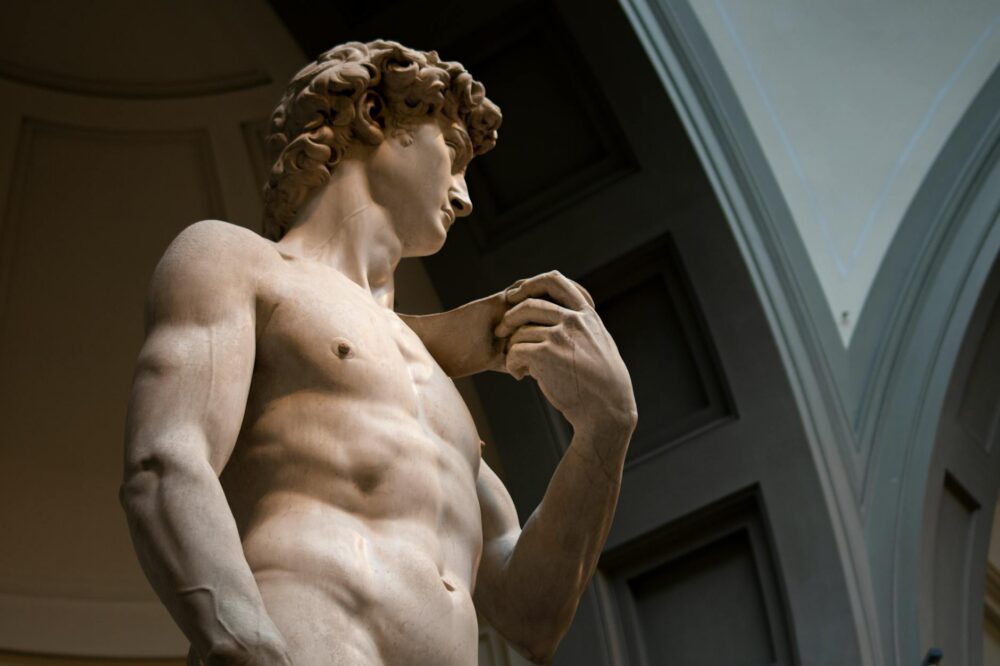
When asking what are the best museums in Florence, the Accademia Gallery immediately comes to mind. Its undisputed star is Michelangelo’s David, a 17-foot marble colossus symbolizing human perfection and civic pride. Beyond David, the museum houses Michelangelo’s unfinished “Slaves” and a collection of Florentine paintings.
Tips for Visiting the Accademia
- Book tickets weeks ahead, especially in peak season.
- Visit early morning or late afternoon for fewer crowds.
- Don’t miss the Hall of the Colossus and the musical instruments collection.
The Accademia is compact; you can explore it in 1-2 hours, leaving time for other museums.
Palazzo Vecchio Museum: A Civic and Artistic Treasure
Located in the heart of Florence’s Piazza della Signoria, the Palazzo Vecchio is both a historic town hall and a museum. Its opulent rooms, such as the Salone dei Cinquecento, feature frescoes by Vasari and offer sweeping views from the tower. The museum tells the story of Florence’s political and cultural power.
Highlights of Palazzo Vecchio
- Salone dei Cinquecento – A vast hall with frescoes celebrating Florentine victories.
- Quarters of the Elements – Lavish apartments decorated with mythological themes.
- Arnold Tower – Climb for panoramic views of Florence.
A combined ticket with the nearby Bargello is a great value.
Bargello National Museum: Sculpture and Decorative Arts
For sculpture lovers, the Bargello is a must. Housed in a medieval fortress, it contains masterpieces by Donatello, Michelangelo, and Cellini. Donatello’s bronze David, the first nude male statue since antiquity, is a highlight. The museum also features ivories, ceramics, and armor.
Pitti Palace: The Medici’s Grand Residence and Its Museums
Across the Arno River, the Pitti Palace complex encompasses several museums. The Palatine Gallery rivals the Uffizi with works by Raphael and Titian. The Royal Apartments offer a glimpse into the lives of the Medici and later rulers. The Gallery of Modern Art, Costume Museum, and Boboli Gardens complete the experience.
What to See at Pitti Palace
- Palatine Gallery – Raphael’s “Madonna della Seggiola” and Titian’s “Portrait of a Man.”
- Boboli Gardens – A sprawling Renaissance garden with fountains and sculptures.
- Costume Museum – A collection of historical clothing from the 18th to 20th centuries.
Allocate at least half a day to explore the palace and gardens.
Museo di San Marco: Fra Angelico’s Spiritual Retreat
In the peaceful convent of San Marco, the museum displays Fra Angelico’s serene frescoes. Each monk’s cell is adorned with a fresco, creating an atmosphere of meditative beauty. The museum also houses works by Beato Angelico, including the famous “Annunciation.”
Museo dell’Opera del Duomo: Treasures from the Cathedral
This museum, located behind the Duomo, houses the original artworks from the cathedral, baptistery, and Giotto’s Campanile. Highlights include Ghiberti’s “Gates of Paradise” panels, Donatello’s wooden “Magdalene,” and Michelangelo’s “Pietà Bandini.” The museum offers a comprehensive narrative of the Duomo’s construction and its artistic heritage.
Lesser-Known Gems: Off-the-Beaten-Path Museums
Beyond the blockbusters, Florence hides intimate museums. The Museo Bardini features a eclectic collection of sculptures, paintings, and antiques in a charming palazzo. The Museo di Storia Naturale (La Specola) has an impressive collection of wax anatomical models. The Museo Novecento showcases 20th-century Italian art.
Planning Your Museum Visits: Practical Tips
To maximize your experience of what are the best museums in Florence, plan strategically. Buy tickets online for major museums. Consider a Firenze Card or a combo ticket for multiple sites. Visit early or late to avoid crowds. Many museums are closed on Mondays. Allow at least 2-3 hours for large museums like the Uffizi and Pitti Palace. Comfortable shoes are essential.
Conclusion
Florence’s museums are a testament to human creativity and historical richness. From the Uffizi’s Renaissance masterpieces to the intimate frescoes of San Marco, each museum offers a unique window into the city’s soul. When you ponder what are the best museums in Florence, let your interests guide you—whether art, history, or sculpture. With this curated guide, you’re ready to explore the best of Florence’s cultural treasures. Plan your itinerary, book ahead, and immerse yourself in the timeless beauty of the Renaissance.
Photo by Fabio Mariano on Pexels