Table des matières:
Understanding the Linguistic Landscape of Toulouse
Toulouse, the vibrant capital of the Occitanie region in southwestern France, is a city where history and modernity blend seamlessly. When visitors ask, “What language is spoken in Toulouse?”, the answer is multifaceted. While French is the official language used in all official contexts, the city’s rich cultural heritage includes Occitan, a Romance language with deep historical roots. This article explores the languages of Toulouse, offering insights for travelers, language enthusiasts, and those considering relocation.
French: The Official Language of Toulouse
As in the rest of France, French is the sole official language in Toulouse. It is used in government, education, media, and daily communication. The French spoken in Toulouse is standard Metropolitan French, though you may notice a slight southern accent, characterized by a more open pronunciation of certain vowels and a relaxed intonation. For visitors, speaking standard French will be perfectly understood, and most locals in tourist areas also speak English.
Is English Widely Spoken in Toulouse?
While French dominates, English is increasingly common among younger generations and in the service industry. In central areas, hotels, restaurants, and tourist attractions, staff often have basic to intermediate English skills. However, learning a few French phrases will enhance your experience and is appreciated by locals. For long-term stays, proficiency in French is essential for integration.
Occitan: The Historical Language of Toulouse
The question “What language is spoken in Toulouse?” cannot be fully answered without mentioning Occitan. Also known as langue d’oc, Occitan was the vernacular of southern France during the Middle Ages. Toulouse was a major center of Occitan culture and literature. Today, while Occitan is not widely spoken in daily life, it is experiencing a revival through cultural associations, bilingual schools (called calandretas), and regional pride.
Occitan Dialects in the Toulouse Area
The Occitan spoken in Toulouse belongs to the Languedocien dialect, one of six main Occitan dialects. Key features include:
- Vocabulary: Words like adieu (goodbye, literally “to God”) and pichon (small) are distinct from French.
- Pronunciation: The stress often falls on the penultimate syllable, giving a melodic quality.
- Presence: Occitan is taught in some schools, and you may see bilingual street signs in Toulouse.
Where to Hear Occitan in Toulouse
While casual conversation in Occitan is rare, you can encounter it in:
- Cultural festivals like Estivada (though held in Rodez, it attracts Occitan speakers from the region).
- Traditional music performances, where Occitan songs are preserved.
- University courses and language meetups.
Other Languages in Toulouse: A Multicultural Hub
Toulouse is a cosmopolitan city, home to a large international community due to its aerospace industry (Airbus) and universities. Consequently, you will hear:
- Spanish: Due to proximity to Spain, Spanish is the most common foreign language.
- Arabic: Spoken by North African communities.
- English: Used in international business and among expats.
- German, Italian, and Portuguese: Also present but less dominant.
Practical Language Tips for Visitors to Toulouse
Essential French Phrases
To navigate Toulouse comfortably, learn these basics:
- Bonjour (Hello)
- Merci (Thank you)
- S’il vous plaît (Please)
- Parlez-vous anglais ? (Do you speak English?)
- Où sont les toilettes ? (Where are the toilets?)
Language Etiquette
French culture values politeness. Always greet with “Bonjour” before asking a question. In shops, say “Bonjour” upon entering. Avoid assuming everyone speaks English; a polite “Parlez-vous anglais?” goes a long way.
Language and Identity in Toulouse
The question “What language is spoken in Toulouse?” is also about identity. Many Toulousains are proud of their Occitan heritage, even if they don’t speak the language fluently. This pride is reflected in local place names (e.g., the river Garonne from Occitan Garona) and the city’s nickname “La Ville Rose” (The Pink City), which is a French translation of the Occitan Vila Rosa.
Occitan Revival Efforts
In recent years, there has been a push to revitalize Occitan. The French government recognizes it as a regional language, and it can be studied as an option in schools. In Toulouse, the association Escòla Occitana offers courses and promotes Occitan culture. Bilingual signage is increasing, and some radio stations broadcast in Occitan.
Frequently Asked Questions About Languages in Toulouse
Do People in Toulouse Speak Catalan?
Catalan is spoken in the far south of Occitanie (Perpignan area), but not commonly in Toulouse. However, due to its proximity to Spain, you may encounter Catalan speakers, but it is not a local language.
Can I Get By with English Only in Toulouse?
In tourist areas and with younger people, yes. However, for a deeper experience, learning French is highly recommended. In suburbs or traditional markets, English may not be spoken.
Is Occitan Similar to French?
Occitan and French are both Romance languages, but they are not mutually intelligible. Occitan shares more similarities with Catalan and Italian than with French. For example, “hello” in Occitan is bonjorn (similar to Catalan bon dia), while in French it is bonjour.
Conclusion: Embracing the Linguistic Diversity of Toulouse
So, what language is spoken in Toulouse? The answer is primarily French, but the city’s soul is also woven with Occitan threads. As a visitor, you will easily communicate in French and often in English. But taking time to appreciate Occitan—through street names, cultural events, or a simple adieu—will enrich your experience. Toulouse is a city where language reflects history, and understanding this adds depth to any visit.
Whether you’re planning a trip, moving for work, or simply curious, knowing the linguistic landscape of Toulouse helps you connect more authentically with this beautiful corner of France. Embrace the blend of French and Occitan, and you’ll discover a city proud of its voice.
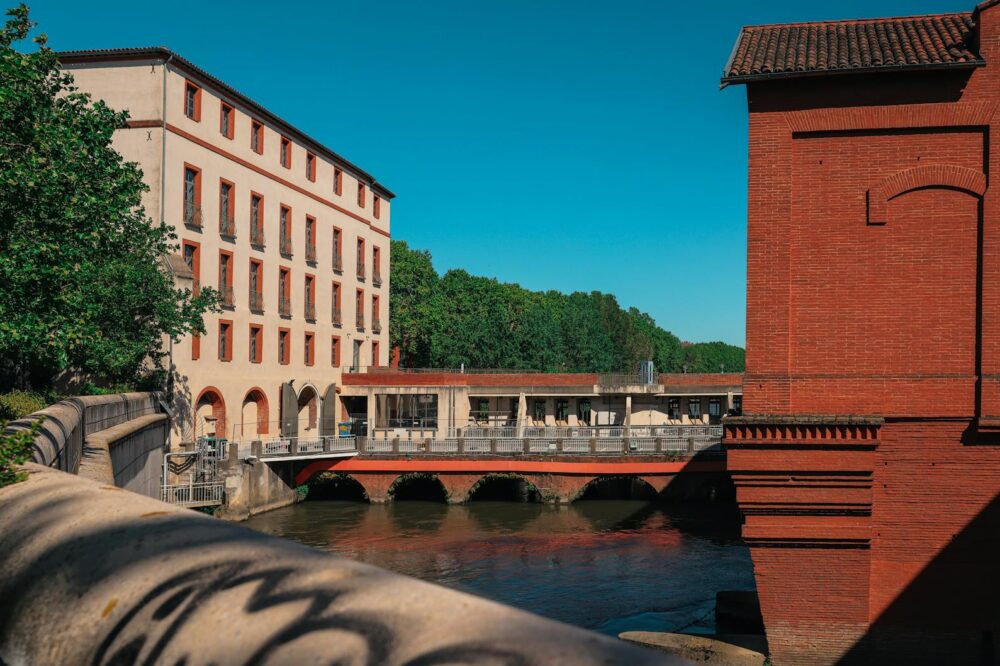
Photo by TBD Traveller on Pexels