Table des matières:
Introduction
Barcelona is renowned for its vibrant culture, stunning architecture, and beautiful beaches, but did you know it’s also a fantastic destination for bird watching? If you’re wondering, are there any bird watching spots near Barcelona? The answer is a resounding yes. The region of Catalonia offers a remarkable diversity of habitats, from coastal wetlands to mountainous forests, attracting a wide variety of bird species throughout the year. Whether you’re a seasoned birder or a curious beginner, the areas surrounding Barcelona provide exceptional opportunities to observe both resident and migratory birds. In this article, we’ll explore the top bird watching spots near Barcelona, what species you can expect to see, and tips for making the most of your avian adventure.
Why Barcelona is a Bird Watching Haven
Barcelona’s geographical location between the Mediterranean Sea and the Pyrenees mountains creates a unique crossroads for bird migration. The region’s mild climate and diverse ecosystems—including wetlands, river deltas, coastal cliffs, and forests—support a rich avian population. Many species stop here during their long journeys between Europe and Africa, making it a prime spot for bird watching. Additionally, several protected natural areas near Barcelona are easily accessible by public transport or a short drive, making it convenient for visitors to enjoy bird watching without venturing far from the city.
Top Bird Watching Spots Near Barcelona
1. Llobregat Delta (Delta del Llobregat)
Located just south of Barcelona, the Llobregat Delta is one of the most important wetland areas in Catalonia. This protected natural park covers over 900 hectares and is a haven for waterbirds and migratory species. The delta features lagoons, marshes, and reed beds that attract a wide range of birds.
- Key species: Purple heron, little egret, glossy ibis, Audouin’s gull, common tern, and various ducks and waders.
- Best time to visit: Spring and autumn for migration; winter for waterfowl.
- Access: Easily reachable by train from Barcelona (R2 Sud line to El Prat de Llobregat) or by car via the C-31 highway.
- Tips: Visit the Ricarda and Cal Tet observatories for the best views. Early morning is ideal.
2. Garraf Massif (Massís del Garraf)
Just southwest of Barcelona, the Garraf Massif offers a rugged, karstic landscape with cliffs, scrubland, and pine forests. This coastal mountain range is excellent for bird watching, especially for raptors and Mediterranean species.
- Key species: Bonelli’s eagle, peregrine falcon, Eurasian griffon vulture, blue rock thrush, and Dartford warbler.
- Best time to visit: Spring and early summer for breeding birds.
- Access: By car via the C-32 highway or bus from Barcelona to Castelldefels or Sitges. Hiking trails start from various points.
- Tips: Bring binoculars and a scope for spotting raptors. The La Falconera viewpoint is a popular spot.
3. Montserrat Mountain
Montserrat, with its iconic serrated peaks, is not only a spiritual and cultural landmark but also a fantastic bird watching destination. The rocky cliffs and forests host a variety of bird species, including some rare ones.
- Key species: Golden eagle, peregrine falcon, alpine swift, crag martin, and black wheatear.
- Best time to visit: Spring and autumn for migration; year-round for resident species.
- Access: By train from Barcelona to Montserrat-Aeri station, then cable car or funicular; or by car via the A-2 highway.
- Tips: Hike the trails around the monastery for the best birding. The Sant Jeroni peak offers panoramic views.
4. Aiguamolls de l’Empordà Natural Park
Located about two hours north of Barcelona, this coastal wetland park is one of the most important in Catalonia. It’s a vital stopover for migratory birds and a breeding ground for many species.
- Key species: Purple swamphen, great reed warbler, marsh harrier, little bittern, and various herons and ducks. In winter, flocks of cranes can be seen.
- Best time to visit: Spring and autumn for migration; winter for cranes and waterfowl.
- Access: By car via the AP-7 highway to Figueres, then local roads; or by train to Figueres and then bus.
- Tips: Visit the Cortalet visitor center for information and trails. The park has several hides and observation points.
5. Delta de l’Ebre Natural Park
About two hours south of Barcelona, the Ebro Delta is one of the largest wetland areas in the western Mediterranean. It’s a paradise for bird watchers, with over 300 species recorded.
- Key species: Greater flamingo, Audouin’s gull, sandwich tern, Kentish plover, and Eurasian spoonbill. Also, many waders and ducks.
- Best time to visit: Spring and autumn for migration; winter for large flocks of flamingos and waterfowl.
- Access: By car via the AP-7 highway to Amposta, then local roads; or by bus from Barcelona to Tortosa and then local transport.
- Tips: Rent a bike to explore the park. The Punta de la Banya and Riet Vell areas are particularly good.
6. Collserola Natural Park
Just behind Barcelona, Collserola is a large metropolitan park that offers a green escape with diverse habitats. It’s easily accessible and great for a quick bird watching session.
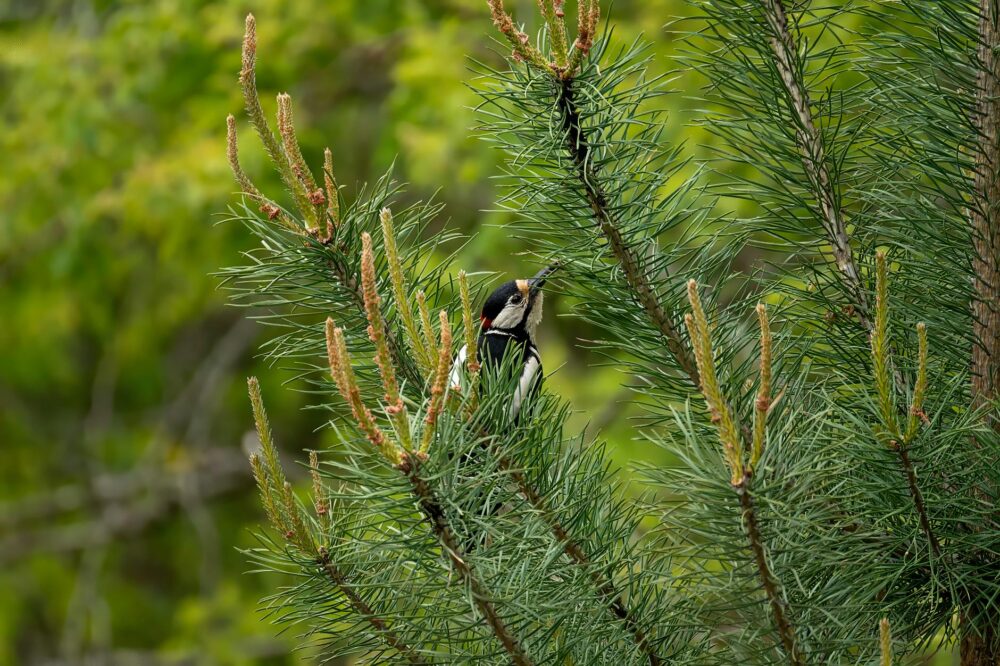
- Key species: Eurasian jay, great spotted woodpecker, short-toed treecreeper, and various finches. Raptors like the common buzzard and sparrowhawk are also present.
- Best time to visit: Year-round; spring for breeding birds.
- Access: By bus or train from Barcelona to various points like Vallvidrera or Sant Cugat. Many trails start from the Collserola visitor center.
- Tips: The Can Coll area and the Turó de la Vilana are good spots. Bring water and snacks.
Bird Watching Tips for Barcelona
To make the most of your bird watching experience near Barcelona, consider the following tips:
- Timing: Early morning and late afternoon are the best times for bird activity. Many spots are quieter on weekdays.
- Equipment: Bring binoculars (8×42 or similar), a field guide (or use a birding app), and a notebook. A scope can be useful for wetlands and open areas.
- Clothing: Wear neutral colors and comfortable shoes. Layers are recommended as coastal areas can be windy.
- Respect nature: Stay on trails, avoid disturbing birds, and do not play calls. Follow park rules.
- Join a local group: Consider joining a guided bird walk with the Catalan Ornithological Institute (ICO) or local birding clubs for expert knowledge.
Seasonal Bird Watching in Barcelona
The bird species you’ll see near Barcelona vary by season. Here’s a quick overview:
- Spring (March-May): Peak migration period. Many warblers, flycatchers, and waders pass through. Breeding birds become active.
- Summer (June-August): Good for resident species and breeding birds. Coastal spots are lively with terns and gulls.
- Autumn (September-November): Another migration peak. Raptors like honey buzzards and black kites can be seen. Wetlands host many waders.
- Winter (December-February): Excellent for waterfowl, including ducks, geese, and cranes. Flamingos are abundant in the Ebro Delta.
Conclusion
So, are there any bird watching spots near Barcelona? Absolutely. From the wetlands of the Llobregat Delta and Aiguamolls de l’Empordà to the rugged cliffs of Garraf and Montserrat, the region offers a wealth of opportunities for bird enthusiasts. Each location provides a unique habitat and a chance to see a diverse array of species, from majestic raptors to colorful warblers and elegant flamingos. Whether you have a few hours or a full day, you can easily combine a bird watching excursion with your visit to Barcelona. Remember to plan your trip according to the season, bring the right gear, and respect the natural environment. Happy birding!
Photo by Gundula Vogel on Pexels