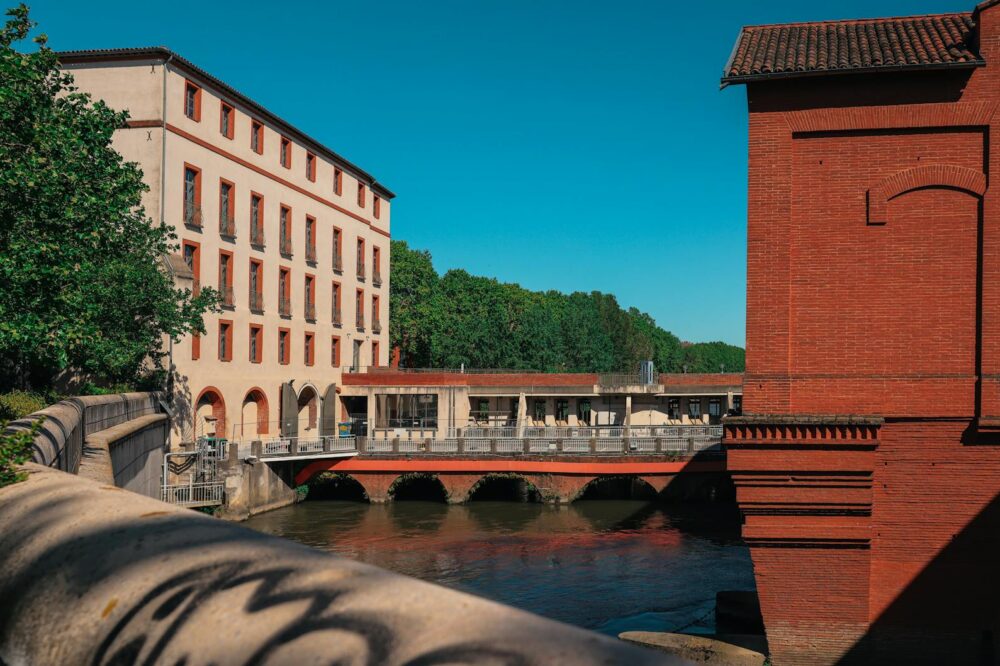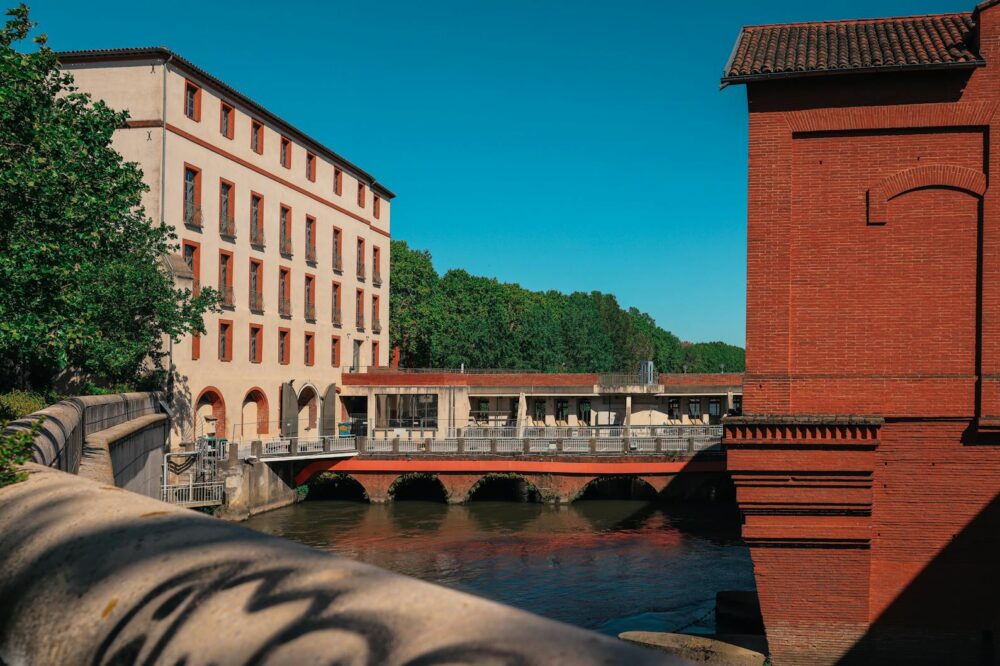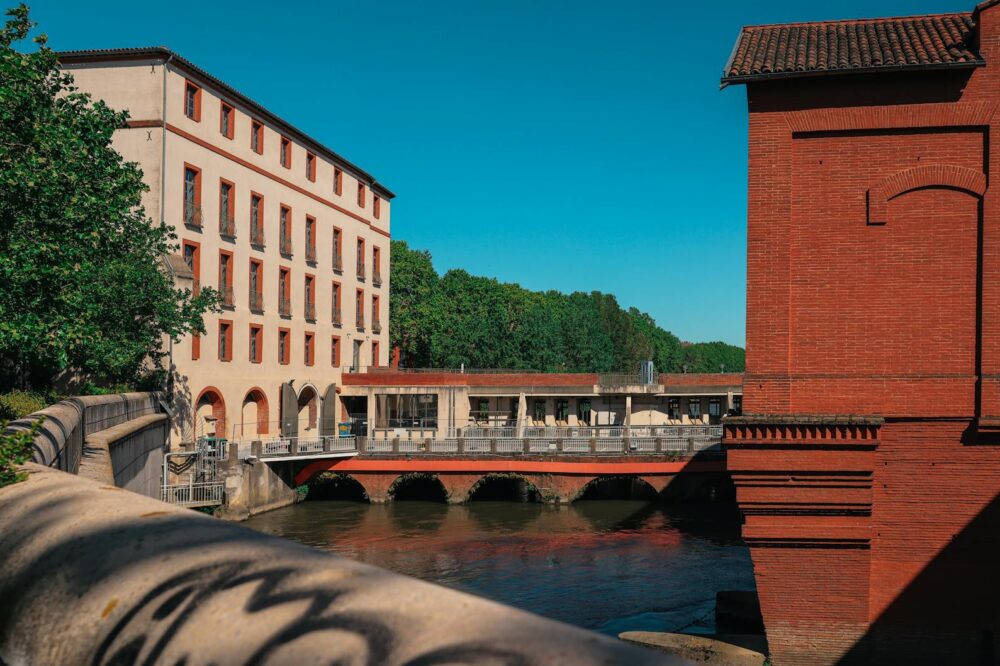
Toulouse, often called the “Pink City” due to its distinctive terracotta brick architecture, is a vibrant metropolis in southwestern France. While it is famous for aerospace, rugby, and cassoulet, many visitors wonder: Is Toulouse known for wine? The answer is nuanced. Toulouse itself is not a major wine-producing region like Bordeaux or Burgundy, but it sits at the heart of an area with a rich viticultural heritage. The city is a perfect gateway to explore the wines of Sud-Ouest (Southwest France), and its wine bars and shops are a testament to the region’s vinous treasures. This article will explore Toulouse’s wine scene, the surrounding wine regions, and why the city deserves a spot on any wine lover’s itinerary.
Table des matières:
The Wine Culture in Toulouse: More Than Just a Transit Hub
Toulouse has historically been a commercial crossroads between the Atlantic and the Mediterranean, and wine has always flowed through its canals and streets. While the city itself has few vineyards, its residents have a deep appreciation for wine. In recent years, a new generation of sommeliers and wine merchants has revitalized the local scene, making Toulouse a destination for natural wines and regional specialties.
Wine Bars and Cellars in the Pink City
To experience Toulouse’s wine culture, head to its many wine bars. Le Bar à Vins in the historic center offers a curated selection of wines from all over France, with a focus on the Sud-Ouest. La Cave de la Cité is a cozy spot where you can taste organic and biodynamic wines. For a more immersive experience, visit La Cave des Vignerons de Toulouse, a cooperative cellar that features wines from local producers. These establishments prove that while Toulouse may not be a wine capital, it is a city that celebrates wine with passion.
Wine Regions Near Toulouse: A Treasure Trove of Terroir
The real answer to “Is Toulouse known for wine?” lies in its proximity to several distinct wine regions. Within an hour’s drive, you can explore vineyards that produce everything from light reds to sweet fortified wines. Here are the key appellations to know:
- Fronton (Côtes du Frontonnais): Just 30 minutes north of Toulouse, Fronton is famous for its Négrette grape, which yields soft, fruity reds with notes of violet and spice. This is the wine most associated with Toulouse.
- Gaillac: Southeast of Toulouse, Gaillac is one of France’s oldest wine regions. It produces a wide range of styles, including sparkling wines (Gaillac Perlé), dry whites, and sweet late-harvest wines.
- Madiran: A bit further southwest, Madiran is known for its powerful reds made from Tannat grapes. These wines are robust, tannic, and age-worthy.
- Jurançon: In the foothills of the Pyrenees, Jurançon produces sweet wines from Petit Manseng and Gros Manseng grapes, perfect with foie gras or blue cheese.
- Saint-Mont: A lesser-known appellation near Madiran, Saint-Mont offers excellent value with its blend of Tannat, Cabernet Sauvignon, and local grapes.
Exploring the Vineyards: Day Trips from Toulouse
If you have time, take a day trip to the vineyards. Many tour operators offer half-day or full-day excursions. You can also drive yourself: the Fronton wine route is well-marked and accessible. Most wineries welcome visitors for tastings, and some have restaurants or picnic spots. This is where you truly understand why Toulouse is known for wine—not for producing it, but for being the perfect base to explore the diverse terroirs of the Sud-Ouest.
Regional Grape Varieties You Must Try
The Sud-Ouest is a treasure trove of indigenous grape varieties that you won’t find elsewhere. When in Toulouse, seek out wines made from these grapes:
- Négrette: The star of Fronton, this grape produces elegant, aromatic reds.
- Duras: Used in Gaillac, Duras adds structure and spice to red blends.
- Fer Servadou: Also called Braucol in Gaillac, this grape gives peppery, rustic reds.
- Petit Manseng: Late-ripening and thick-skinned, it makes luscious sweet wines in Jurançon.
- Loin de l’Oeil: A white grape from Gaillac that yields fresh, citrusy wines.
These grapes are a testament to the region’s biodiversity and winemaking history. Trying them is a must for any wine enthusiast visiting Toulouse.
Wine and Food Pairing in Toulouse
Toulouse is a gastronomic hub, and wine pairing is taken seriously. The local cuisine—cassoulet, duck confit, foie gras, and sausages—calls for specific wines. For a classic cassoulet, a red from Fronton or Madiran is ideal. For foie gras, a sweet Jurançon or a sparkling Gaillac Perlé works wonders. Many restaurants have sommeliers who can guide you. Don’t be afraid to ask for local recommendations; the staff are often passionate about the wines of the region.
Wine Shops and Markets in Toulouse
To bring a taste of Toulouse home, visit one of the city’s excellent wine shops. Les Caves de la Madeleine offers a vast selection of French wines, with a focus on the Sud-Ouest. La Cave des Vignerons de Toulouse is a cooperative where you can buy directly from producers. The Marché Victor Hugo is not just for food; some vendors also sell wine. For a unique experience, visit La Maison des Vins du Sud-Ouest, where you can taste and buy wines from the entire region.
So, Is Toulouse Known for Wine? The Verdict
While Toulouse may not be as famous for wine as Bordeaux or Champagne, it is undeniably a wine city. It serves as the cultural and commercial heart of the Sud-Ouest wine region, offering easy access to diverse appellations and a thriving urban wine scene. The city’s wine bars, shops, and restaurants celebrate the best of local viticulture. So, is Toulouse known for wine? Yes, but in its own unique way—as a gateway, a hub, and a place where wine is an integral part of daily life.
Practical Tips for Wine Lovers Visiting Toulouse
- Best time to visit: Spring (April-June) and fall (September-October) for pleasant weather and harvest season.
- Getting around: Rent a car to explore vineyards, or join a guided tour.
- Language: While many winemakers speak English, learning a few French phrases enhances the experience.
- Budget: Wines from the Sud-Ouest are often excellent value compared to Bordeaux or Burgundy.
- Events: Check for wine festivals like the Fête des Vins de Fronton in June.
In conclusion, Toulouse is a wonderful destination for wine lovers who want to explore beyond the famous French wine regions. Its local wines, vibrant wine bars, and proximity to diverse terroirs make it a hidden gem. So next time someone asks, “Is Toulouse known for wine?” you can confidently answer: yes, and it’s time to discover why.
Photo by TBD Traveller on Pexels