Table des matières:
Introduction
Planning a trip to Florence? The Uffizi Gallery is one of the world’s most famous art museums, housing masterpieces by Botticelli, Leonardo da Vinci, Michelangelo, and Caravaggio. But with over two million visitors annually, knowing what is the best time to visit the Uffizi Gallery can make the difference between a serene art appreciation and a stressful shuffle through crowds. This guide breaks down the optimal seasons, days, and hours to visit, along with practical tips to enhance your experience.
Why Timing Matters at the Uffizi Gallery
The Uffizi is consistently one of Italy’s top attractions. Without strategic planning, you could spend hours waiting in line. The museum’s popularity means that peak times can lead to long queues, limited viewing space, and a rushed experience. Understanding what is the best time to visit the Uffizi Gallery helps you maximize your time and enjoy the art without frustration.
Peak vs. Off-Peak Seasons
Florence experiences distinct tourist seasons that directly impact crowd levels at the Uffizi.
- High Season (April-October): Spring, summer, and early fall bring warm weather and massive crowds. July and August are the worst, with extreme heat and long lines.
- Shoulder Season (March & November): These months offer a balance of decent weather and reduced crowds. March can still be busy around Easter, while November sees fewer tourists.
- Low Season (December-February): Winter is the quietest time, except for the Christmas and New Year period. January and February are ideal for a peaceful visit.
Best Days of the Week to Visit
Even within a season, weekdays are generally less crowded than weekends. The Uffizi is closed on Mondays, so plan accordingly.
- Tuesday-Thursday: These are often the quietest days. Early in the week, especially Tuesday morning, sees fewer visitors.
- Friday: Can be moderately busy as weekend travelers arrive.
- Weekends: Saturday and Sunday are the most crowded, with long lines and packed galleries. Avoid if possible.
Best Time of Day to Visit
Time of day significantly affects your experience. The Uffizi opens at 8:15 AM and closes at 6:50 PM (last admission at 6:05 PM).
Early Morning (8:15 AM – 10:00 AM)
This is universally the best time to visit. Arriving at opening time allows you to enter with minimal wait and enjoy the galleries before the crowds arrive. The first hour is particularly serene.
Late Afternoon (3:00 PM – 5:00 PM)
Another good window is late afternoon. Many tour groups leave by mid-afternoon, and the museum becomes quieter. Aim to enter around 3 PM for a more relaxed visit.
Avoid Midday (11:00 AM – 2:00 PM)
This is the busiest period, with school groups, tour buses, and peak visitor numbers. Lines can stretch for over an hour.
Seasonal Considerations for Your Visit
Spring (March–May)
Spring is beautiful in Florence, but crowds start building from April. Visit in early March or late May for better conditions. The weather is mild, and the gardens are in bloom.
Summer (June–August)
Summer is the most challenging time. High temperatures, long queues, and packed galleries are the norm. If you must go, book a skip-the-line ticket and visit at opening time. Consider visiting on a weekday in June before the peak of July-August.
Autumn (September–November)
September and October are still busy, but the weather is pleasant. November offers a significant drop in visitors, making it an excellent month for a quiet visit.
Winter (December–February)
Winter is the best season for crowd-free visits. January and February are particularly quiet, though the museum can be chilly. The Christmas period (Dec 24-Jan 6) is busy, so avoid those dates.
Special Events and Holidays
The Uffizi is closed on certain holidays: January 1, May 1, and December 25. On other Italian holidays, the museum may have reduced hours. Check the official website before planning. During Florence’s peak tourist events (like Pitti Immagine in January or June), the city sees more visitors, but the museum itself may not be significantly busier.
Practical Tips for the Best Experience
Book Tickets in Advance
Regardless of when you visit, always book your tickets online. This guarantees entry and saves you from waiting in the long ticket line. Skip-the-line tickets are worth the extra cost.
Consider a Guided Tour
A guided tour can provide context and help you navigate the museum efficiently. Many tours offer early access or after-hours visits.
Use the Official App
The Uffizi’s app includes an audio guide and maps to help you plan your route and avoid crowded rooms.
Visit the Secondary Rooms
While the Botticelli room is always packed, the museum has many quieter galleries with incredible works. Explore the Caravaggio room, the Leonardo da Vinci room, and the collection of ancient sculptures.
Frequently Asked Questions
Is the Uffizi Gallery free on certain days?
Yes, on the first Sunday of each month, the Uffizi is free. However, these days are extremely crowded. If you want a quiet visit, avoid free days.
How long should I spend at the Uffizi?
Most visitors spend 2-3 hours. Art enthusiasts may need 4-5 hours. Plan your time based on your interests.
Can I take photos inside?
Yes, but without flash. Selfie sticks and tripods are not allowed.
Conclusion
So, what is the best time to visit the Uffizi Gallery? For the optimal experience, plan your visit for a Tuesday or Wednesday in winter (January or February) and arrive at opening time (8:15 AM). If you can only go during peak season, book skip-the-line tickets and aim for late afternoon. By timing your visit strategically, you can avoid the crowds and fully appreciate the Renaissance masterpieces that make the Uffizi one of the world’s greatest museums. Plan ahead, book early, and enjoy your journey through art history.
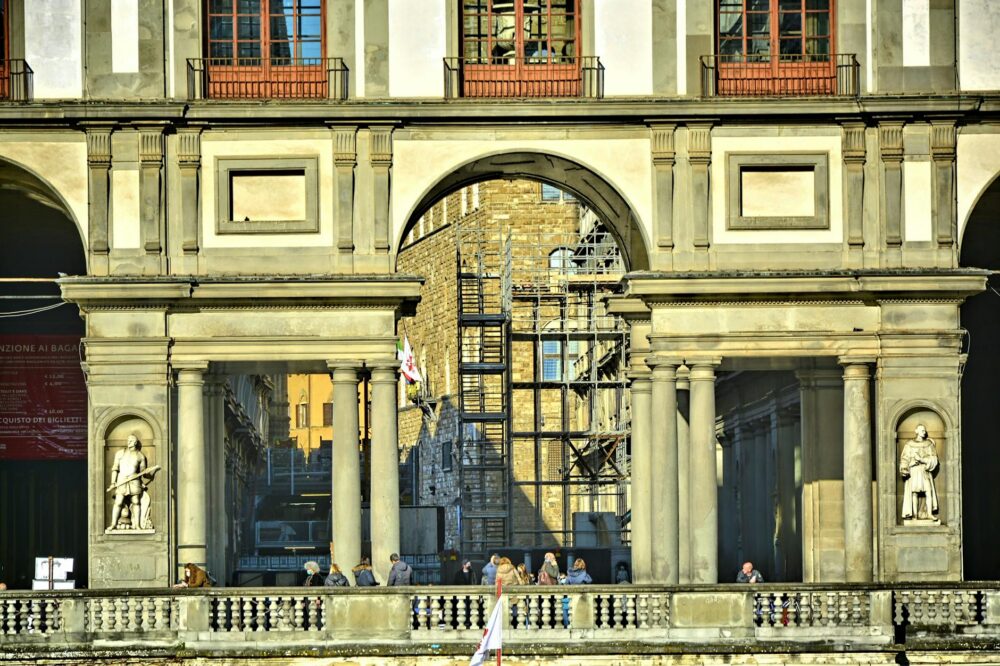
Photo by Rangoni Gianluca on Pexels