Table des matières:
Introduction: Discovering London’s Finest Antique Markets
London is a treasure trove for antique lovers, offering a mix of world-famous markets and hidden gems. Whether you’re a seasoned collector or a curious first-timer, knowing the best London markets for antiques can make your hunt rewarding. From sprawling weekend fairs to niche specialist markets, each location has its own character and specialities. In this guide, we’ll explore the top spots, what to look for, and how to make the most of your visit.
Why London Is a Premier Destination for Antique Hunting
London’s history as a global trade hub means its markets are filled with items from centuries past and diverse cultures. Many markets have operated for decades, attracting dealers from across the UK and Europe. The city’s antique scene is also well-regulated, with many dealers belonging to professional associations, ensuring authenticity and quality.
Top 5 Best London Markets for Antiques
1. Portobello Road Market – The Iconic Antique Hub
Location: Notting Hill, West London
Best for: Silver, jewellery, vintage fashion, and collectibles
When to go: Saturday (main antique day)
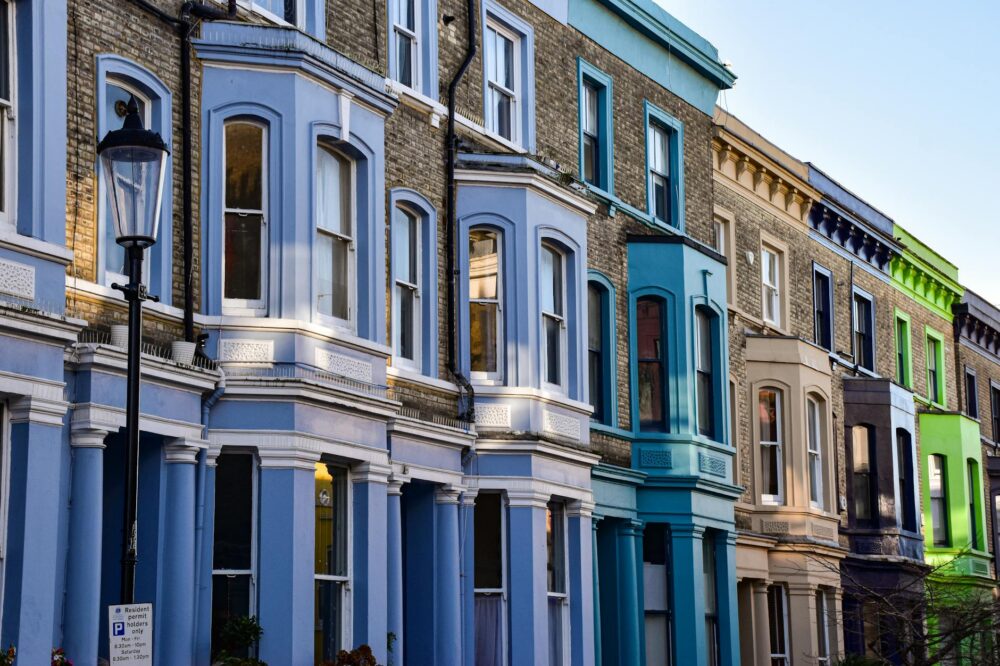
Portobello Road is arguably the most famous antique market in the world. Stretching for over a mile, it’s a vibrant mix of stalls, shops, and arcades. The main antique section is concentrated near the top end, around Chepstow Villas. You’ll find everything from Victorian silver and Art Deco jewellery to retro cameras and vintage clothing. Prices can be high due to its popularity, but bargaining is possible, especially later in the day.
2. Bermondsey Square Antiques Market – A Collector’s Favourite
Location: Bermondsey, South East London
Best for: Furniture, clocks, barometers, and scientific instruments
When to go: Friday (6 AM – 2 PM)
Bermondsey Square is a early-morning market that attracts serious dealers and collectors. It’s smaller than Portobello but known for its high-quality antiques, especially larger items like furniture and architectural salvage. Arrive early for the best finds; many trades happen before 8 AM. The market also has a café for a quick break.
3. Camden Passage – The Islington Antique Village
Location: Islington, North London
Best for: Jewellery, ceramics, books, and prints
When to go: Wednesday and Saturday (main market days)
Camden Passage is a charming pedestrian alley lined with antique shops and stalls. It’s less crowded than Portobello, making it ideal for a relaxed browse. Specialities include antique jewellery, porcelain, and rare books. Many dealers have permanent shops here, so you can visit any day, but the outdoor stalls only appear on market days.
4. Greenwich Antique Market – Riverside Finds
Location: Greenwich, South East London
Best for: Vintage homeware, textiles, and maritime antiques
When to go: Saturday and Sunday (10 AM – 5 PM)
Set in a beautiful Victorian market building near the Cutty Sark, Greenwich Antique Market offers a mix of antiques and vintage items. Its riverside location makes it a pleasant day out. Look for nautical memorabilia, vintage linens, and mid-century furniture. Prices are generally reasonable, and the market has a friendly, community feel.
5. Alfies Antique Market – A Multi-Dealer Emporium
Location: Marylebone, Central London
Best for: Mid-century modern, lighting, and decorative arts
When to go: Tuesday to Saturday (10 AM – 6 PM)
Alfies is an indoor market with over 75 dealers spread across four floors. It’s a paradise for design lovers, with a strong focus on 20th-century furniture, lighting, and collectibles. The rooftop café offers a great view. Unlike street markets, Alfies is open all week, making it convenient for visitors with tight schedules.
How to Choose the Right Market for Your Antique Needs
Each market has its strengths, so consider what you’re looking for:
- For silver and jewellery: Portobello Road or Camden Passage
- For large furniture and clocks: Bermondsey Square
- For mid-century modern: Alfies Antique Market
- For a relaxed weekend outing: Greenwich Antique Market
- For rare books and prints: Camden Passage
Tips for Successful Antique Shopping in London
Arrive Early or Late
Early birds get the best selection, especially at Bermondsey and Portobello. However, arriving later can yield bargains as dealers are more willing to negotiate.
Bring Cash
While many dealers accept cards, cash is still preferred at smaller stalls. Carry a mix of denominations.
Inspect Items Carefully
Check for damage, repairs, or marks. Use a magnifying glass for silver hallmarks or porcelain stamps. Ask about provenance if it’s a high-value piece.
Know Your Prices
Research typical prices for items you’re interested in. This helps you spot a good deal and negotiate confidently.
Don’t Be Afraid to Haggle
Negotiation is expected, but be polite. Start at 20-30% below the asking price and meet in the middle.
What to Avoid When Visiting Antique Markets
- Impulse buys: Take a moment to consider if you really need the item.
- Overpaying for reproductions: Learn to distinguish antique from vintage or reproduction.
- Buying damaged items: Unless you’re handy at repairs, avoid pieces with major flaws.
- Not checking transport: Large items may need professional shipping; factor that into cost.
Conclusion: Unearthing London’s Antique Treasures
London’s antique markets offer an unparalleled experience for anyone passionate about history, design, and unique finds. Whether you’re seeking a Victorian brooch, a mid-century chair, or a rare first edition, the best London markets for antiques provide endless possibilities. Plan your visit, keep an open mind, and enjoy the thrill of discovery. Happy hunting!
Photo by Miguel González on Pexels