Table des matières:
Introduction
The Vauban Dam is a historic flood control structure located in Strasbourg, France. Built in the late 17th century, it is one of the most impressive engineering feats of its time. Today, it serves both as a functional dam and a popular tourist attraction. In this article, we will explore the history, purpose, and key facts about the Vauban Dam, answering the question: What is the Vauban Dam?
History of the Vauban Dam
The Vauban Dam was constructed between 1686 and 1700 under the orders of King Louis XIV. It was designed by the famous military engineer Sébastien Le Prestre de Vauban, after whom the dam is named. The primary purpose was to protect the city of Strasbourg from flooding and to serve as a defensive fortification.
Construction and Design
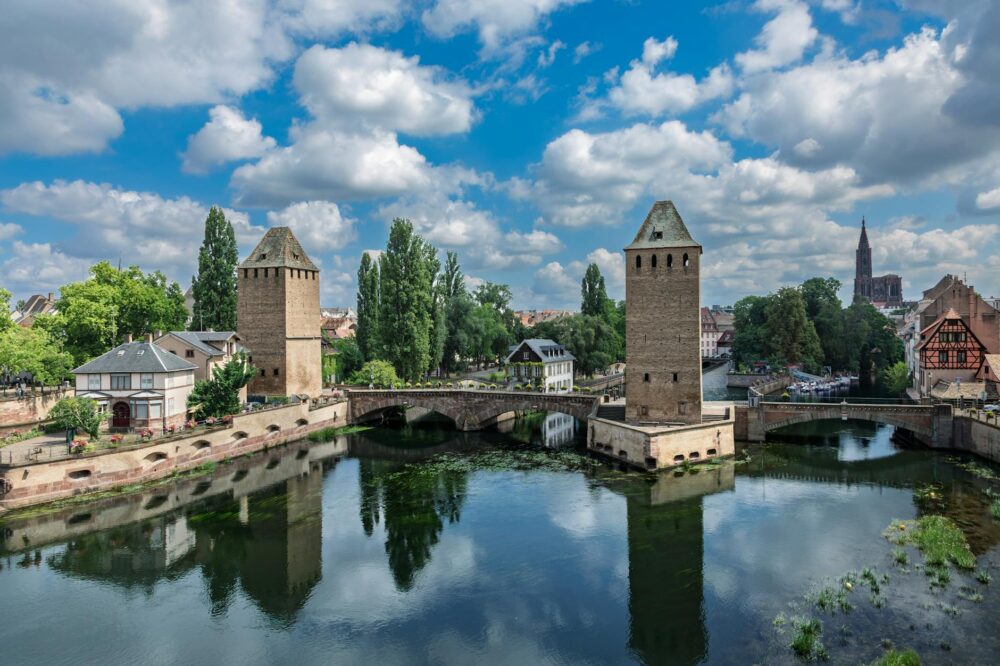
The dam is built on the Ill River, a tributary of the Rhine. It features a series of arches and a massive stone structure that spans the river. The design includes a covered bridge on top, which originally allowed troops to cross the river while also controlling water flow. The dam’s innovative design allowed it to regulate water levels and prevent flooding in the surrounding areas.
Role in the Siege of Strasbourg
During the Franco-Prussian War in 1870, the Vauban Dam played a crucial role in the defense of Strasbourg. The dam’s flood control capabilities were used to create intentional flooding, hindering enemy advances. This strategic use of the dam highlights its importance beyond mere water management.
Purpose of the Vauban Dam
The Vauban Dam serves multiple purposes, both historically and in modern times. Its primary functions include:
- Flood Control: The dam regulates the flow of the Ill River, preventing floods in Strasbourg and nearby areas.
- Defense: Originally, the dam was part of Strasbourg’s fortifications, providing a defensive barrier and a controlled crossing point.
- Water Management: By controlling water levels, the dam helps maintain the ecological balance of the river.
- Tourism: Today, the dam is a popular tourist attraction, offering scenic views and a glimpse into 17th-century engineering.
Key Facts About the Vauban Dam
Here are some important facts about the Vauban Dam:
- Location: Strasbourg, France, on the Ill River.
- Construction Period: 1686–1700.
- Architect: Sébastien Le Prestre de Vauban.
- Length: Approximately 120 meters (394 feet).
- Material: Stone and brick.
- Design: A series of arches with a covered bridge on top.
- Current Use: Flood control and tourism.
- UNESCO Status: Part of the UNESCO World Heritage site “Strasbourg: from the Grande Île to the Neustadt.”
Architectural Significance
The Vauban Dam is a remarkable example of 17th-century military and hydraulic engineering. Its design incorporates both aesthetic and functional elements, making it a unique structure. The covered bridge, known as the “Ponts Couverts,” is a iconic feature that adds to the dam’s charm. The arches are not only visually appealing but also structurally efficient, allowing water to pass through while maintaining stability.
Comparison with Modern Dams
Unlike modern concrete dams, the Vauban Dam relies on traditional materials and construction techniques. Its stone and brick construction has proven durable, withstanding centuries of use. However, its flood control capacity is limited compared to contemporary dams, which can handle much larger volumes of water. Despite this, the Vauban Dam remains a vital part of Strasbourg’s water management system.
Visiting the Vauban Dam
Today, the Vauban Dam is open to the public and offers a unique experience for visitors. Here is what you can expect:
- Scenic Views: The dam provides panoramic views of the Ill River and the surrounding cityscape.
- Walking Paths: Visitors can walk along the top of the dam and explore the covered bridge.
- Historical Exhibits: Informational plaques and displays explain the dam’s history and significance.
- Photography Opportunities: The dam is a popular spot for photographers, especially at sunset.
Environmental Impact
The Vauban Dam has a moderate impact on the local environment. By regulating water flow, it helps prevent flooding, but it also alters the natural river dynamics. The dam creates a reservoir that can affect fish migration and sediment transport. However, efforts have been made to mitigate these effects, such as installing fish ladders to allow fish to bypass the dam.
Conclusion
In summary, the Vauban Dam is a historic and functional structure that has served Strasbourg for over 300 years. From its origins as a defensive fortification to its modern role in flood control and tourism, the dam remains an integral part of the city’s identity. Understanding what is the Vauban Dam involves appreciating its engineering brilliance, historical significance, and ongoing relevance. Whether you are a history enthusiast, an engineering buff, or a traveler, the Vauban Dam is a must-see landmark that embodies the ingenuity of the past.
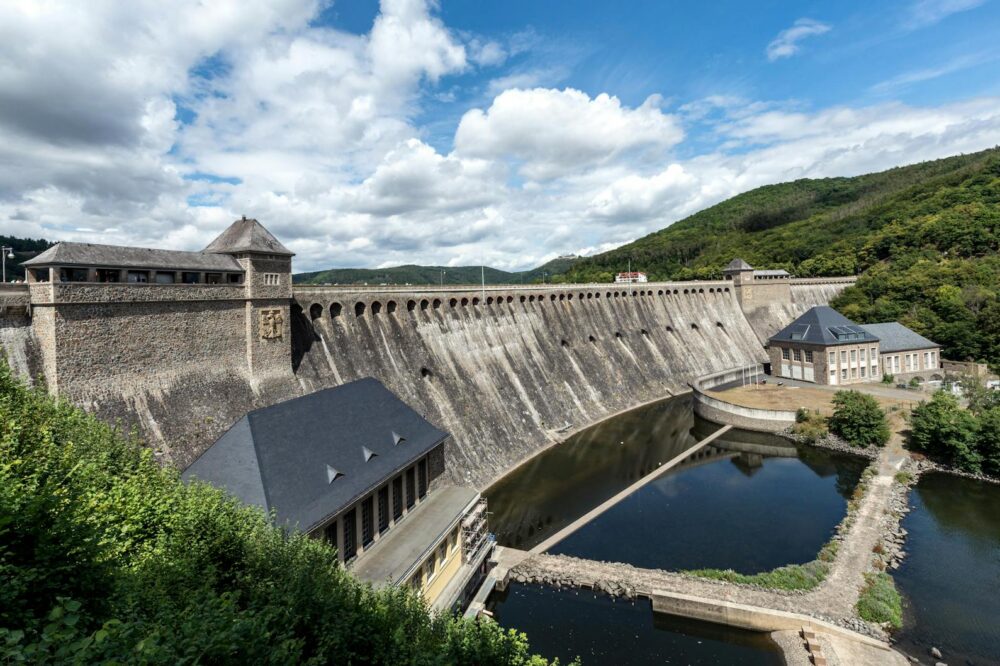
Photo by Wolfgang Weiser on Pexels